
An itch that never seems to stop, with no rash to explain it, can be one of the most frustrating symptoms a person lives with. Brachioradial pruritus causes persistent itching, burning, or prickling along the outer forearms and upper arms, and creams, antihistamines, and dermatology visits often bring little relief because the problem starts in the nerves rather than the skin. Patients from Beverly Hills, Santa Monica, West Hollywood, and across Los Angeles come to our office in the Cedars-Sinai Medical Office Towers looking for a treatment that addresses that nerve source directly.
Dr. Padra Nourparvar, DO, brings a nerve-focused perspective to brachioradial pruritus that most itch treatments miss. He is a board-certified physician who performs ultrasound-guided nerve hydrodissection with PRP and stem cells and treats cervical spine conditions such as pinched nerves and cervical radiculopathy, the same territory where brachioradial pruritus is believed to begin. He earned his medical degree at the New York College of Osteopathic Medicine and completed advanced training at UCLA, UC Irvine, NYU, and Mount Sinai. His research has been recognized with the UCLA Vice Provost Prize for Best Research Article of the Year, and he has more than a decade of experience caring for patients with complex neurological and musculoskeletal conditions.
“Patients with brachioradial pruritus have often been told it is a skin problem, and they have tried everything on the surface. When we look at it as a nerve problem, the conversation about treatment changes.” — Dr. Nourparvar
I had both stem cells and PRP done. I have been suffering from lower back pain for over 12 weeks and it wasn’t getting better. After trying cortisone shots, physical therapy and chiropractic, I found rescue at Dr. Nourparvar’s. He gives you a thorough examination and the stem cell or PRP treatment suggested is for the most comprehensive approach, pursuing the best health benefit.
I highly recommend this doctor.

What Is Brachioradial Pruritus?
Brachioradial pruritus (BRP) is a neuropathic itch, meaning the sensation is generated by irritated or damaged nerves rather than by anything happening in the skin. It typically affects the outer forearm near the elbow, and it may extend to the upper arm, shoulders, or upper back. Symptoms can appear on one arm or both, and the skin usually looks normal apart from marks left by scratching.
Research points to two main contributors that often work together:
- Cervical spine changes: Disc degeneration, bone spurs, or narrowing where nerves exit the neck, most often at the C5 and C6 levels, can irritate the nerves that supply the outer arm.
- Sun exposure: Many patients notice symptoms worsen after prolonged time outdoors or in late summer, and ultraviolet light is thought to sensitize already vulnerable skin nerves.
BRP is most common in middle-aged and older adults, affects women more often than men, and is frequently seen in people with a history of significant sun exposure, which makes it a familiar concern for Southern California patients.

Common Symptoms of Brachioradial Pruritus
People with BRP describe their symptoms in different ways, and many have more than one of the following:
- Persistent itching on the outer forearm: The itch tends to stay in the same location and often feels deep rather than on the surface.
- Burning, stinging, or prickling: Many patients feel nerve-type sensations alongside or instead of itch.
- Relief from cold: Holding an ice pack on the area often brings temporary relief, a pattern so typical it is known as the ice pack sign.
- Worse after sun exposure: Symptoms commonly flare after outdoor activity, driving with the arm in the sun, or during summer months.
- Nighttime flares: Itching can disrupt sleep and lead to scratching during the night.
- Skin damage from scratching: Over time, scratching can cause thickened skin, scabs, or dark patches even though BRP itself does not cause a rash.
- Neck stiffness or arm tingling: Some patients also have neck discomfort, numbness, or tingling that points toward the cervical spine.
Because chronic itch can have many causes, including skin disease, liver or kidney conditions, and medication reactions, a careful evaluation is important before treatment begins. Seek urgent medical care if itching is accompanied by new arm or hand weakness, loss of grip strength, difficulty walking, changes in bowel or bladder control, or neck pain with fever, since these can signal a more serious spinal problem.
How PRP and Stem Cell Therapy May Help Brachioradial Pruritus
Conventional treatment for BRP usually includes sun protection, cooling measures, topical medications such as capsaicin or compounded numbing creams, and oral nerve medications like gabapentin or pregabalin. These approaches help some people, but many patients find relief incomplete or side effects hard to tolerate. Regenerative medicine offers another option by focusing on the irritated nerves themselves.
PRP for Nerve-Related Itch
Platelet-rich plasma (PRP) is a concentrate of growth factors prepared from a small sample of your own blood. When imaging shows that degenerative changes in the neck are irritating the nerves that supply the arm, Dr. Nourparvar may inject PRP in a prolotherapy style, placing it at multiple points along the ligaments and soft tissue on both sides of the cervical spine rather than into the spine itself. The goal is twofold. PRP’s anti-inflammatory effect may calm irritated nerve roots within a few weeks, while its regenerative effect encourages collagen production that strengthens the supporting ligaments over a longer period. When symptoms point to nerve irritation in the arm itself, nerve hydrodissection with PRP may be considered instead.
Stem Cell Therapy for Added Structural Support
For more persistent or longstanding cases, Dr. Nourparvar may add stem cell therapies derived from your own fat or bone marrow, or umbilical sources, to provide additional tissue and structural support for the cervical ligaments. When disc degeneration is a major contributor, regenerative treatment of cervical degenerative disc disease may also be part of the plan.
The use of PRP and stem cells for brachioradial pruritus is investigational. These therapies are not FDA-approved for BRP, published research specific to this condition is limited, and results vary from one patient to the next. PRP for nerve hydrodissection is clinically performed and supported by human studies in other nerve conditions, while stem cell applications for nerve repair are supported largely by early and preclinical research. Dr. Nourparvar will walk you through the current evidence before recommending any treatment.
Brachioradial Pruritus Case Report: PRP for Cervical-Related Itch
A man in his 60s came to Dr. Nourparvar after living with brachioradial pruritus for about four years. He described a burning itch on both arms, worse on the right, that felt like fire ants crawling on his skin. Sun exposure made it worse, he found himself scratching through video calls during the workday, and he relied on ice packs at night to sleep. Treatment with an upper cervical chiropractor and spinal decompression therapy had not brought lasting relief.
His examination showed mild tenderness along the neck at the C2 to C3 and C5 to C6 levels, with full strength in both shoulders and hands and no shooting pain with neck movement. A cervical spine MRI showed multilevel degenerative changes, including severe narrowing of the openings where the nerves exit the spine at C5 to C6 and C6 to C7, the same levels that supply the outer arm where brachioradial pruritus typically appears.
After discussing the off-label and investigational nature of the treatment, Dr. Nourparvar injected PRP under ultrasound guidance in a prolotherapy style along the ligaments and soft tissue on each side of the cervical spine. The procedure was well tolerated with no neurological changes afterward. The patient reported complete resolution of his symptoms after this single treatment.
This outcome is encouraging, and it supports the idea that treating the cervical source of brachioradial pruritus can make a difference. It is still the experience of one patient. Many people need more than one session, some respond partially, and others may not respond at all. Your own results will depend on the cause of your symptoms, how long they have been present, and your overall health.
What to Expect During Brachioradial Pruritus Treatment
Your Evaluation
Your first visit includes a detailed history of your symptoms, sun exposure, neck problems, and previous treatments, along with an examination of your skin, neck, and arm nerve function. Dr. Nourparvar may review or order cervical spine imaging such as an MRI, and he may coordinate with your dermatologist or primary care physician to rule out other causes of chronic itch. Patients traveling from outside Southern California can review our out-of-town patient information to plan their visit.
The Procedure
PRP is prepared from a simple blood draw during the same visit. Because treatment involves several small injections along the neck, a needle-free numbing option is available to make the skin more comfortable. Dr. Nourparvar then uses real-time ultrasound to guide each injection safely into the targeted ligaments and soft tissue. Stem cell treatment, when recommended, follows a similar image-guided approach. Most appointments are completed in the office without general anesthesia.
Recovery and Follow-Up
Mild soreness and stiffness in the neck are common for a few days, and most patients return to normal daily activities quickly. You will be asked to avoid heavy resistance training for one to two weeks, then return to exercise gradually. Some people notice relief within a few weeks as inflammation settles, while the ligament-strengthening effect develops over a longer period and may benefit from additional sessions. Dr. Nourparvar typically reevaluates your response at about one month. Continuing sun protection on the affected arms is still recommended.
Frequently Asked Questions About Brachioradial Pruritus
-
BRP is thought to result from irritation of the nerves that supply the outer arm, most often linked to changes in the cervical spine at the C5 and C6 levels. Sun exposure appears to make symptoms worse in many patients, and the two factors often work together.
-
Most itch creams and antihistamines target skin or allergy-related itch. Because BRP originates in the nerves, those treatments often have limited effect, which is why an approach aimed at the cervical spine, such as PRP prolotherapy, may be considered.
-
No. PRP and stem cell therapy are not FDA-approved for BRP, and their use for this condition is investigational. Dr. Nourparvar explains the available evidence, potential benefits, and risks before treatment.
-
Some patients respond after a single session, while others need a short series. The number depends on how long you have had symptoms, the degree of nerve irritation, and whether cervical spine changes are involved.
-
For many people, yes. Imaging often shows degenerative changes in the neck, and treating the cervical spine can be part of the plan. Learn more about our approach to cervical disc herniation and related neck conditions.
-
In many cases, yes. Dr. Nourparvar can coordinate with your other physicians, and some patients are able to reduce oral nerve medications over time under their prescriber’s guidance.

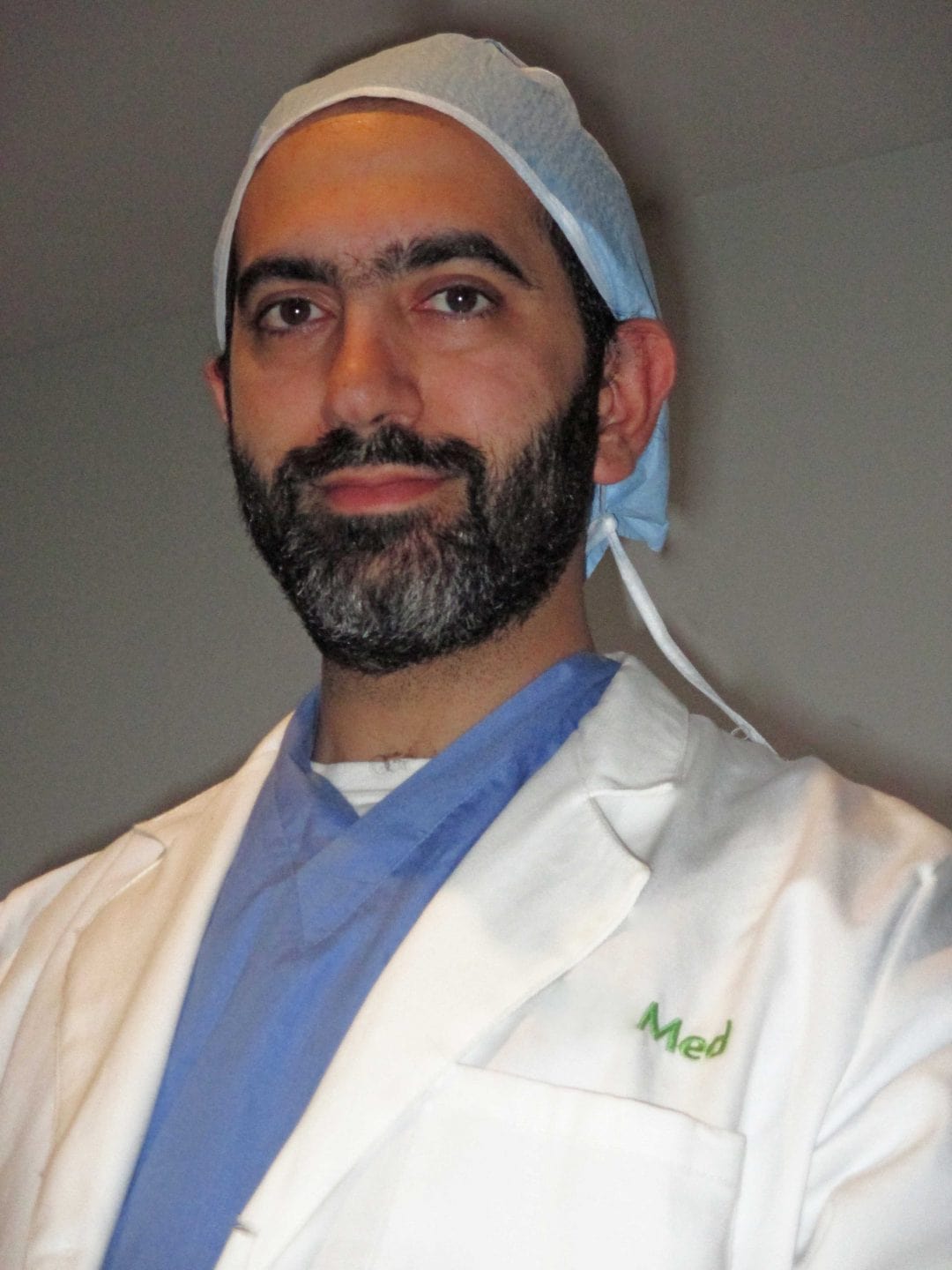
Why Choose Dr. Nourparvar for Brachioradial Pruritus Treatment in Los Angeles
- A Nerve-First Approach: Dr. Nourparvar treats BRP as the neuropathic condition it is, rather than as a skin problem.
- Firsthand Results With BRP: He has treated brachioradial pruritus with PRP in his own practice, including a patient who reported full resolution after one session.
- Ultrasound-Guided Precision: Every injection is guided by real-time imaging for accurate, safe placement along the cervical spine or around affected nerves.
- Experience With Cervical and Peripheral Nerve Conditions: His practice includes cervical radiculopathy, degenerative disc disease, and peripheral nerve entrapment, all closely tied to BRP.
- Full Range of Biologics: PRP, stem cells from several sources, and exosome therapy are available in one practice.
- Academic Training and Research Recognition: His background includes training at UCLA, UC Irvine, NYU, and Mount Sinai and the UCLA Vice Provost Prize for research.
- Coordinated, Patient-Centered Care: He works alongside your dermatologist or primary care physician, and as a speaker of four languages, he makes complex topics easy to understand.
Stem Cell & PRP Institute of L.A.
Premier center for regenerative medicine under the leadership of Dr. Padra Nourparvar, a nationally recognized, double board-certified physician with advanced medical training from UCLA, UC Irvine, NYU, and Mount Sinai, we specialize in cutting-edge stem cell therapies designed to restore function, reduce inflammation, and elevate long-term quality of life.
Dr. Nourparvar has received numerous accolades, including the UCLA Vice Provost Prize for Best Research Article of the Year and the Motif Award for Advancement of Health from The Walt Disney Company. With over a decade of experience treating conditions such as kidney failure, stroke, Parkinson’s disease, and more, he brings a rare combination of technical skill and human compassion to every patient encounter.
Schedule a Brachioradial Pruritus Consultation in Los Angeles
Living with constant itching and burning can wear you down, especially after treatments that only work on the surface. A consultation with Dr. Nourparvar can help clarify what is driving your symptoms and whether PRP, stem cell therapy, or a combined approach makes sense for you. To explore our full range of neurological condition treatments, schedule a consultation with our Los Angeles team today.
Individual results vary. PRP and stem cell therapies are investigational for brachioradial pruritus and are not FDA-approved for this condition. The patient experience described on this page is not a guarantee of similar results. A consultation is required to determine whether treatment is appropriate for you.
Medically reviewed by Padra Nourparvar, DO on
