
A Klinefelter syndrome diagnosis raises one question above all others for most men, whether biological fatherhood is still possible. The answer today is considerably more hopeful than it was a generation ago, though it depends on which path you choose and how clearly you understand the evidence supporting it. Both investigational regenerative approaches and a well-documented surgical option exist, and the difference between them matters enormously when you are planning your next steps.
Care at the Stem Cell & PRP Institute of L.A. is directed by Dr. Padra Nourparvar, DO, a board-certified physician and graduate of the New York College of Osteopathic Medicine with advanced training completed at UCLA, UC Irvine, NYU, Mount Sinai, and Children’s Hospital Los Angeles. Over more than a decade in regenerative medicine he has been recognized with the UCLA Vice Provost Prize for Best Research Article of the Year and the Motif Award for Advancement of Health sponsored by The Walt Disney Company, and he has been an invited speaker at regenerative medicine conferences. That research background shapes how these conversations are handled, with published evidence separated clearly from early-stage science rather than blended together.
As an athlete from someone who skateboards on a pro level, this is my go to for health and wellness. Stem cells are the future and leading in regenerative medicine, I’ve done injections in both knees, and I will testify it ACTUALLY WORKS. The staff is extremely accommodating and nice, the information they provide is very knowledgeable, I highly recommend them to all my friends with pain issues or wear and tear issues from overall aging. Before going under the knife give stem cell regenerative medicine a try first, you will have no regrets.

A Research-First Philosophy for Complex Fertility Cases
Men arriving with a 47,XXY karyotype have often already been told that little can be done. The clinical reality is more nuanced, and it deserves to be presented honestly. Regenerative therapies for non-obstructive azoospermia are an active and genuinely promising research area, but the human data does not yet exist. Testicular sperm extraction paired with ICSI, by contrast, has decades of outcomes published specifically in Klinefelter patients.
Consultations here are built around that distinction. Every option is presented with its actual evidence base attached, including what remains unknown, so that the decision you reach belongs to you rather than to a treatment menu.
“The most useful thing I can offer a man with Klinefelter syndrome is an accurate map. Some of these therapies are supported by animal research and nothing more, and saying so plainly is what allows a patient to weigh them properly against an option with published human outcomes.”
— Dr. Padra Nourparvar, DO
What Klinefelter Syndrome Means for Male Fertility
Klinefelter syndrome describes the presence of an additional X chromosome in males, most commonly the 47,XXY karyotype. It affects roughly 1 in 500 to 600 males, which makes it the most common chromosomal cause of male infertility.
The extra chromosome progressively affects testicular function, and most men with the condition develop azoospermia, meaning no sperm are present in the ejaculate. Testosterone production is frequently reduced as well, which is why many patients are first evaluated for low testosterone, delayed puberty, or reduced bone density before fertility becomes the focus. Importantly, azoospermia does not always mean a complete absence of sperm production within the testis itself, and that distinction is what makes surgical retrieval viable for a meaningful proportion of patients.

Why Men With Klinefelter Syndrome Consider Regenerative Therapy
Patients researching regenerative injections for fertility usually arrive with a specific set of concerns, and each one deserves a direct answer during consultation:
• Avoiding Surgery: Many men want to know whether an injection-based approach could restore sperm production before considering an operating room.
• Preserving Future Options: Patients frequently ask whether trying a regenerative protocol first could compromise a later surgical retrieval attempt.
• Addressing Testosterone: Low testosterone and reduced bone density often coexist with infertility, raising questions about treating both concerns together.
• Understanding Real Odds: Couples want honest probability figures rather than encouragement, particularly when planning around a partner’s own fertility timeline.
• Weighing Cost Against Evidence: Investigational therapies are not covered by insurance, and patients reasonably ask what they are purchasing.
Investigational Regenerative Therapies for Azoospermia
The therapies described below are experimental for male infertility in Klinefelter syndrome. Encouraging results have been reported in animal models and in laboratory research, but no completed clinical trial has evaluated any of them in men with non-obstructive azoospermia, and none has been studied specifically in Klinefelter patients.
Platelet-Rich Plasma for Testicular Regeneration
PRP is prepared from a small sample of your own blood, processed to concentrate platelets and the growth factors they carry. It can be delivered by direct testicular injection, generally around 1 cc per testicle with bilateral treatment preferred, or intravenously for systemic distribution.
A 2025 systematic review reported that PRP shows promise in animal models, with improvements observed in sperm parameters, hormonal balance, and testicular tissue restoration. In rat models of chemotherapy-induced azoospermia, intratesticular PRP improved testicular size and weight, altered expression of genes governing spermatogenesis, and raised antioxidant enzyme levels. A separate mouse study using a hyperthermia-induced model found that scrotal PRP injection restarted spermatogenesis and increased testosterone production. A 2025 narrative review confirmed that no clinical trial has been completed for the treatment of non-obstructive azoospermia in humans.
Mesenchymal Stem Cell Therapy
Mesenchymal stem cells are undifferentiated cells capable of becoming several different cell types while releasing signals that support tissue repair. Delivery follows the same two routes, direct testicular injection of roughly 150 to 300 mg or one to two vials per testicle, or intravenous administration. You can review the broader category on our stem cell therapies page.
A 2021 systematic review found that mesenchymal stem cells drawn from various tissue sources were successfully differentiated into germ cells in laboratory conditions and produced therapeutic effects in animal models of non-obstructive azoospermia. Research in busulfan-treated azoospermic rats showed that adipose-derived cells improved spermatogenesis recovery across the majority of seminiferous tubules. A 2025 systematic review reported improvements in germ cell differentiation, testicular tissue regeneration, sperm quality measures, and hormonal levels in animal models, apparently working through several mechanisms at once, including germ cell differentiation, improved antioxidant capacity, reduced inflammation, limited apoptosis, and restored hormone secretion. No human clinical trial has been completed.
Exosome Therapy
Exosomes are small vesicles released by cells, carrying proteins, growth signals, and genetic material that may support tissue regeneration. They represent the newest branch of regenerative research and are typically dosed at roughly 180 to 600 billion particles per testicle, or given intravenously.
A 2024 study comparing exosomes directly against PRP in busulfan-treated azoospermic rats found adipose-derived mesenchymal stem cell exosomes more effective at improving non-obstructive azoospermia. Both treatments increased testicular size and weight, while the exosome group showed greater gains in testosterone, antioxidant enzyme activity, sperm motility, and key fertility marker proteins. A 2026 study using sulforaphane-loaded exosomes in chemotherapy-induced azoospermic rats reported improvements in sperm count, motility, and morphology alongside full restoration of germ cell marker expression. A 2026 review concluded that mesenchymal stem cell-derived exosomes consistently outperformed conventional stem cell therapy across multiple male reproductive disorders while offering better safety and scalability. As with PRP and stem cells, no published human trials exist in any non-obstructive azoospermia population.
Combination Protocols
Because these agents act through different mechanisms, they are sometimes combined:
• PRP With Exosomes: Powder-form exosomes can be added to PRP without increasing the injected volume.
• PRP With Stem Cells: Growth factors within PRP may improve the viability and activity of transplanted stem cells.
• Triple Combination: All three can be delivered together within the same volume constraints.
The rationale for combining them is drawn from the same animal literature described above, and the added benefit has not been demonstrated in humans.

Delivery Routes and Volume Limits
Choosing between direct injection and intravenous delivery involves a genuine tradeoff, and our delivery methods page covers the principles in more detail:
• Direct Testicular Injection: Achieves roughly 200 times higher concentration within the testes than intravenous delivery, with volume tightly restricted.
• Intravenous Delivery: Distributes systemically and may support other concerns such as bone density, at lower testicular concentration.
Maximum safe injection volume is approximately 1 cc per testicle, about 10 percent of average testicular volume. That ceiling reflects compartment syndrome physiology and volume-dependent tissue damage, with animal data showing that volumes near 10 percent are reasonably well tolerated while volumes at or above 30 percent cause significant harm. Because of this limit, protocols are typically staged across multiple sessions.
Testicular Sperm Extraction With ICSI as the Standard of Care
The established fertility treatment for Klinefelter syndrome with azoospermia is testicular sperm extraction, most often micro-TESE, combined with intracytoplasmic sperm injection. Unlike the therapies above, this pathway carries decades of published evidence in Klinefelter patients specifically.
The sequence is straightforward. Testicular tissue is surgically sampled, with micro-TESE using an operating microscope to locate the regions most likely to contain sperm. Any sperm recovered are used for ICSI, in which a single sperm is injected directly into an egg. Resulting embryos are then transferred to the partner’s uterus.
Reported outcomes from a 2017 meta-analysis of 1,248 patients include a sperm retrieval rate of 40 to 50 percent, a live birth rate of 43 to 45 percent when sperm are successfully retrieved, and an overall live birth rate of roughly 10 to 11 percent per patient once both stages are accounted for. A 2026 study found that among Klinefelter patients with successful retrieval, fertilization, cleavage, blastulation, and clinical pregnancy rates were comparable to non-Klinefelter populations undergoing ICSI. Individual results vary, and no outcome can be guaranteed.
Timing, Testosterone, and Factors That Predict Success
One of the more reassuring findings in recent literature concerns timing. A 2025 systematic review of 2,815 Klinefelter patients found no significant difference in retrieval rates between adolescents aged 15 to 22 and adults aged 23 to 43, and a 2022 French prospective study reached the same conclusion. Retrieval may become less successful after age 40, though that relationship did not reach statistical significance.
Several markers appear to correlate with better retrieval outcomes:
• Higher Testosterone: A 2025 multicenter study of 383 patients found higher preoperative testosterone among men with successful retrieval.
• Favorable Histology: Hypospermatogenesis predicts better results, while Sertoli cell-only patterns predict lower success.
• Hormonal Markers: Higher anti-Müllerian hormone and lower FSH levels are both associated with improved odds.
If you are considering testosterone replacement for low testosterone or bone density concerns, sequencing matters. Guidelines recommend completing fertility preservation attempts first, and if therapy has already begun, stopping it for at least six months before any retrieval attempt.
“Testosterone therapy and fertility planning pull in opposite directions, so the order in which you do things can change the outcome. That conversation belongs at the beginning of treatment, not after.”
— Dr. Padra Nourparvar, DO

Comparing Your Two Pathways
| Factor | Investigational Regenerative Therapy | Micro-TESE With ICSI |
| Evidence base | Animal studies only, no human trials in Klinefelter | Decades of data in thousands of Klinefelter patients |
| Reported success | Unknown in humans | 40 to 50 percent retrieval, 43 to 45 percent live birth if retrieved |
| Objective | Restore natural sperm production | Surgically recover existing sperm |
| Approach | Injection based | Surgical procedure |
| Guideline status | Not endorsed by medical guidelines | Recommended standard of care |

What to Expect During Treatment
Regenerative sessions are performed in office and take a single appointment. Ultrasound guidance is used for accurate needle placement, and several comfort measures are available, including cold spray and vibration, a needle-free anesthesia device for surface numbing, and optional nasal benzodiazepine sedation for patients who prefer it.
Risks are generally modest and include bleeding at the injection site, transient pressure or discomfort from volume expansion, temporary soreness, and infection, which is rare. Because of the per-session volume ceiling, more than one visit is usually planned. The optimal number and spacing of sessions has not been established in clinical research.
Frequently Asked Questions About Klinefelter Syndrome Fertility Treatment
-
Yes, and doing so does not remove surgical retrieval as a later option. Keep in mind that effectiveness in Klinefelter syndrome is unknown, so you may still need micro-TESE afterward.
-
Multiple sessions are typically planned because of the volume limit per injection, though the ideal number and timing have not been established by clinical research.
-
Possibly. Stimulating testicular tissue may support natural testosterone production, but this has not been demonstrated in human trials.
-
Current guidance recommends stopping for at least six months before any fertility treatment attempt, since prior replacement may reduce retrieval success.
-
Published data shows no meaningful difference in retrieval rates between the late teens and the early forties, which means retrieval can generally be delayed safely until you are ready.
-
No. Investigational regenerative treatments are not covered, and transparent pricing is provided during consultation.

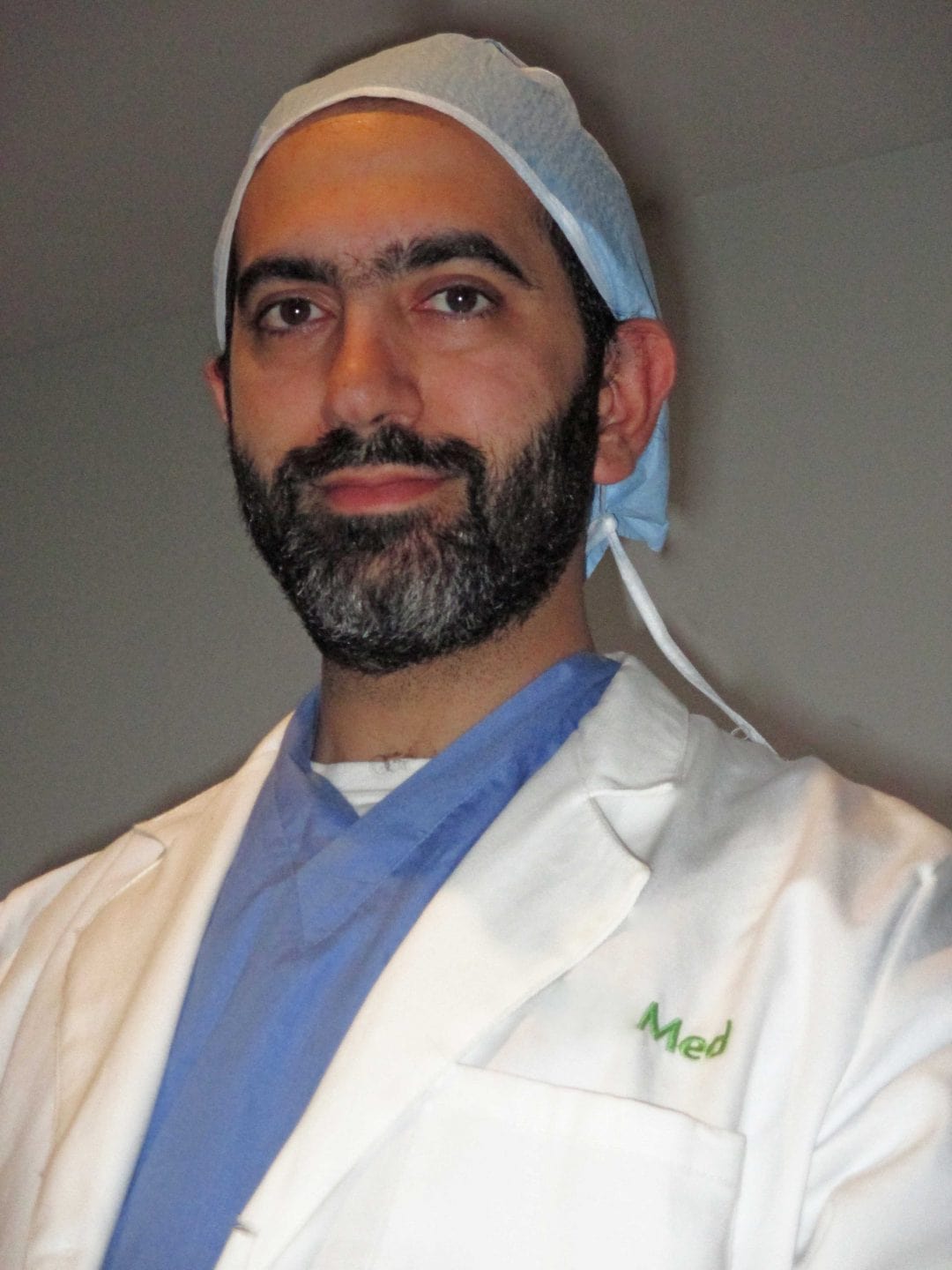
Why Choose Dr. Nourparvar for Klinefelter Fertility Care
- Research-Grounded Practice: Award-winning published research background informs how evidence is weighed and presented.
- Advanced Institutional Training: Postgraduate training completed at UCLA, UC Irvine, NYU, Mount Sinai, and CHLA.
- Full Regenerative Toolkit: PRP, mesenchymal stem cell, and exosome protocols are all available in a single practice.
- Transparent Evidence Standards: Investigational options are clearly separated from treatments with published human outcomes.
- Precision Delivery Technique: Ultrasound guidance and comfort-focused protocols support accurate, tolerable injections.
- Convenient Westside Location: Care is provided within the Cedars Sinai Medical Office Towers, serving Beverly Hills, Westwood, Santa Monica, and Brentwood.
“Every man I see with this diagnosis has been handed a label. My job is to replace it with a plan, whatever that plan turns out to be.” — Dr. Padra Nourparvar, DO
Stem Cell & PRP Institute of L.A.
Premier center for regenerative medicine under the leadership of Dr. Padra Nourparvar, a nationally recognized, double board-certified physician with advanced medical training from UCLA, UC Irvine, NYU, and Mount Sinai, we specialize in cutting-edge stem cell therapies designed to restore function, reduce inflammation, and elevate long-term quality of life.
Dr. Nourparvar has received numerous accolades, including the UCLA Vice Provost Prize for Best Research Article of the Year and the Motif Award for Advancement of Health from The Walt Disney Company. With over a decade of experience treating conditions such as kidney failure, stroke, Parkinson’s disease, and more, he brings a rare combination of technical skill and human compassion to every patient encounter.
Discuss Your Fertility Options in Los Angeles
Deciding between an investigational approach and a documented surgical pathway is easier once the evidence behind each is laid out clearly and matched to your own hormone levels, history, and timeline. Bringing prior records from endocrinology, urology, or genetics allows that conversation to start with real data rather than generalities, and it gives you and your partner something concrete to weigh together. To review your situation with Dr. Padra Nourparvar at the Stem Cell & PRP Institute of L.A., schedule a confidential consultation and take the next step toward a plan built around your goals.
References
- Cakiroglu Y, Gudelci T, Tiras B. Intratesticular autologous platelet-rich plasma injection in couples with nonobstructive azoospermia: a narrative review. Fertility and Sterility. 2025. doi:10.1016/j.fertnstert.2025.04.011
- Moradian SA, Amirkhani Z, Movahedin M, et al. Platelet-rich plasma (PRP) and the future of male fertility: a path forward for personalized and regenerative therapies. Stem Cell Research & Therapy. 2025;16(1):486. doi:10.1186/s13287-025-04602-0
- Sheikholeslami A, Davoodi Asl F, Fazaeli H, et al. Exosomes of mesenchymal stem cells and PRP restore spermatogenesis in the rat model of non-obstructive azoospermia. Reproduction. 2024;168(3):e230474. doi:10.1530/REP-23-0474
- Zhankina R, Baghban N, Askarov M, et al. Mesenchymal stromal/stem cells and their exosomes for restoration of spermatogenesis in non-obstructive azoospermia: a systematic review. Stem Cell Research & Therapy. 2021;12(1):229. doi:10.1186/s13287-021-02295-9
- Ahmadian S, Fajri M, Roelen BAJ, et al. Targeted activation of Nrf2 via sulforaphane-loaded exosomes attenuated azoospermic condition in the rat model. Scientific Reports. 2026;16(1):9752. doi:10.1038/s41598-026-40709-x
- Mahrooghi D, Abdi M, Soleimanzadeh F, et al. Nanocarriers of fertility: mesenchymal stem cell-derived exosomes in male reproductive repair. Cell Biology International. 2026;50(1):e70114. doi:10.1002/cbin.70114
- Atar I, Barda S, Kalma Y, et al. Predictive factors shaping fertility potential and reproductive outcomes in men with Klinefelter syndrome. Asian Journal of Andrology. 2026. doi:10.4103/aja202586
- Raffo M, Boeri L, Iafrate M, et al. Serum total testosterone and testicular histology help predicting positive sperm retrieval in non-mosaic Klinefelter patients undergoing testicular sperm extraction. Fertility and Sterility. 2025. doi:10.1016/j.fertnstert.2025.07.040
- Corona G, Pizzocaro A, Lanfranco F, et al. Sperm recovery and ICSI outcomes in Klinefelter syndrome: a systematic review and meta-analysis. Human Reproduction Update. 2017;23(3):265-275. doi:10.1093/humupd/dmx008
- Momtazi-Mar L, Naelitz BD, Mucci A, Cannarella R, Lundy SD. Surgical sperm retrieval in patients with non-mosaic Klinefelter syndrome (47,XXY) may be safely delayed until adulthood: a systematic review and meta-analysis. Fertility and Sterility. 2025. doi:10.1016/j.fertnstert.2025.07.021
- Renault L, Labrune E, Giscard d’Estaing S, et al. Delaying testicular sperm extraction in 47,XXY Klinefelter patients does not impair the sperm retrieval rate, and AMH levels are higher when TESE is positive. Human Reproduction. 2022;37(11):2518-2531. doi:10.1093/humrep/deac203
- Modanlou M, Mahdipour M, Mobarak H. Effectiveness of stem cell therapy for male infertility restoration: a systematic review. Journal of Investigative Medicine. 2025;73(2):229-252. doi:10.1177/10815589241305317
- Tian X, Zhang J, Tang X, et al. Research progress on the mechanism underlying the application of mesenchymal stem cells in the treatment of male infertility. Frontiers in Endocrinology. 2025;16:1671247. doi:10.3389/fendo.2025.1671247
Medical Disclaimer
The regenerative therapies described on this page, including platelet-rich plasma, stem cell therapy, and exosome therapy, are not approved by the FDA for the treatment of male infertility and are considered investigational. Their safety and effectiveness in Klinefelter syndrome have not been established in human clinical trials. This content is provided for educational purposes only and does not constitute medical advice. No outcome is guaranteed, and results vary by patient. Please consult a qualified physician to determine which options may be appropriate for your individual circumstances.
Last updated: July 2026
Medically reviewed by Padra Nourparvar, DO on
