Healing Herniated Discs and Back Pain with Stem Cell, PRP & ACS Therapy
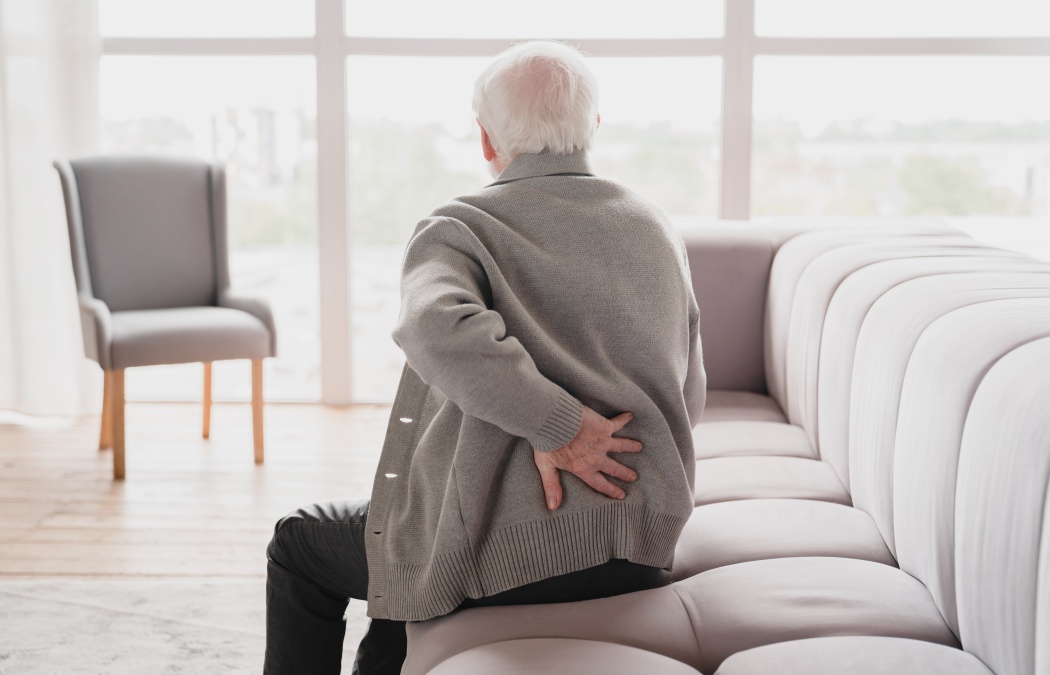
Back and spine pain is one of the most prevalent medical issues globally, affecting nearly 619 million people worldwide, with projections estimating over 843 million cases by 2050 [1]. Among the leading causes of spine-related pain is a herniated disc. Traditional treatments often fall short of addressing the root cause and frequently lead to surgical intervention. At our clinic, led by Dr. Nourparvar, we specialize in advanced non-surgical regenerative treatments that can help patients heal naturally and avoid surgery.
Understanding Herniated Discs and Spine/Back Pain
A herniated disc occurs when the soft center of a spinal disc pushes through a crack in the tougher exterior casing. This displacement can irritate nearby nerves, leading to pain, numbness, or weakness in an arm or leg, depending on the location of the herniation.
Common Symptoms:
- Localized pain in the lower back (lumbar spine), neck (cervical spine), or mid-back (thoracic spine)
- Radiating pain: Pain that travels down the arms or legs (commonly known as sciatica when affecting the legs)
- Numbness or tingling in the extremities, such as fingers, hands, feet, or toes
- Muscle weakness, especially in the limbs affected by nerve compression
- Loss of reflexes in the knees or ankles
- Pain that worsens with movement, coughing, sneezing, or prolonged sitting/standing
- Difficulty walking, standing upright, or maintaining balance
- Bladder or bowel dysfunction (in severe cases like cauda equina syndrome, which is a medical emergency)
It is important to note that some people with herniated discs may experience no symptoms at all, and the condition may be discovered incidentally during imaging for another issue.
Risk Factors:
- Aging: Natural degeneration of discs occurs with age, reducing their water content and making them more prone to herniation
- Sedentary lifestyle: Weak core and back muscles can lead to poor spinal support
- Occupational hazards: Jobs requiring repetitive lifting, bending, or twisting can place stress on the spine
- Obesity: Excess body weight increases strain on the lower back
- Poor posture: Long hours of improper sitting, especially at desks or while driving, can affect spinal alignment
- Smoking: Nicotine decreases oxygen supply to spinal discs, accelerating degeneration
- Genetic predisposition: Some individuals may inherit a tendency for disc degeneration
- Trauma or sudden injury: Falls, car accidents, or sports-related injuries can cause acute disc herniation
- Improper lifting techniques: Lifting heavy objects without proper form can cause sudden disc rupture
- Previous spine issues: History of back injuries or spinal abnormalities may increase the likelihood of disc herniation
Understanding these symptoms and risk factors helps guide diagnosis and highlights the importance of preventive measures and timely treatment.
Conventional Treatments: Limitations and Surgery
Standard treatments for herniated discs and back pain typically follow a tiered approach:
1. Conservative Management
- Rest and activity modification: Often the first line of advice. Patients are told to avoid movements that worsen the pain.
- Physical therapy: Aimed at strengthening supporting muscles, improving posture, and increasing flexibility.
- Medications: Over-the-counter NSAIDs (like ibuprofen or naproxen) and prescription pain relievers or muscle relaxants are used to reduce inflammation and pain.
Limitations:
- These methods often address symptoms rather than the underlying disc injury.
- Pain may recur or persist even with months of physical therapy.
- Long-term use of NSAIDs can cause gastrointestinal issues, kidney problems, or cardiovascular risks.
2. Epidural Steroid Injections
- Administered to reduce inflammation around the affected nerve root.
- May provide temporary relief for weeks to months.
Limitations:
- Not curative—intended for short-term pain management.
- Effects may diminish over time, and repeated injections can carry risks including nerve damage, hormonal imbalances, and tissue weakness.
3. Surgery
- Discectomy: Removal of the herniated portion of the disc.
- Spinal fusion: Used in more severe cases, where two vertebrae are permanently fused together.
Limitations:
- Surgical risks include infection, bleeding, and nerve injury.
- Fusion procedures can lead to increased stress and degeneration in adjacent discs.
- Recovery may take months, and success rates can vary.
- Some patients experience no long-term relief, requiring revision surgeries.
In summary, conventional treatments often manage symptoms but rarely reverse disc degeneration or restore tissue health. Many patients seek alternative solutions after exhausting these options without sustainable relief.
A Regenerative Approach: Stem Cell, PRP & Autologous Conditioned Serum (*Regenokine/*Orthokine) Therapy
Dr. Nourparvar’s clinic offers a comprehensive non-surgical alternative using regenerative therapies:
1. Stem Cell Therapy
Stem cells are undifferentiated cells capable of becoming various tissue types and play a pivotal role in repair and regeneration.
Sources Used in Our Clinic:
- Bone Marrow Aspiration
- Fat Harvesting (Nano-fat, Stromal Vascular Fraction)
- Umbilical Cord Stem Cells
How They Work: Stem cells, when precisely injected into the injured disc or spine structures, promote healing by:
- Reducing inflammation
- Stimulating repair of disc tissue
- Regenerating surrounding supportive structures
Delivery Methods Include:
- Ultrasound- and X-ray-guided precision injections
- Intravenous and intrathecal administration (for systemic and central nervous system targeting)
2. Platelet-Rich Plasma (PRP) Therapy
PRP involves isolating a patient’s own platelets and growth factors from a blood sample, then injecting them into the injured area.
Mechanism of Action:
- Enhances tissue repair
- Promotes collagen formation
- Decreases inflammation
PRP for Back Pain: Clinical trials have shown significant improvement in patients with discogenic back pain after PRP injections [2].
3. Autologous Conditioned Serum (ACS) – Regenokine/Orthokine
Often referred to by brand names such as Regenokine or Orthokine, ACS is derived from the patient’s own blood.
Process:
- Blood is drawn and incubated with medical-grade glass beads
- The serum is separated and injected into affected areas
Mode of Action:
- Rich in IL-1 receptor antagonists, it helps block inflammatory cytokines
- Reduces pain and inflammation
Noteworthy: This therapy has been used successfully by professional athletes, including NBA and NFL players, and even celebrity patients seeking natural healing without downtime.
Why Choose Dr. Nourparvar?
Dr. Nourparvar brings over 10 years of experience in regenerative medicine and is recognized for his expertise in non-surgical orthopedic care and pain management. His academic and clinical background include being a UCLA Graduate, receiving a medical degree from New York College of Osteopathic Medicine, having advanced training at: UCLA, UC Irvine, Mount Sinai, NYU, Children’s Hospital Los Angeles (CHLA), NYU Langone’s Rusk Rehabilitation (top PM&R institution in the country), NYC Health + Hospitals/Bellevue, and Montefiore and Albert Einstein College of Medicine.
Unique Expertise:
- Qualified Medical Evaluator (QME) for work-related injuries
- Extensive training in musculoskeletal, osteopathic, and orthopedic evaluation and treatment
- Conducts comprehensive hands-on evaluations, integrating physical assessments and imaging to identify the root cause of pain
- Avoids unnecessary surgeries by distinguishing between true pathology and incidental imaging findings
Technology Advantage:
Our clinic uses the latest ultrasound technology, including:
- Needle Out Of Plane presets for tight anatomical spaces
- Dual-view guidance
- Technology for high-resolution imaging
- Handheld, portable ultrasound devices for point-of-care scanning
- Integrated AI tools for enhanced diagnostic precision
Frequently Asked Questions (FAQ)
-
Yes, when performed by an experienced and properly trained physician, stem cell therapy is considered safe. We only use FDA-compliant protocols and source cells responsibly.
-
Some patients begin to notice improvement within a few weeks, while others may take a few months as tissue regeneration is a gradual process.
-
In many cases, yes. Patients who are not good surgical candidates or wish to avoid surgery often find significant relief and improvement with regenerative medicine.
-
Most regenerative treatments like stem cell and PRP therapies are not yet covered by insurance. We offer transparent pricing and financing options.
-
While both use your own blood, ACS is incubated to produce anti-inflammatory proteins like IL-1 receptor antagonists, which actively block pain and inflammation pathways.
-
We perform a comprehensive evaluation including a detailed physical exam, history, and imaging review to determine if you’re a suitable candidate for regenerative therapy- this would be performed during a consultation.
Final Thoughts: A Safer, Smarter Solution for Spine and Back Pain
If you’ve been told you need back surgery—or if traditional treatments have failed to relieve your herniated disc pain—there are proven, advanced regenerative options available. With precise ultrasound-guided injections, a holistic evaluation approach, and cutting-edge regenerative therapies, Dr. Nourparvar offers a non-surgical path to healing.
Schedule a consultation today to find out if you’re a candidate for Stem Cell, PRP, and/or Autologous Conditioned Serum therapy.
📞 Call us today at (310) 361-5480 to book your appointment or click here to schedule a consultation.
Sources: [1] Global Burden of Disease Study, Lancet Musculoskeletal, 2023
[2] Tuakli-Wosornu YA, et al. “Lumbar intradiskal platelet-rich plasma (PRP) injection: a prospective, double-blind, randomized controlled study.” Spine Journal, 2016.
https://www.mayoclinic.org/pinched-nerve-due-to-herniated-disk/img-20006135
*Trademark Disclaimer
Stem Cell & PRP Institute of L.A. and Dr. Nourparvar are not affiliated with, endorsed by, or sponsored by Orthogen AG, Regenokine®, or Orthokine®.
Regenokine® and Orthokine® are registered trademarks of Orthogen AG. Any references to these therapies on our website are for informational purposes only and do not imply any partnership, ownership, or official association with the trademark holders.
Our clinic offers regenerative medicine treatments that may be similar in concept, such as autologous serum or cytokine-based therapies, but we do not claim to offer Regenokine® or Orthokine® specifically.
Medically reviewed by Padra Nourparvar, DO on
Posted on behalf of
Cedars Sinai Medical Office Towers
8631 West 3rd Street, #545E
Los Angeles, CA 90048
Phone: (310) 361-5480
Mon – Thu: 8:30am – 6:00pm
Friday: 8:30am – 4:30pm