
The Autism Diet in Los Angeles
The autistic spectrum disorders (ASDs) affect children in a manner that disrupts their abilities to communicate and interact with others. A gluten-free, casein-free, soy-free (GFCFSF) diet is thought to reduce the symptoms of an autism spectrum disorder in children. The term “diet” can be misleading—this is truly a lifestyle change. It’s about viewing food as fuel for both the body and the brain. Once you understand how gluten, casein, and soy can affect some individuals, the importance of this approach becomes clear. Although gluten-free, casein-free, soy-free (GFCFSF) diets are commonly recommended for autism, little research has been done on them. As a consequence, many parents wonder whether this diet is actually effective in reducing symptoms in their children. It is also believed that children with autism prefer bland food, such as white bread, so they limit their own intake. The gluten-free, casein-free, soy-free diet, often referred to as the GFCFSF diet, is one of various alternative treatments for children with autism. This particular diet involves a strict elimination of all foods that contain gluten—found in items like wheat, barley, and rye—as well as casein, which is present in milk and dairy products. In addition, soy products which are foods and ingredients made from soybeans, a legume commonly used in a variety of processed and whole food items are also eliminated. By removing these from a child’s diet, parents hope to improve overall well-being and behavior.
Many parents of children with autism suspect that their kids may be allergic or particularly sensitive to certain foods. Some parents even seek allergy tests to find out for sure. However, even if tests come back negative, a lot of these parents still decide to implement the gluten-free, casein-free, soy-free diet. They often notice some positive changes in their kids’ speech and behavior.
The rationale behind a gluten-free, casein-free, soy-free diet stems from the idea that children on the autism spectrum may react differently to gluten, casein, and soy, which are found in many common foods. The theory suggests that when compared to others, their bodies process the peptides and proteins in these substances in a unique way. This altered processing might intensify some autistic symptoms. Certain folks believe that the brain perceives these proteins as false opiate-like substances, which can lead to specific behaviors in the child. By cutting out gluten, casein, and soy, the hope is to lessen these symptoms and enhance social interactions, cognitive abilities, and speech. There is some scientific basis for considering a gluten-free, casein-free, soy-free (GFCFSF) diet, particularly for individuals with autism. Research indicates that some individuals exhibiting autism symptoms have abnormal peptide levels in their bodily fluids. However, medical research has not conclusively supported the effectiveness of a GFCFSF diet in treating autism.
Implementing a GFCFSF diet can be quite challenging, especially when it comes to eliminating all sources of gluten, casein, and soy, making it difficult to conduct randomized clinical trials involving children.
What is Gluten?
Gluten is a combination of proteins present in the seeds of various grains including barley, rye, and wheat. The two main proteins in gluten are gliadin and glutenin. Gliadin is responsible for most of the negative health effects associated with gluten. Many foods contain gluten, which provides structure and binding qualities in baked goods. When flour is mixed with water, gluten forms a sticky network that gives dough its elasticity and ability to rise. This is why gluten is essential in baking — it helps create the chewy texture in bread and pasta. While avoiding gluten can be challenging, many natural food stores have dedicated sections for gluten-free products. It is essential to check nutrition labels since some additives may contain gluten.
When following a gluten-free diet, most bread and grain products are restricted. Therefore, ensuring that a child or individual receives adequate fiber, vitamins, and minerals is crucial. Supplementation can serve as a valuable resource to compensate for lost nutrients when gluten-containing foods are eliminated.
What is Casein?
Casein is a protein found in dairy products as well as other foods containing dairy or lactose. Even products labeled as dairy-free or lactose-free can contain casein. It’s particularly important to read labels carefully since many soy and imitation dairy products may still include casein when adhering to a strict casein-free diet.
The GFCFSF diet restricts dairy products, so it’s vital to ensure that the child’s diet includes alternative sources of calcium and vitamin D, both crucial for maintaining strong bones and teeth. Consulting with your child’s healthcare provider about fortified foods and/or supplementation can help prevent any potential nutritional deficiencies.
Why Soy?
Soy has a protein structure that closely resembles that of gluten and casein, which means it may trigger similar reactions in sensitive individuals. Additionally, since the majority of soy on the market is genetically modified, it is generally recommended to avoid it. Soy is not a suitable replacement for casein and should not be used as a substitute in a gluten- and casein-free diet.
Stem Cell Therapy and the GFCFSF Diet: A Holistic Approach to Supporting Children with Autism
Autism Spectrum Disorder (ASD) affects millions of children worldwide, often impacting communication, social interaction, and sensory processing. While behavioral therapies and special education remain foundational, many families are exploring integrative approaches that support the root causes of autism-related challenges—one of the most promising being Mesenchymal Stem Cell (MSC) therapy, combined with a GFCFSF diet (gluten-free, casein-free, soy-free).
What Are Mesenchymal Stem Cells?
Mesenchymal stem cells (MSCs) are a type of adult stem cell known for their powerful anti-inflammatory, immunomodulatory, and regenerative properties. These cells can be sourced from bone marrow, umbilical cord tissue, or adipose (fat) tissue. In the context of autism, MSCs are being studied for their ability to:
- Reduce neuroinflammation
- Modulate immune system overactivity
- Enhance neural connectivity and repair
Research and case studies suggest that children treated with MSCs may experience improvements in language, eye contact, emotional regulation, and sensory responses.
Why Combine It With a GFCFSF Diet?
The GFCFSF diet eliminates gluten (from wheat), casein (from dairy), and soy—three proteins that are known to contribute to inflammation, leaky gut, and behavioral symptoms in many children with autism. These foods can disrupt the gut-brain axis, a key communication link between the digestive and nervous systems. By removing these triggers, the body is in a better position to heal.
When combined with stem cell therapy, a GFCFSF diet may help:
- Lower systemic inflammation
- Improve gut health and nutrient absorption
- Enhance the overall effectiveness of stem cell treatment
Many families find that the GFCFSF diet not only helps children transition more smoothly into therapy but also supports long-term improvements in behavior, digestion, and cognitive function.
Dietary changes that support gut and brain health paired with stem cell therapy, may offer a more complete path to helping children reach their potential.
Reported Improvements with a GFCFSF Diet:
1. Gastrointestinal (GI) Symptoms
- Reduced bloating, gas, diarrhea, and constipation
- Fewer signs of discomfort or abdominal pain
- Some individuals with ASD are found to have underlying GI issues that improve when gluten and casein are eliminated
2. Behavioral Changes
- Improved focus and attention
- Reduced hyperactivity
- Fewer emotional outbursts and temper tantrums
- Parents often report calmer behavior and better transitions between tasks
3. Language and Communication
- Enhanced receptive and expressive language
- Some caregivers note improved speech development or vocabulary use, though this is variable
4. Sleep Patterns
- Better sleep quality and duration
- Fewer nighttime awakenings or trouble falling asleep
5. Social Engagement
- More eye contact and engagement with peers or caregivers
- Increased willingness to participate in group activities
What to Eat on the GFCFSF Diet
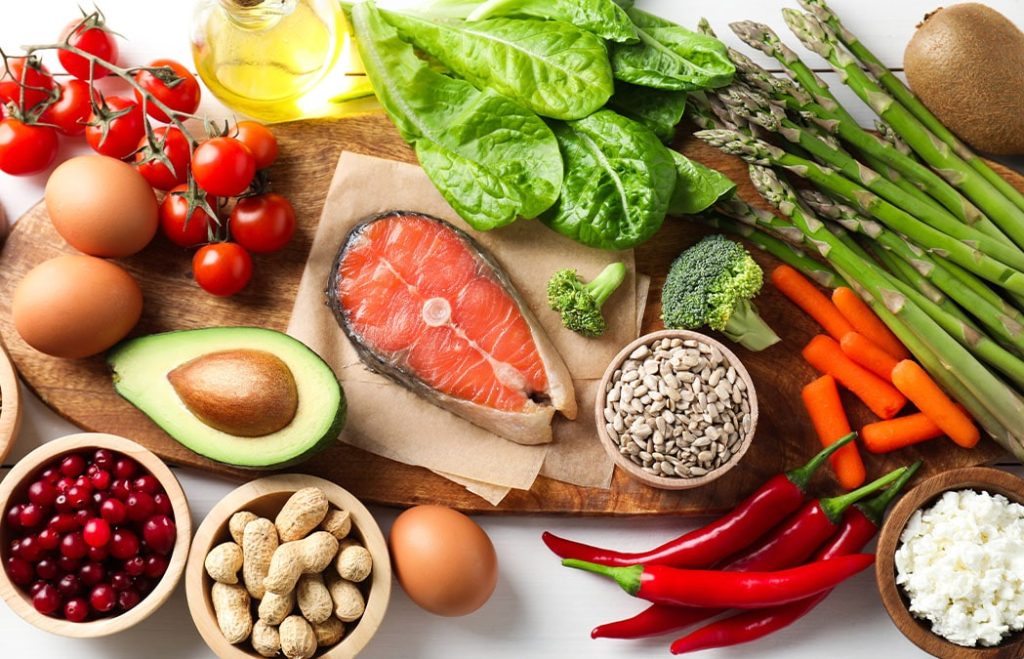
GFCFSF-Friendly Foods:
Proteins (Casein- and Soy-Free)
- Organic or grass-fed meats: chicken, turkey, beef, lamb
- Fresh fish and seafood (watch for additives in processed options)
- Eggs (eggs do not contain casein and are allowed)
- Legumes (except soy): lentils, chickpeas, black beans (in moderation depending on tolerance)
Grains (Gluten-Free)
- Rice (white, brown, wild)
- Quinoa
- Millet
- Buckwheat (despite its name, it’s gluten-free)
- Amaranth
- Certified gluten-free oats
Fruits and Vegetables
- All fresh fruits and vegetables are naturally GFCFSF
- Opt for organic produce when possible to reduce pesticide exposure
- Frozen fruits and veggies with no additives or sauces are also acceptable
Dairy Alternatives (Casein- and Soy-Free)
- Coconut milk, coconut yogurt
- Almond milk
- Rice milk
- Cashew milk
- Oat milk (ensure it’s certified gluten-free and doesn’t contain soy or added casein)
- Avoid lactose-free milk—it may be free of milk sugar (lactose) but still contains casein, which must be eliminated on this diet.
Healthy Fats
- Avocados
- Olive oil
- Coconut oil
- Ghee (clarified butter, but only if tolerated—ensure it’s casein-free)
- Nut and seed butters (almond, sunflower, pumpkin seed)
Snacks and Baked Goods (Carefully Selected)
- Homemade gluten-free, dairy-free baked items using almond flour, coconut flour, or cassava flour
- Rice cakes, gluten-free crackers (verify labels for soy or casein)
- Dried fruits (without added sugar or sulfites)
- Veggie chips or roasted chickpeas (with clean ingredients)
Supplements and Packaged Foods
- Look for GFCFSF-labeled supplements if needed
- Check ingredient lists carefully—many hidden sources of gluten, casein, and soy exist in commercial products
Avoid These:
- Wheat, barley, rye, and products made from them (bread, pasta, cookies, etc.)
- Cow’s milk, cheese, yogurt, cream, and butter
- Most processed foods unless labeled GFCFSF
- Soy-based cheese or milk that contains casein
- Malt (made from barley)
- Many boxed cereals and sauces (contain hidden gluten or casein)
Tips for Success
- Read labels carefully: Gluten and casein can be hidden under names like “modified food starch” or “natural flavor.”
- Cook from scratch when possible to control ingredients.
- Meal plan to avoid accidental exposures.
- Look for certified GFCFSF products when shopping.
Reading Food Labels
Fortunately, regulations now require food manufacturers to clearly label ingredients. Beneath the ingredient list, packages must identify any of the top eight allergens, which include milk (casein), wheat (gluten), soy, peanuts, tree nuts, eggs, fish, and shellfish.
The fewer processed foods you buy, the less label-reading you’ll need to do. During the initial transition, you may rely on some prepackaged items to help your child adjust—but the long-term goal is to move toward whole, unprocessed foods. Focus your shopping around the perimeter of the grocery store, where fresh produce, meats, and other whole foods are typically found.
Important Tips for Following the GFCF and Soy-Free Diet
- Eggs are allowed. While eggs are often found in the dairy section, they are not dairy products and do not contain casein, the protein found in milk.
- Lactose-free milk is not casein-free. Lactose is the sugar found in milk, while casein is the protein. Since casein remains present in lactose-free milk, it should be avoided on a GFCF diet.
- Organic doesn’t mean gluten- or casein-free. Organic simply refers to how a product is grown or produced. Always check labels for hidden gluten, casein, or soy ingredients, even in organic items.
- Strict avoidance is key. All sources of gluten, casein, and soy must be fully eliminated—regardless of quantity. Even trace amounts of these proteins can trigger a response in sensitive individuals.
- The goal is better health through whole foods. This diet emphasizes nourishing the body with clean, natural foods that are free of heavy proteins like gluten, casein, and soy.
- Be patient—it’s a lifestyle change. Transitioning to this diet takes time. Focus on progress, not perfection, and take it one day at a time.
- Limit sugar intake. Excess sugar can contribute to inflammation, mood changes, and other health challenges.
- Avoid artificial additives and dyes. Food colorings and chemical additives offer no nutritional value and may worsen behavioral or physical symptoms in some individuals.
- Track progress in a journal. Monitoring daily patterns can help identify improvements and sensitivities. You can use a written journal, video log, or mobile app to track:
- Behavior changes
- Dietary intake
- Skin health
- Bowel movements
Numerous online retailers specialize in food products tailored for individuals following the GFCFSF diet. Some parents opt to prepare GFCFSF meals in large batches and freeze portions for future meals.
Before transitioning to a GFCFSF diet, it is important to consult with your child’s doctor. A balanced intake of essential vitamins, proteins, fats, and carbohydrates is vital to support healthy growth and development. Working with a licensed dietitian can provide valuable guidance on the GFCFSF diet, allowing you to customize it according to your child’s health requirements and taste preferences. When considering a gluten-free, casein-free, soy-free (GFCFSF) diet for a child with autism, it is essential to be aware of hidden sources of gluten. Gluten can unexpectedly appear in fried foods that have been dusted with flour, as well as in various cosmetics and certain medications. Whole foods such as fruits, vegetables, and nuts are generally considered safe options. However, it’s advisable to steer clear of packaged mixes, as they may contain trace amounts of gluten that are not disclosed on the nutrition label.
Many restaurants now classify themselves as GFCFSF-friendly. If you have concerns about gluten, casein, or soy in your meal, don’t hesitate to ask the manager or server for a list of ingredients used in their dishes to ensure compliance with GFCFSF standards. Vegetarian or vegan restaurants can be particularly accommodating to those on special diets, making them a reliable choice for meals adhering to GFCFSF restrictions.
Summary
Supporting a child with autism often requires a comprehensive, individualized approach. Mesenchymal stem cell therapy offers a cutting-edge method to address core biological factors such as inflammation and immune imbalance, which are increasingly recognized as contributing to autism symptoms. When paired with a gluten-free, casein-free, soy-free (GFCFSF) diet, families may notice meaningful changes in behavior, communication, and overall well-being.
This integrative strategy focuses on healing the body from within—reducing internal stressors and helping children function at their best. Early results from families and emerging research are encouraging, and many parents find renewed hope through this combination of regenerative medicine and nutritional support.
As with any treatment path, it’s important to consult with experienced healthcare professionals. With the right guidance and commitment, stem cells and the GFCFSF diet may open new doors for children on the autism spectrum.
For more personalized advice or to explore this treatment option further, feel free to visit https://www.stemwavepro.com or contact (310) 361-5480 for additional information on treatment with Dr. Nourparvar, located in Los Angeles.
Medically reviewed by Padra Nourparvar, DO on
Posted on behalf of
Cedars Sinai Medical Office Towers
8631 West 3rd Street, #545E
Los Angeles, CA 90048
Phone: (310) 361-5480
Mon – Thu: 8:30am – 6:00pm
Friday: 8:30am – 4:30pm