What if there was a treatment that could help your child connect, communicate, and thrive in ways you’ve only dreamed of?
For families who have tried everything – ABA therapy, speech therapy, special diets, countless interventions – and still feel like something is missing, regenerative medicine is changing what’s possible. Stem cell therapy represents a scientific breakthrough that’s helping children with autism spectrum disorder (ASD) achieve improvements their parents never thought possible.
This isn’t about false promises. This is about peer-reviewed science, documented results, and real families seeing real changes.
Ready to Learn More? Call (310) 361-5480 or Schedule Your Consultation
I had horrible problems with my L5/S1 lower back and found the PRO institute. I promised I would write a follow up review. I’m actually a little freaked out because I’m about 80-90% back to normal. I love doing spin, yoga, Pilates and I feel like I’m back without post workout pain. I’m still careful but I’m literally amazed that I rarely have pain.
Why Families Across the Country Are Choosing Stem Cell Therapy
Duke University—one of the most respected research institutions in the world—has been studying stem cell therapy for autism for over a decade. Their findings have given families genuine reason for hope:
What the Research Shows
- Phase I Safety Study: In a Phase I open-label safety study of 25 children, statistically significant improvements were observed on parent-report measures and clinician ratings at 6 and 12 months
- Phase II Clinical Trial: 180 children participated in a rigorous randomized, placebo-controlled trial
- Exploratory Findings: In exploratory subgroup analyses of children without intellectual disability, improvements in communication skills and attention measures were observed
- Safe and well-tolerated—no serious adverse effects reported in either trial
This is published, peer-reviewed research from Stem Cells Translational Medicine and the Journal of Pediatrics.
Ongoing Research
Research on stem cell therapies for autism has continued to evolve. Future studies are focusing on children aged 4-7 with a full-scale IQ greater than 70 to measure improvements in socialization and communication—the population that showed the most promising signals in earlier trials.

More Resources for Your Family
Our Blog Articles
- Stem Cell Therapy for Autism: Hope, Healing, and the Latest Clinical Evidence — Deep dive into the science and Duke research
- Documented Improvements & Doctor’s Notes — What improvements look like and how we track them
- Real Cases, Real Improvements — Three detailed case studies from our clinic
Video
Parent Testimonial Video — Hear directly from families who’ve been through treatment
The Window of Opportunity: Why Early Intervention Matters
The developing brain has greater neuroplasticity at younger ages, which may allow for stronger responses to supportive therapies.
This is what we observe clinically:
- Under age 7: Greater potential for response to regenerative therapies
- Ages 7-11: Moderate response potential as brain development continues
- After age 11: Results may be more limited as neuroplasticity decreases
- Earlier treatment: May maximize developmental progress during critical windows
Delaying intervention may mean missing a critical developmental window. The brain’s ability to form new neural connections and reorganize itself is strongest in early childhood. This biological reality is why many families choose to explore stem cell therapy sooner rather than later.
If you’re considering this treatment for your child, we encourage you to schedule a consultation to discuss whether the timing is right for your family.
What Parents Are Saying About Their Children’s Transformations
“Mom reports tremendous amount of improvement in symptoms in all areas. His therapist noticed major changes in speech, language, behavior, mood, playfulness, potty training, and social interactions…”
— Parent of a 3-year-old patient
“Starting to point out and says the name of the object—like points to horse and says horse. He was struggling with this for many years. His ABA therapist was very moved.”
— Parent of a 4-year-old patient
“Cognitively he is awakening now. Initiating things. 10/10. From zero.”
— Parent describing her son’s transformation
These aren’t isolated cases. At Stem Cell & PRP Institute of L.A., we document every child’s progress—and we’re seeing meaningful improvements in children who had plateaued with traditional therapies.

Why Choose Stem Cell & PRP Institute of L.A.?
You Don’t Have to Travel Across the Country
Families used to have to fly to Duke University in North Carolina or travel overseas to access this level of care. Not anymore. Our Beverly Hills clinic brings world-class regenerative medicine right here to Los Angeles—with some important advantages:
No Blood Typing or HLA Matching Required
Unlike the Duke protocol, our highly purified cord blood stem cells are processed to remove HLA antigens—meaning no matching is needed and no risk of rejection. Research confirms the safety of this approach.
Multiple Stem Cell Options
We offer both cord blood AND cord tissue stem cells (MSCs)—giving your child access to the most advanced regenerative options available.
Sedation Available for Comfort
We know medical procedures can be stressful for children with sensory sensitivities. A licensed anesthesiologist can provide gentle sedation so your child remains calm and comfortable throughout treatment.
Award-Winning Physician
Dr. Padra Nourparvar brings credentials you can trust: UCLA Vice Provost Prize for Best Research Article, advanced training at UCLA, UC Irvine, NYU, and Mount Sinai, and over a decade of experience in regenerative medicine.
Don’t Wait Another Day. Call (310) 361-5480 to Speak With Our Team
The Science: How Stem Cells Help Children with Autism
Research suggests that neuroinflammation—chronic inflammation in the brain—may play a significant role in autism symptoms. Stem cell therapy works by:
- Reducing neuroinflammation that may be interfering with brain function
- Releasing growth factors that promote neural repair and new connections
- Modulating the immune system to restore balance
- Enhancing brain connectivity so different regions communicate more effectively
- Supporting cognitive development in speech, social skills, and behavior
Mesenchymal stem cells (MSCs) secrete powerful anti-inflammatory cytokines and regenerative signals. Exosomes—nanoscale messengers released by stem cells—deliver these healing factors directly where they’re needed most.
This is cutting-edge science working with your child’s own biology.

Real Results: Documented Improvements at Our Clinic
We don’t just hope for results—we track them. Here’s what we’ve documented in children treated at our Beverly Hills clinic:
Case Study 1: From Speech Delays to Full Sentences
A 3-year-old boy with level 2 autism had limited speech, short sentences, and frequent tantrums. Within weeks of treatment:
- Therapist noticed “major changes” across all developmental areas
- Improvements in speech, language, behavior, mood, playfulness
- Progress in potty training and social interactions
- Mom reports “tremendous improvement in symptoms in all areas”
Case Study 2: Better Sleep, More Words, More Connection
A 2-year-old girl struggled with sleep disruption, limited eye contact, and tantrums. About 3 weeks after treatment:
- “Not waking up at night as much”—finally sleeping through the night
- “More playful” and “likes to go outside more often”
- “Has been making more effort to speak and has been starting to say more words”
- More alert, more active, more engaged with the world
Case Study 3: "Cognitively He Is Awakening Now"
A 4-year-old boy with level two autism had violent outbursts, communication difficulties, and struggled with basic naming tasks for years. After stem cell therapy:
- Started pointing at objects and naming them—something he couldn’t do before
- “Now he can pick food items that he would like to eat”—a new ability
- “On point with his peers academically” according to his therapist
- ABA therapist was “very moved” by the sudden progress
- His mother’s words: “Cognitively he is awakening now. Initiating things. 10/10. From zero.”
Read the full case studies: Real Cases, Real Improvements
What Does Treatment Look Like?
Step 1: Consultation
Meet with Dr. Nourparvar to discuss your child’s history, current challenges, and goals. We answer every question and ensure this is the right fit for your family.
Step 2: Treatment Day
IV stem cell infusion at our comfortable Beverly Hills clinic. Sedation available if needed. Most sessions take 60-90 minutes. Your child goes home the same day.
Step 3: Watch for Changes
Many families notice improvements beginning 2-4 weeks after treatment. We schedule follow-up evaluations to track progress and discuss whether additional sessions may be beneficial.
It’s that simple. No surgery. No hospitalization. No lengthy recovery.
Your Child’s Breakthrough Starts with One Phone Call. Call (310) 361-5480
Frequently Asked Questions About Stem Cell Therapy for Autism
-
Yes. Duke University’s clinical trials and our own experience confirm that cord blood and cord tissue stem cell therapy is safe and well-tolerated in children with ASD. Our biologics are processed in FDA-registered laboratories with rigorous quality controls.
-
Stem cell therapy is not a cure—but it may help improve symptoms. Many children show meaningful gains in communication, social engagement, behavior, sleep, and focus. For families who’ve hit a plateau with traditional therapies, these improvements can be life-changing. Results vary by individual.
-
No. Stem cell therapy for autism is considered investigational and is used off-label. These treatments have not been evaluated or approved by the FDA for autism spectrum disorder. We encourage families to view this as part of an emerging field with promising preliminary research while larger controlled trials continue.
-
Many families observe changes beginning 2-4 weeks after treatment, with continued improvements over the following months. Results may require several months and potentially repeated treatments to obtain. Every child responds differently.
-
Based on neuroplasticity research and our clinical observations, children under age 7 may have the greatest potential for response. After age 11, results may be more limited. We recommend scheduling a consultation to discuss whether the timing is appropriate for your child.
-
Every child is different. Some benefit from a single infusion; others do best with a series of treatments. Dr. Nourparvar creates a personalized plan based on your child’s response.
-
Absolutely. We coordinate with your child’s ABA therapists, speech therapists, and other specialists to ensure integrated care.
-
Regenerative therapies are considered investigational and typically not covered by insurance. We’re happy to discuss costs and payment options during your consultation.
The Research Behind Our Approach
We don’t just hope for results—we track them. Here’s what we’ve documented in children treated at our Beverly Hills clinic:
Duke University Studies
- Phase I Study (2017): In an open-label safety study of 25 children treated with autologous cord blood, statistically significant improvements were observed on parent-report measures and clinician ratings. Published in Stem Cells Translational Medicine.
- Phase II ACT Study (2020): 180 children participated in a randomized, placebo-controlled trial. In exploratory subgroup analyses of children without intellectual disability (ages 4-7, IQ > 70), improvements in communication skills and attention measures were observed, though the primary study endpoints were not met. Published in Journal of Pediatrics.
- Parent-Friendly Summary: The Parent’s Guide to Cord Blood Foundation breaks down what the Duke results mean for families.
Safety Research
HLA Matching & Safety: Published research supporting the safety of purified cord blood without HLA matching.
Prevalence Data
CDC Autism Statistics: Approximately 1 in 31 children (3.2%) now diagnosed with ASD.

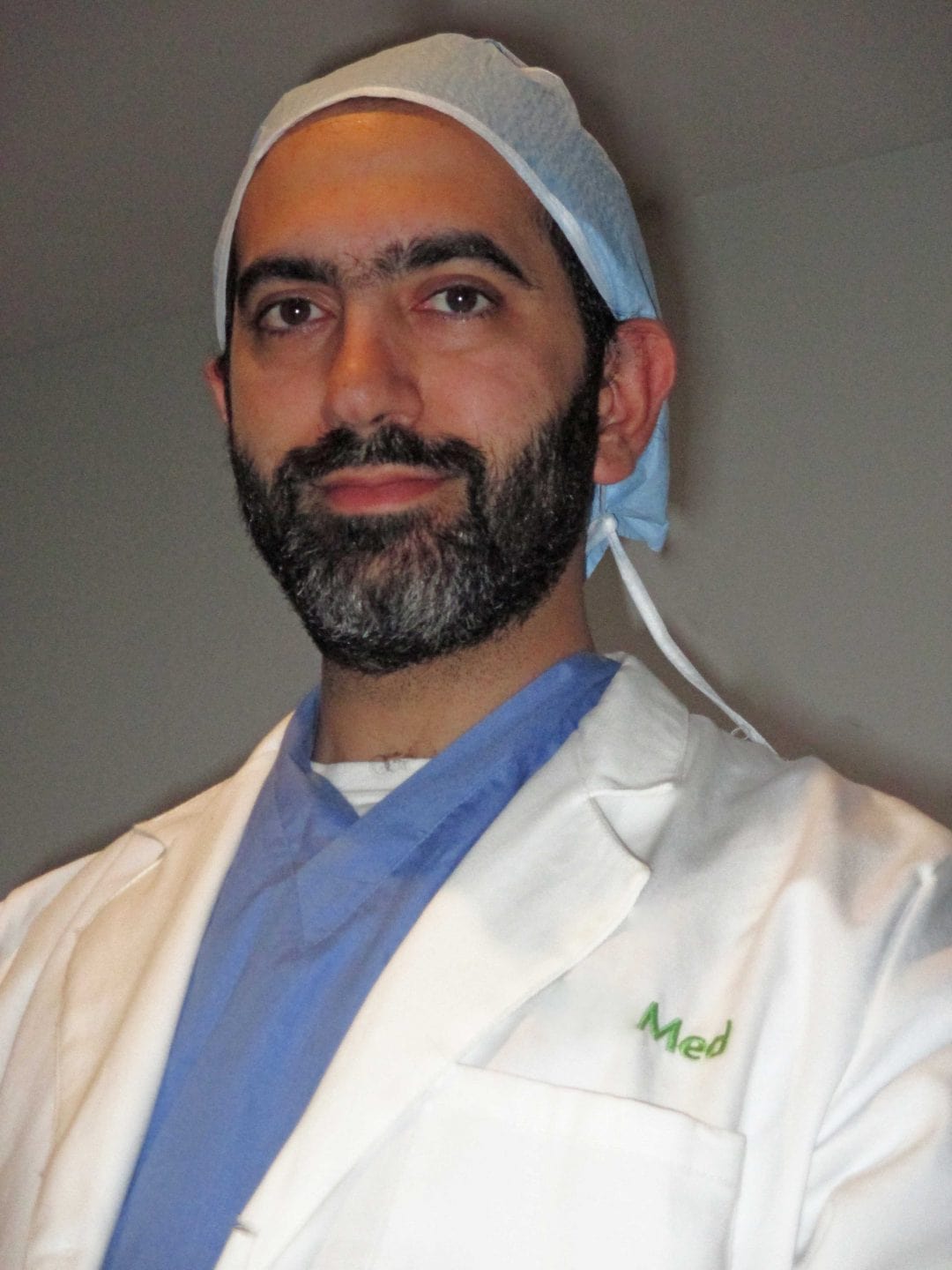
Why Choose Dr. Padra Nourparvar for Autism Spectrum Disorder Care in Los Angeles?
Families across Los Angeles choose Dr. Nourparvar for his expertise and compassionate approach to neurodevelopmental care:
- Board-Certified Physician: Specialized in family medicine and advanced regenerative therapies tailored to neurological conditions like ASD.
- Evidence-Based Protocols: Treatments grounded in current scientific research and clinical advancements.
- Personalized Care: Individualized treatment plans that consider each patient’s developmental profile and family goals.
- Convenient Beverly Hills Location: Accessible care for families throughout West Hollywood, Santa Monica, Brentwood, and beyond.
- Family-Focused Support: Emphasizing education, comfort, and ongoing collaboration with caregivers and therapists.
Stem Cell & PRP Institute of L.A.
Premier center for regenerative medicine under the leadership of Dr. Padra Nourparvar, a nationally recognized, double board-certified physician with advanced medical training from UCLA, UC Irvine, NYU, and Mount Sinai, we specialize in cutting-edge stem cell therapies designed to restore function, reduce inflammation, and elevate long-term quality of life.
Dr. Nourparvar has received numerous accolades, including the UCLA Vice Provost Prize for Best Research Article of the Year and the Motif Award for Advancement of Health from The Walt Disney Company. With over a decade of experience treating conditions such as kidney failure, stroke, Parkinson’s disease, and more, he brings a rare combination of technical skill and human compassion to every patient encounter.
Your Child Deserves Every Possible Chance
You’ve already done so much for your child. You’ve advocated, researched, tried intervention after intervention. You’ve wondered if there’s something more out there.
There is.
Stem cell therapy isn’t magic—it’s science. It’s the same type of breakthrough that’s revolutionized treatment for dozens of conditions. And for children with autism, the research from Duke University and the results we’re seeing in our clinic suggest this may be the missing piece many families have been searching for.
Don’t let another year go by wondering “what if.”
Take the First Step Today
If you’re exploring advanced options to support your child’s development, Dr. Padra Nourparvar and the team at Stem Cell & PRP Institute of L.A. are here to help.
Schedule a consultation at our Beverly Hills clinic to discuss whether stem cell therapy may be appropriate for your child—and take a hopeful step toward supporting their
potential.
Call us now at (310) 361-5480 to speak with our team
Schedule your consultation online
Visit us in Beverly Hills — Cedars Sinai Medical Office Towers, 8631 West 3rd Street, #545E, Los Angeles, CA 90048
Stem Cell & PRP Institute of L.A.
Dr. Padra Nourparvar — Board-Certified Physician | UCLA Vice Provost Prize Recipient | Advanced Training at UCLA, UC Irvine, NYU & Mount Sinai
Serving families throughout Los Angeles, Beverly Hills, Santa Monica, West Hollywood, Brentwood, and across the nation.
Important Disclosure
Our clinic is not offering stem cells or stem cell therapy as a cure for any condition, disease, or injury. No statements or implied treatments on this website have been evaluated or approved by the FDA. This website contains no medical advice. We may use biologics from umbilical cord blood, nanofat, and bone marrow aspirate that may potentially contain stem cells. Much of the information and many of the treatments may be investigational and may require participation in a research program. No results or specific outcomes are guaranteed. Please use this site as an educational resource and consult with a physician about available options and treatments.
Claims are based on ongoing research. Please note that results may vary based on a patient’s medical conditions and age, and may require several months and repeated treatments to obtain. Treatments are considered investigational, and these claims have not been verified by the FDA. No claim for curing or treating any condition is made. A consultation with our board-certified physician is required before starting any treatment to confirm whether the procedure would be appropriate for you.