Building a family is one of life’s most meaningful journeys—and for women facing fertility challenges, the path can feel uncertain. For those who have struggled with diminished ovarian reserve, premature ovarian insufficiency (POI), or poor response to conventional treatments, regenerative medicine offers a new frontier of hope. Combining mesenchymal stem cells (MSCs) with exosome therapy represents one of the most promising advances in reproductive medicine, working synergistically to rejuvenate ovarian tissue, support follicular development, and optimize the reproductive environment from within.
A Research-Driven Approach to Fertility Enhancement
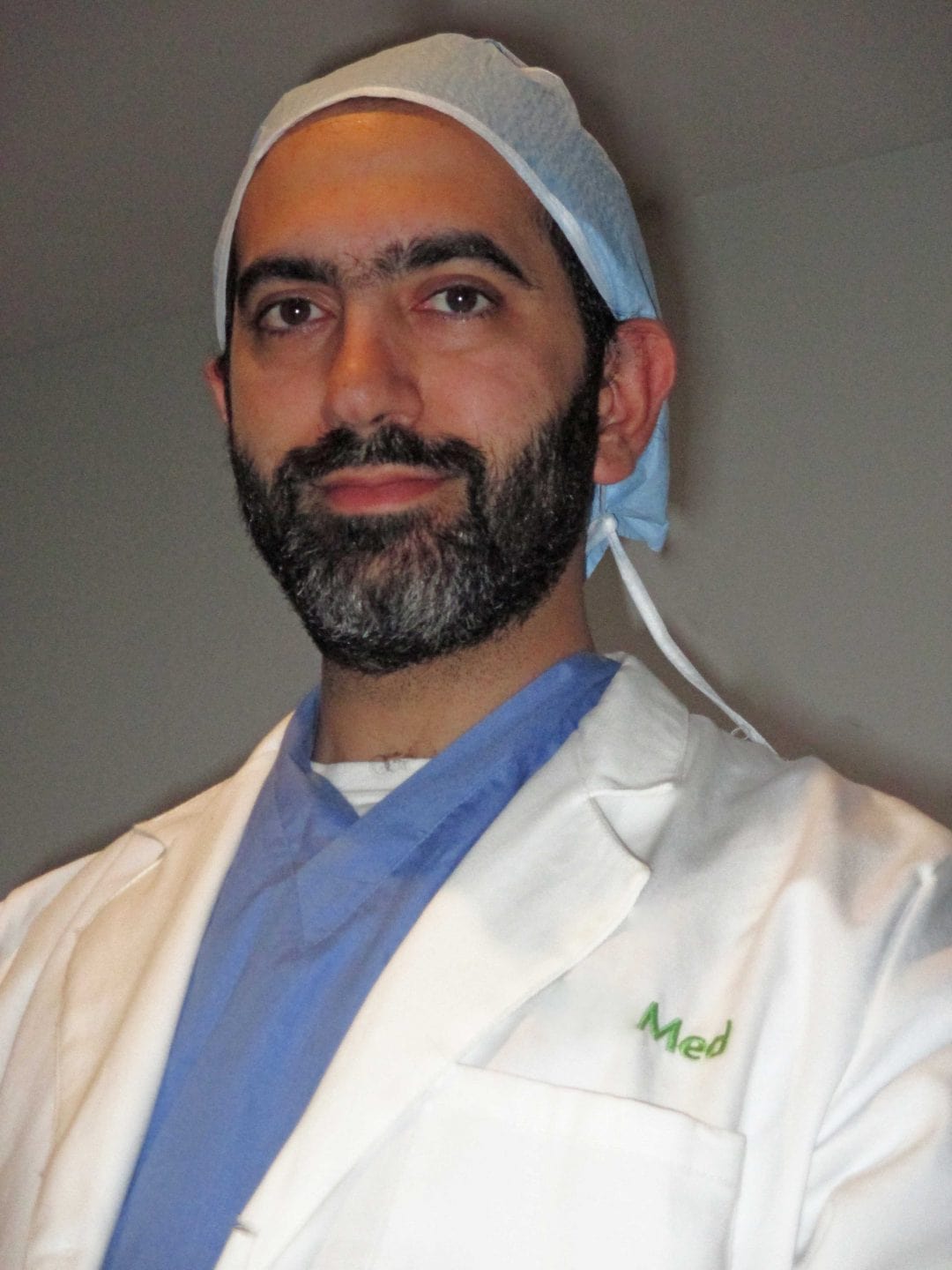
Dr. Padra Nourparvar brings a unique perspective to regenerative fertility treatment—combining his award-winning research background with advanced training in regenerative medicine and a deep understanding of the cellular mechanisms that influence ovarian function. “When we look at the published research on stem cells and exosomes for ovarian rejuvenation, the results are genuinely encouraging,” explains Dr. Nourparvar. “These therapies work through multiple biological pathways—reducing oxidative stress, promoting blood vessel formation, and delivering growth factors that can awaken dormant follicles. Our approach combines both modalities to maximize the regenerative potential.”
Amazing doctor and kind and caring staff. After my stem shot injections I had minimal pain and swelling. Highly recommend this office!

What Are Stem Cells and Exosomes?
Mesenchymal stem cells (MSCs) are multipotent cells found in bone marrow, adipose tissue, and umbilical cord tissue that possess remarkable regenerative properties. When introduced into damaged or aging tissue, MSCs release a complex array of growth factors, cytokines, and signaling molecules that promote healing and cellular repair. In the context of fertility, MSCs have been shown to enhance ovarian blood supply, reduce cellular death (apoptosis), and support the development of ovarian follicles.
Exosomes are nanoscale extracellular vesicles—essentially tiny messenger packages—secreted by stem cells. Ranging from 30 to 150 nanometers in size, exosomes carry functional microRNAs, proteins, and growth factors that communicate directly with recipient cells. Research has identified specific microRNAs within MSC-derived exosomes—including miR-21-5p and miR-17-5p—that regulate critical pathways involved in ovarian function, including the PI3K/AKT and Hippo signaling cascades that govern follicle activation and granulosa cell survival.
Who May Benefit from Regenerative Fertility Therapy
Combined stem cell and exosome therapy may be considered for women experiencing:
- Premature Ovarian Insufficiency (POI): loss of ovarian function before age 40, affecting approximately 1% of women of reproductive age
- Diminished Ovarian Reserve (DOR): reduced quantity and quality of remaining eggs, often indicated by low AMH levels
- Poor Ovarian Response (POR): limited egg production during IVF stimulation cycles despite medication
- Recurrent IVF Failure: multiple unsuccessful assisted reproduction cycles seeking adjunctive support
- Age-Related Fertility Decline: women seeking to optimize ovarian health before conception or egg freezing

Why Combine Stem Cells and Exosomes?
While both stem cells and exosomes independently show therapeutic promise, emerging research suggests that combining these modalities may offer complementary benefits. Stem cell therapy provides sustained regenerative effects through the ongoing secretion of bioactive factors and potential direct cellular interactions within the ovarian microenvironment. Published studies demonstrate that MSC-treated subjects maintain higher pregnancy rates in subsequent breeding cycles compared to exosome-only treatment, suggesting more durable effects.
Exosomes, as a cell-free therapy, offer distinct advantages—they avoid potential concerns associated with whole-cell transplantation, have improved biodistribution, and can cross biological barriers more readily. The cell-free nature of exosomes enables standardized preparation and storage while delivering concentrated regenerative signaling molecules directly to target tissues. By combining both approaches in an IV protocol, we aim to harness the sustained effects of stem cells alongside the targeted delivery of exosomal cargo.
What to Expect During Treatment
The combined IV stem cell and exosome fertility protocol is administered as an outpatient procedure in our Beverly Hills clinic. Treatment begins with a comprehensive evaluation, including hormone panels (FSH, AMH, estradiol) and ultrasound assessment of antral follicle count to establish baseline ovarian function. During the infusion session, ethically sourced MSCs and MSC-derived exosomes are delivered intravenously, allowing systemic distribution with particular affinity for ovarian tissue.
Most patients experience minimal to no discomfort during treatment, with sessions typically lasting 60 to 90 minutes. Follow-up hormone testing and imaging are scheduled to track ovarian response, typically at 4 to 8 weeks post-treatment. Dr. Nourparvar works closely with each patient’s reproductive endocrinologist or fertility specialist to coordinate care and optimize timing for those pursuing assisted reproduction.
The Evidence: What Research Shows
A growing body of preclinical and early clinical research supports the potential of regenerative therapies for ovarian rejuvenation:
- Pregnancy Outcomes: a 2025 retrospective study of 145 women with ovarian failure reported approximately 7% achieved spontaneous pregnancy and 14% conceived through IVF following stem cell-based regenerative treatment
- Restored Ovarian Function: Studies in POI animal models demonstrate that both MSCs and MSC-derived exosomes can improve follicle counts, normalize hormone levels, restore menstrual cyclicity, and achieve successful pregnancies
- Multiple Mechanisms of Action: research has identified that these therapies work by reducing granulosa cell apoptosis, promoting follicular development, enhancing ovarian vascularization, and modulating inflammatory responses within the ovarian niche
- Human Clinical Trials: published human data from multiple clinical trials show promising outcomes, including improved antral follicle counts after bone marrow-derived stem cell injection, recovery of menstrual cycles, and spontaneous pregnancies in women with POI

Frequently Asked Questions About Stem Cell and Exosome Fertility Therapy
-
When administered intravenously, MSCs and exosomes travel through the bloodstream with particular affinity for damaged or inflamed tissues, including the ovaries. Once there, they release growth factors that reduce oxidative stress, inhibit apoptosis of granulosa cells, promote new blood vessel formation, and potentially activate dormant primordial follicles—creating a more favorable environment for egg development and ovulation.
-
Stem cell and exosome therapies for fertility enhancement are considered investigational in the United States and have not received FDA approval for this indication. However, multiple clinical trials are underway globally, and our protocols follow strict safety and ethical guidelines. We encourage patients to view this as part of an emerging field with promising preliminary data while larger controlled trials continue.
-
Stem cells are living cells that can secrete regenerative factors over time and potentially interact directly with ovarian tissue. Exosomes are the nanoscale vesicles released by stem cells that carry concentrated bioactive cargo. Research suggests stem cells may provide more sustained effects, while exosomes offer advantages in standardization and targeted delivery. Combining both may leverage the benefits of each approach.
-
Treatment protocols are individualized based on each patient’s diagnosis, age, hormone levels, and reproductive goals. Some patients may benefit from a single infusion, while others—particularly those with more significant ovarian decline—may require a series of treatments spaced several weeks apart. Dr. Nourparvar develops a personalized plan after thorough evaluation.
-
Yes. Many patients pursue regenerative fertility therapy as an adjunct to IVF, typically undergoing IV stem cell and exosome treatment several weeks before their stimulation cycle to optimize ovarian response. We coordinate closely with your reproductive endocrinologist to ensure seamless integration of care.
-
Published studies report that regenerative fertility treatments are generally well-tolerated with minimal adverse effects. Some patients experience mild, transient symptoms such as fatigue or headache following infusion. Because we use carefully sourced biologics and follow established safety protocols, the risk of serious complications is very low. Dr. Nourparvar discusses all potential risks during your consultation.

Why Choose Stem Cell & PRP Institute of L.A.
- Research-Driven Protocols: our treatment approaches are informed by the latest peer-reviewed literature and clinical trial data on regenerative fertility therapies
- Award-Winning Expertise: Dr. Nourparvar’s background includes the UCLA Vice Provost Prize for Best Research Article and advanced training at UCLA, UC Irvine, NYU, and Mount Sinai
- Personalized Care: every treatment plan is tailored to your individual hormone profile, ovarian reserve status, and reproductive timeline
- Collaborative Approach: we work alongside your fertility specialist to coordinate regenerative therapy with your overall reproductive plan
- Compassionate Support: we understand the emotional weight of fertility challenges and provide attentive, supportive care throughout your journey
Stem Cell & PRP Institute of L.A.
Premier center for regenerative medicine under the leadership of Dr. Padra Nourparvar, a nationally recognized, double board-certified physician with advanced medical training from UCLA, UC Irvine, NYU, and Mount Sinai, we specialize in cutting-edge stem cell therapies designed to restore function, reduce inflammation, and elevate long-term quality of life.
Dr. Nourparvar has received numerous accolades, including the UCLA Vice Provost Prize for Best Research Article of the Year and the Motif Award for Advancement of Health from The Walt Disney Company. With over a decade of experience treating conditions such as kidney failure, stroke, Parkinson’s disease, and more, he brings a rare combination of technical skill and human compassion to every patient encounter.
Explore Your Options in Beverly Hills
If you’re exploring advanced options to support your fertility journey, Dr. Padra Nourparvar and the team at Stem Cell & PRP Institute of L.A. are here to help. Schedule a consultation at our Beverly Hills clinic to discuss whether combined IV stem cell and exosome therapy may be right for you—and take a confident step toward your family-building goals.