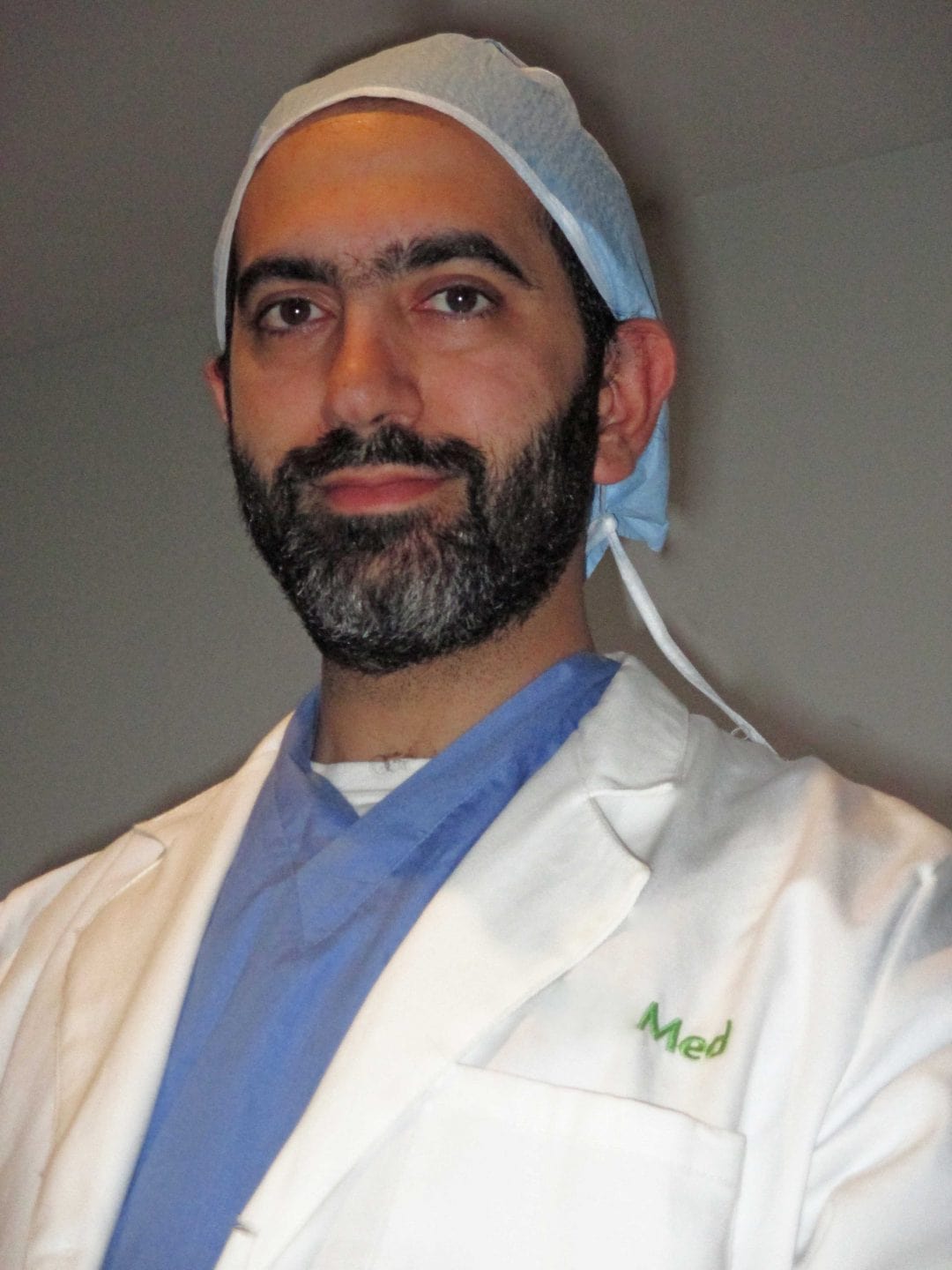
Families seeking advanced regenerative options for autism spectrum disorder (ASD) and related neurodevelopmental conditions now have access to some of the most innovative therapies available in the United States. Stem cell and exosome treatments represent a breakthrough approach to supporting neurological function, reducing inflammation, and promoting neural repair in children and adults affected by these complex conditions. Under the care of Dr. Padra Nourparvar – a board-certified physician with specialized training in regenerative medicine and pediatric neurological support from UCLA, Mount Sinai, NYU, and Children’s Hospital Los Angeles – the Stem Cell & PRP Institute of L.A. in Beverly Hills offers personalized, research-driven protocols for patients from throughout Los Angeles and across the country.
Amazing office and doctor! The doctor is very experienced and you get the correct diagnosis while the previous doctors were all missing the point and diagnosing wrong and recommending unnecessary procedures and surgery.
He is very good at doing a proper exam instead of just treating your chart or MRI. Many other doctors don’t even touch or examine you and put their trust in the mri and miss the correct diagnosis.
They use high quality stem cells, exosomes and PRP. He uses ultrasound to make sure the injection goes in the correct place.
You can get your cosmetic treatments for prp and stem cell facials also and you get a discount for combination same day treatment and venom and zelle treatment.
A Specialized Approach to Neurodevelopmental Care
Dr. Nourparvar brings a rare combination of academic rigor and compassionate care to families navigating the challenges of neurodevelopmental disorders. As one of the leading clinics in the United States offering stem cell therapy specifically for autism and related conditions, our Beverly Hills practice provides access to protocols that many families travel from across the nation to receive. Our approach draws from the latest peer-reviewed research, including insights from Duke University’s groundbreaking work with cord blood infusions for neurodevelopmental conditions.
“Every child deserves the opportunity to reach their full potential,” says Dr. Nourparvar. “Regenerative medicine offers families a new avenue of hope when conventional therapies have reached their limits. We focus on addressing the underlying neuroinflammation and immune dysregulation that research has linked to autism spectrum disorders.”
Understanding Stem Cell Therapy for Autism and Neurodevelopmental Disorders
Stem cell therapy for neurodevelopmental conditions works through multiple mechanisms that target the underlying biological factors contributing to these disorders. Mesenchymal stem cells (MSCs), derived from sources such as umbilical cord blood, umbilical cord tissue (Wharton’s Jelly), or the patient’s own bone marrow or adipose tissue, possess powerful immunomodulatory and anti-inflammatory properties that can influence brain function and development.
Research has demonstrated that children with autism often exhibit neuroinflammation, immune system dysfunction, and disrupted neural connectivity. Stem cells address these issues by releasing growth factors and signaling molecules that reduce inflammation in the brain, modulate immune responses that may be overactive or misdirected, support the repair and regeneration of neural tissue, promote the formation of new synaptic connections, and enhance blood-brain barrier function.
The Science Behind Cord Blood Therapy
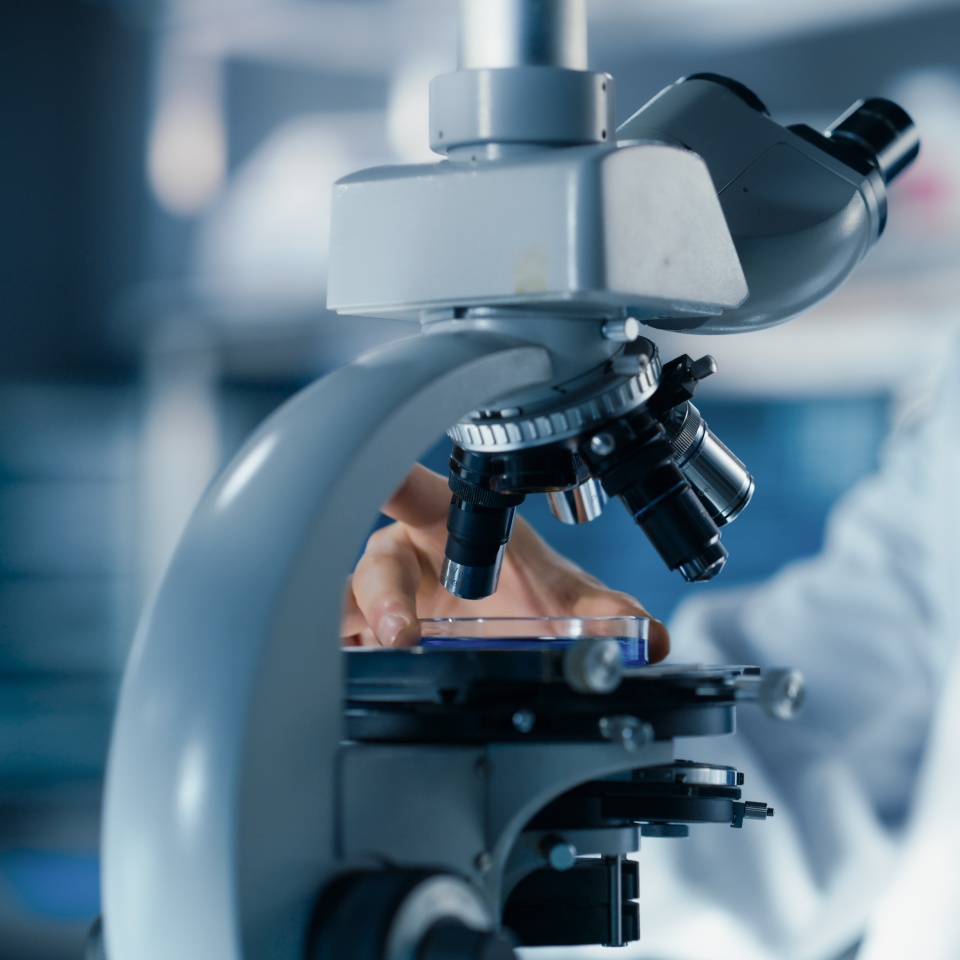
Duke University has been at the forefront of cord blood research for neurodevelopmental conditions. Since 2017, Duke has maintained FDA approval for an Expanded Access program (EAP) covering the use of autologous and sibling cord blood infusions to treat a range of neurodevelopmental disorders in children. This program has demonstrated that cord blood-derived stem cells can be safely administered to children with these conditions, with many families reporting improvements in communication, social engagement, and behavioral regulation.
The conditions addressed by regenerative protocols like those offered at our Beverly Hills clinic include:
- Perinatal Stroke: occurring around the time of birth and affecting neurological development
- Hydrocephalus: involving fluid accumulation in the brain that can impact development
- Autism Spectrum Disorder (ASD): characterized by challenges in communication, social interaction, and repetitive behaviors
- Cerebral Palsy (CP): affecting movement, muscle tone, and coordination due to early brain injury
- Hypoxic Ischemic Encephalopathy (HIE): resulting from oxygen deprivation at birth
Exosome Therapy for Enhanced Neural Support
Exosomes represent one of the most exciting developments in regenerative medicine for neurological conditions. These tiny extracellular vesicles — derived from mesenchymal stem cells — contain growth factors, mRNA, and proteins that can cross the blood-brain barrier and deliver regenerative signals directly to neural tissue. Exosome therapy offers a cell-free approach that may be particularly effective for addressing neuroinflammation and supporting neural repair in children with autism and related conditions.
Why Families Choose Regenerative Therapy for Neurodevelopmental Conditions
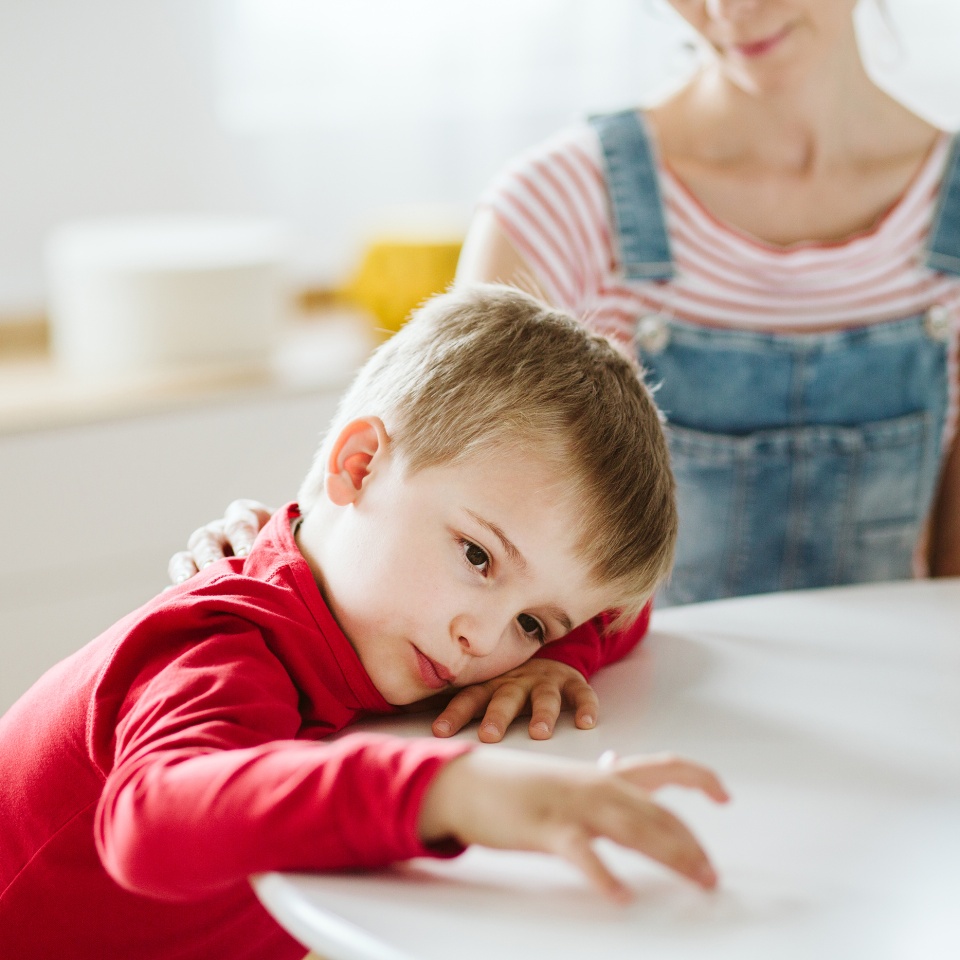
Parents of children with autism and other neurodevelopmental conditions often exhaust conventional treatment options — from behavioral therapies and speech therapy to occupational therapy and specialized educational programs. While these interventions provide valuable support, they do not address the underlying biological factors that may be contributing to their child’s challenges.
Families turn to stem cell and exosome therapy seeking improvements in communication and language development, enhanced social engagement and eye contact, reduced anxiety and improved emotional regulation, better sleep patterns, decreased repetitive behaviors, and improved focus and attention. Clinical observations and documented outcomes at our Beverly Hills clinic have shown that many children experience meaningful improvements in these areas following regenerative treatment, with some families noticing changes within weeks to months of their initial sessions.
What to Expect During Treatment
Treatment at the Stem Cell & PRP Institute of L.A. begins with a comprehensive evaluation by Dr. Nourparvar. This assessment includes a thorough review of your child’s medical history, developmental milestones, and previous treatments. Based on this evaluation, Dr. Nourparvar develops a personalized protocol that may include umbilical cord blood or cord tissue-derived stem cells, exosome therapy, IV administration for systemic delivery, adjunctive therapies such as hyperbaric oxygen or IV vitamin support, and integration with existing behavioral and developmental programs.
Most regenerative treatments are performed on an outpatient basis with minimal discomfort. Dr. Nourparvar and his team prioritize patient comfort, particularly when working with children who may have sensory sensitivities. Follow-up appointments allow for ongoing monitoring and adjustment of treatment protocols based on your child’s response.
Frequently Asked Questions About Stem Cell Therapy for Autism and Neurodevelopmental Conditions
-
Yes. When administered by experienced, board-certified specialists like Dr. Nourparvar, stem cell and exosome therapies have demonstrated excellent safety profiles. Umbilical cord-derived products are rigorously screened, and treatments are performed following strict sterile protocols. Side effects, when they occur, are typically mild and temporary, such as brief fatigue or low-grade fever.
-
Currently, stem cell and exosome therapies are not positioned as a cure for autism spectrum disorder. However, these treatments may help improve symptoms by reducing neuroinflammation, modulating immune function, and supporting neural repair. Many families report meaningful improvements in communication, behavior, and quality of life following treatment.
-
Treatment protocols vary based on each patient’s unique needs, age, and response. Some families observe improvements after a single treatment, while others benefit from a series of sessions spaced over months. Dr. Nourparvar works closely with families to determine the optimal treatment schedule.
-
While regenerative therapies can benefit patients of various ages, research suggests that earlier intervention — particularly during periods of active brain development — may offer enhanced potential for neuroplasticity and improvement. Dr. Nourparvar evaluates each patient individually to determine candidacy regardless of age.
-
Most regenerative treatments for neurodevelopmental conditions are considered investigational and are not currently covered by insurance. Our clinic offers transparent pricing and can discuss flexible payment options to help families access the care they need.
-
Absolutely. Families travel from across the United States to receive treatment at our Beverly Hills clinic. Our team provides concierge-level support for travel, accommodations, and coordinated follow-up care with your local healthcare providers.

Why Choose the Stem Cell & PRP Institute of L.A. for Neurodevelopmental Care
- Specialized Expertise: Dr. Nourparvar brings training from UCLA, Mount Sinai, NYU, UC Irvine, and Children’s Hospital Los Angeles specifically relevant to pediatric and neurological regenerative medicine
- Research-Driven Protocols: treatment approaches informed by the latest peer-reviewed studies, including Duke University’s pioneering cord blood research
- Comprehensive Care Options: access to multiple stem cell sources, exosome therapy, and adjunctive treatments tailored to each patient
- Family-Centered Approach: compassionate care that prioritizes patient comfort, clear communication, and ongoing family support
- National Recognition: recipient of the UCLA Vice Provost Prize and the Motif Award for Advancement of Health, with over a decade of experience in regenerative medicine
Stem Cell & PRP Institute of L.A.
Premier center for regenerative medicine under the leadership of Dr. Padra Nourparvar, a nationally recognized, double board-certified physician with advanced medical training from UCLA, UC Irvine, NYU, and Mount Sinai, we specialize in cutting-edge stem cell therapies designed to restore function, reduce inflammation, and elevate long-term quality of life.
Dr. Nourparvar has received numerous accolades, including the UCLA Vice Provost Prize for Best Research Article of the Year and the Motif Award for Advancement of Health from The Walt Disney Company. With over a decade of experience treating conditions such as kidney failure, stroke, Parkinson’s disease, and more, he brings a rare combination of technical skill and human compassion to every patient encounter.
Schedule a Consultation at Our Beverly Hills Clinic
If your child or a loved one is living with autism, cerebral palsy, or another neurodevelopmental condition, regenerative medicine may offer a path forward that complements existing therapies and supports lasting improvement. Dr. Padra Nourparvar and the team at the Stem Cell & PRP Institute of L.A. are here to answer your questions, review your child’s unique situation, and discuss whether stem cell or exosome therapy may be right for your family. Contact our Beverly Hills clinic today to schedule your consultation and take the first step toward a brighter future.