
Chronic pelvic pain can be isolating, frustrating, and profoundly life-altering—especially when the source is difficult to diagnose. Pudendal neuralgia, a condition caused by damage or irritation to the pudendal nerve, affects both men and women with debilitating symptoms that often go unrecognized for years. For patients who have exhausted conventional treatments without adequate relief, regenerative medicine offers an emerging pathway toward healing. Stem cell therapy and platelet-rich plasma (PRP) injections represent innovative approaches that may promote nerve regeneration, reduce neuroinflammation, and restore function where traditional options have fallen short.
Amazing doctor and kind and caring staff. After my stem shot injections I had minimal pain and swelling. Highly recommend this office!

A Regenerative Approach to Nerve Pain
Dr. Padra Nourparvar brings expertise in both regenerative medicine and the treatment of complex pain conditions to patients suffering from pudendal neuralgia. His training at UCLA, UC Irvine, NYU, and Mount Sinai—combined with recognition including the UCLA Vice Provost Prize for Best Research Article—provides the scientific foundation for his approach to neuropathic pain. “Pudendal neuralgia is one of the most challenging chronic pain conditions because the nerve is difficult to access and conventional treatments often provide only temporary relief,” explains Dr. Nourparvar. “The rationale for using stem cells and PRP is compelling—these biologics contain growth factors and signaling molecules that may actually help regenerate damaged nerve tissue rather than simply masking symptoms.”
What Is Pudendal Neuralgia?
The pudendal nerve originates from the S2, S3, and S4 sacral nerve roots and travels through the pelvis to provide sensation to the genitals, perineum (the area between the genitals and anus), and anal region. It also controls the sphincter muscles involved in bladder and bowel function. When this nerve becomes compressed, entrapped, or damaged, it can produce chronic neuropathic pain that significantly impacts quality of life.
Pudendal neuralgia affects approximately 1–4% of the general population, though many cases go undiagnosed or are misattributed to other conditions. The hallmark symptom is pelvic pain that worsens with sitting and improves when standing or lying down—a pattern that distinguishes it from many other pain conditions. Diagnosis is primarily clinical, often guided by the “Nantes criteria,” and may be supported by diagnostic nerve blocks that temporarily relieve symptoms.
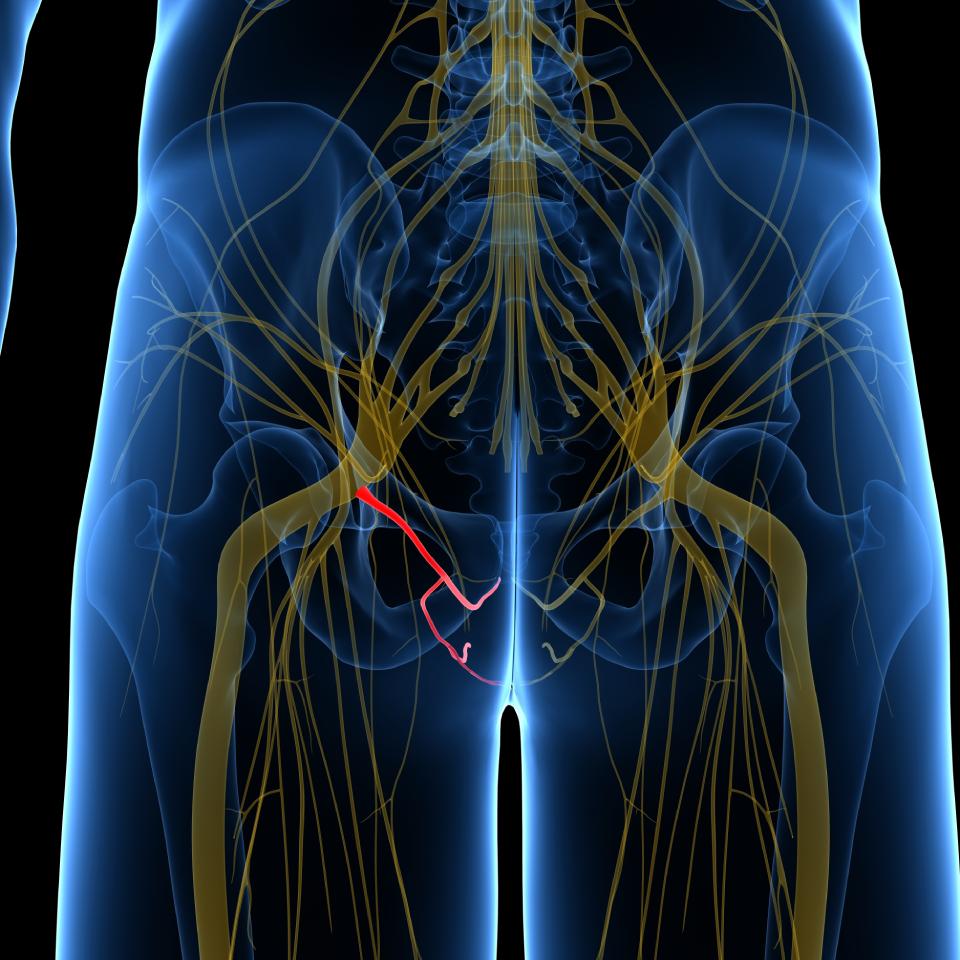

Recognizing Pudendal Neuralgia Symptoms
Symptoms of pudendal neuralgia can vary significantly between individuals and may affect one or both sides of the body. Common presentations include:
- Burning, Shooting, or Electric Pain: sharp or searing sensations in the genital, perineal, or anal area
- Pain That Worsens with Sitting: the defining characteristic, often improving when standing, lying down, or sitting on a toilet seat
- Numbness or Tingling: altered sensation in the vulva, vagina, clitoris, penis, scrotum, or rectal area
- Sexual Dysfunction: painful intercourse, erectile dysfunction, or difficulty achieving orgasm
- Bladder and Bowel Symptoms: urinary urgency, frequency, or hesitancy; constipation or pain with bowel movements
- Progressive Worsening: symptoms that intensify throughout the day or over time
Causes and Risk Factors
Pudendal neuralgia can develop from various causes that damage or compress the nerve:
- Chronic Constipation or Straining: repeated pressure on pelvic floor structures
- Prolonged Sitting or Cycling: repetitive pressure on the perineum can irritate or compress the nerve
- Pelvic Surgery or Trauma: procedures such as prostatectomy, hysterectomy, or mesh implantation
- Childbirth: prolonged labor or difficult vaginal delivery can stretch or damage the nerve
- Nerve Entrapment: compression by ligaments, muscles, or scar tissue along Alcock’s canal
Regenerative Treatment Options
When conservative measures—including physical therapy, medications, and lifestyle modifications—fail to provide adequate relief, regenerative approaches offer potential benefits through biological mechanisms that support nerve healing.
Stem Cell Therapy for Pudendal Neuralgia
A prospective pilot study published in Pain Medicine examined 15 women with pudendal neuralgia who underwent transperineal injections of autologous adipose tissue containing stem cells (lipofilling) along Alcock’s canal. At 12-month follow-up, visual analog scale (VAS) pain scores improved significantly from 8.1 to 3.2, and quality of life measures (SF-36) also showed meaningful improvement. The procedure was well-tolerated with no complications reported. While the study was small and uncontrolled, these results provide preliminary evidence supporting the feasibility and potential efficacy of stem cell-based approaches for this challenging condition.
The therapeutic rationale centers on the regenerative properties of mesenchymal stem cells (MSCs), which release neurotrophic factors that may promote pudendal nerve regeneration, reduce neuroinflammation, and help restore normal nerve function. By delivering these cells directly to the site of nerve compression or damage, the treatment aims to address the underlying pathology rather than simply managing symptoms.
PRP Therapy for Neuropathic Pelvic Pain
Platelet-rich plasma (PRP) offers a complementary or alternative regenerative approach. A 2024 systematic review examining PRP for neuropathic pain conditions found that 8 of 12 randomized trials demonstrated positive effects on pain intensity, with a high safety profile and no serious adverse effects reported. Importantly, the efficacy appeared independent of the specific neuropathic pain etiology, suggesting potential applicability across different nerve-related conditions including pudendal neuralgia.
A 2025 systematic review further detailed how PRP contains concentrated growth factors—including platelet-derived growth factor (PDGF), transforming growth factor-beta (TGF-β), and vascular endothelial growth factor (VEGF)—that promote nerve regeneration, reduce inflammation, and modulate neuropathic pain through multiple biological mechanisms. These properties make PRP a promising option for patients seeking alternatives to repeated steroid injections or surgical intervention.
What to Expect During Treatment
Pudendal nerve injections with stem cells or PRP are performed as outpatient procedures at our Beverly Hills clinic. Treatment begins with a comprehensive evaluation, including review of imaging studies, discussion of prior treatments, and physical examination to confirm the diagnosis and identify the optimal injection approach.
The injection procedure utilizes image guidance—typically ultrasound or fluoroscopy—to precisely target the pudendal nerve along Alcock’s canal or at other sites of suspected entrapment. For PRP therapy, a blood sample is drawn and processed to concentrate the platelets before injection. Stem cell procedures may involve harvesting adipose tissue through a minimally invasive liposuction technique. Most patients tolerate the procedure well with local anesthesia, and recovery typically involves mild soreness for a few days. Dr. Nourparvar coordinates with your existing care team, including pelvic floor physical therapists, to optimize outcomes.
Frequently Asked Questions About Pudendal Neuralgia Treatment
-
Diagnosis is primarily clinical, based on characteristic symptoms such as pelvic pain that worsens with sitting and improves when standing. The Nantes criteria provide a standardized diagnostic framework. A diagnostic pudendal nerve block—an injection that temporarily numbs the nerve—can help confirm the diagnosis if symptoms significantly improve. MRI may be used to rule out other causes but cannot definitively diagnose pudendal neuralgia.
-
Both therapies contain bioactive factors that may promote nerve regeneration, reduce inflammation, and modulate pain signaling. Stem cells release neurotrophic factors and immunomodulatory molecules, while PRP delivers concentrated growth factors directly to damaged tissue. Research indicates these mechanisms address the underlying nerve pathology rather than simply masking symptoms.
-
Yes. Pudendal neuralgia affects both sexes, though it is somewhat more common in women. The pudendal nerve anatomy and treatment approach are similar regardless of gender, and regenerative therapies can be tailored to address symptoms in either men or women experiencing chronic pelvic nerve pain.
-
Published pilot data show significant pain reduction in the majority of treated patients, with VAS scores improving from 8.1 to 3.2 at one year in the stem cell study. However, individual responses vary, and these therapies remain investigational. Dr. Nourparvar provides realistic expectations based on your specific diagnosis, symptom severity, and treatment history during your consultation.
-
Systematic reviews report a high safety profile for PRP in neuropathic pain, with no serious adverse effects. The pilot stem cell study reported no complications. As with any injection procedure, there are small risks of bleeding, infection, or temporary pain at the injection site. Dr. Nourparvar discusses all potential risks and benefits during your evaluation.
-
Treatment protocols are individualized based on symptom severity and response. Some patients experience meaningful improvement after a single injection, while others benefit from a series of treatments. Dr. Nourparvar develops a personalized plan and monitors your progress to determine whether additional sessions may be beneficial.

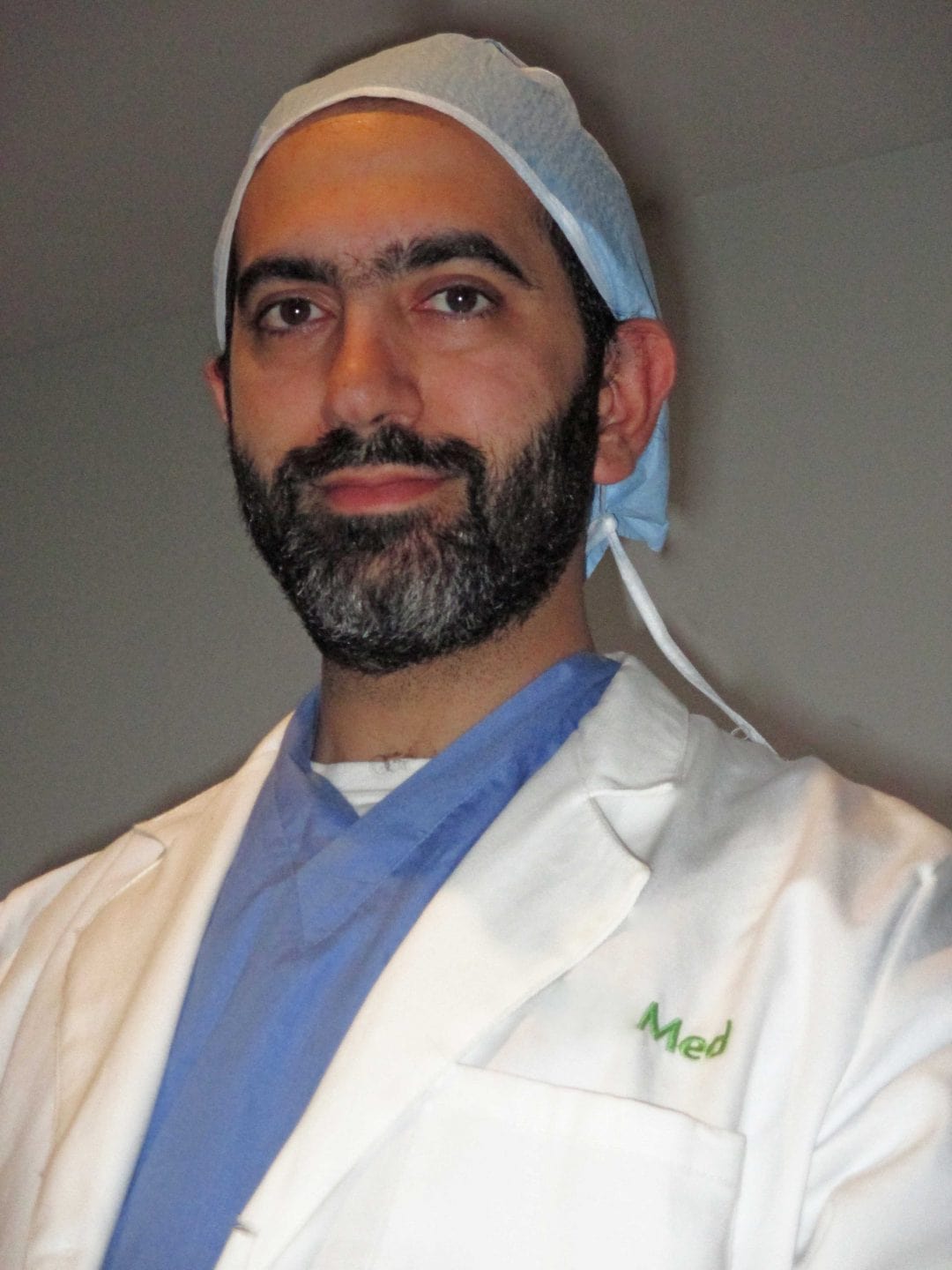
Why Choose Stem Cell & PRP Institute of L.A.
- Specialized Expertise: Dr. Nourparvar combines training in regenerative medicine with experience treating complex chronic pain conditions
- Precision Image Guidance: advanced ultrasound and fluoroscopic techniques ensure accurate nerve targeting for optimal results
- Evidence-Based Protocols: treatment approaches informed by the latest peer-reviewed research on regenerative therapies for neuropathic pain
- Comprehensive Care: coordination with pelvic floor physical therapists, pain specialists, and other providers for integrated treatment
- Compassionate Understanding: we recognize the profound impact of chronic pelvic pain and provide supportive, patient-centered care
Stem Cell & PRP Institute of L.A.
Premier center for regenerative medicine under the leadership of Dr. Padra Nourparvar, a nationally recognized, double board-certified physician with advanced medical training from UCLA, UC Irvine, NYU, and Mount Sinai, we specialize in cutting-edge stem cell therapies designed to restore function, reduce inflammation, and elevate long-term quality of life.
Dr. Nourparvar has received numerous accolades, including the UCLA Vice Provost Prize for Best Research Article of the Year and the Motif Award for Advancement of Health from The Walt Disney Company. With over a decade of experience treating conditions such as kidney failure, stroke, Parkinson’s disease, and more, he brings a rare combination of technical skill and human compassion to every patient encounter.
Find Relief in Beverly Hills
Living with pudendal neuralgia can feel overwhelming, but you don’t have to navigate this journey alone. If you’ve struggled with chronic pelvic nerve pain and are seeking advanced treatment options, Dr. Padra Nourparvar and the team at Stem Cell & PRP Institute of L.A. are here to help. Schedule a consultation at our Beverly Hills clinic to explore whether regenerative therapy may offer the relief you’ve been searching for.