
Chronic migraines and debilitating headaches affect over 15% of the population, ranking as the most common nervous system disorder worldwide. For patients who have exhausted conventional treatments, advanced injection therapies targeting the peripheral nerves offer a path toward meaningful relief. The Stem Cell & PRP Institute of L.A. in Beverly Hills combines proven techniques — including greater occipital nerve (GON) blocks and Botox Map injections — with cutting-edge regenerative medicine to address both immediate symptoms and underlying nerve dysfunction.
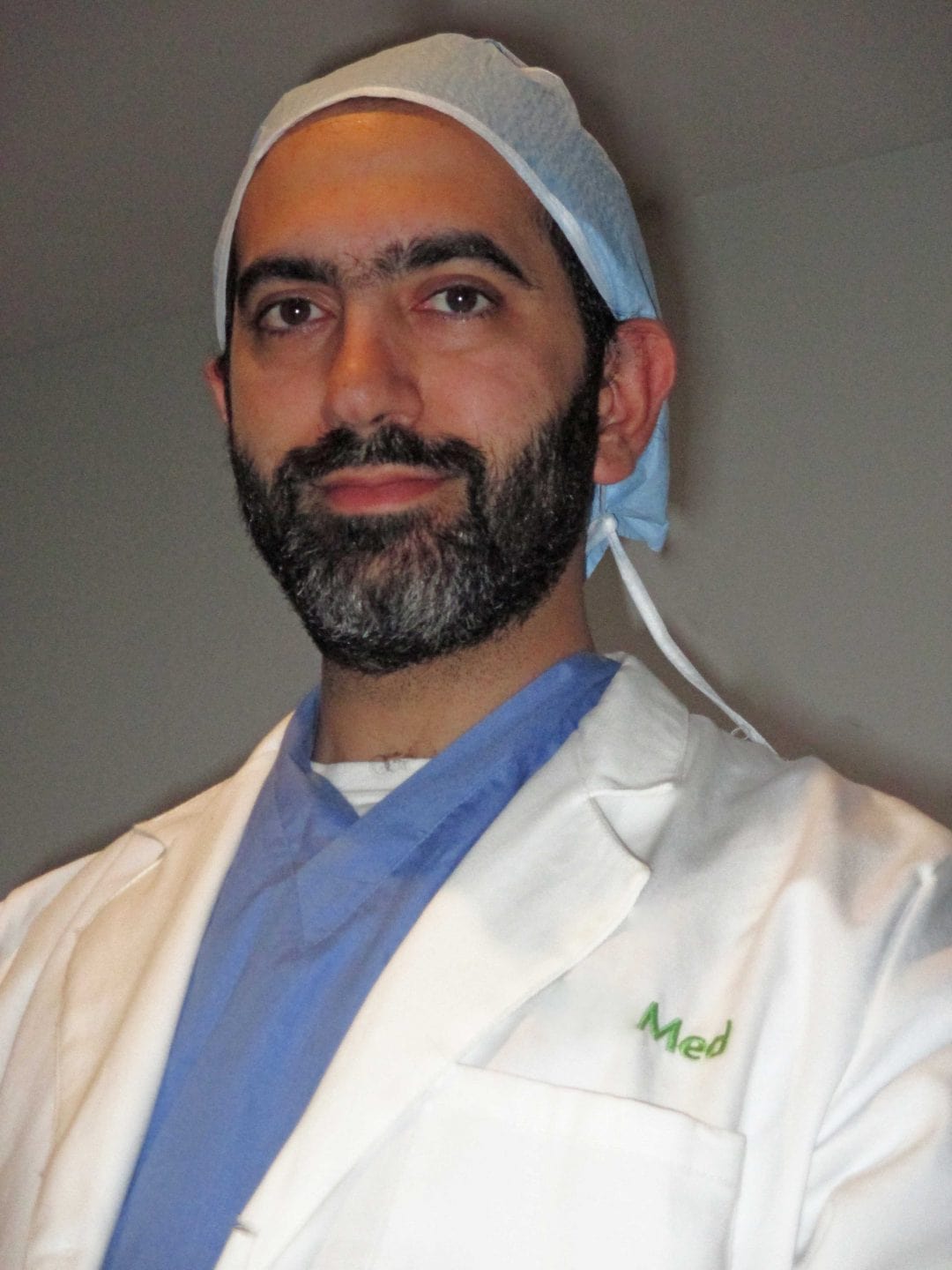
Dr. Padra Nourparvar, a board-certified physician with advanced training from UCLA, Mount Sinai, NYU, and UC Irvine, brings expertise in ultrasound-guided injection techniques and regenerative protocols to patients suffering from chronic migraines, occipital neuralgia, cluster headaches, and cervicogenic headaches. By integrating PRP, stem cells, and exosomes into established nerve block protocols, our clinic offers extended relief that traditional steroid injections alone cannot achieve.
Amazing doctor and kind and caring staff. After my stem shot injections I had minimal pain and swelling. Highly recommend this office!

Understanding the Greater Occipital Nerve and Its Role in Headache Disorders
The greater occipital nerve (GON) originates from the C2 and C3 spinal nerves in the upper cervical spine and travels upward to provide sensation to the back of the head, from the base of the skull to the top of the scalp. This nerve plays a critical role in headache disorders because of its anatomical connection to the trigeminal nucleus caudalis — a region in the brainstem where pain signals from the face and head converge and are processed.
When the GON becomes irritated, compressed, or inflamed, it can trigger or intensify headache pain through a phenomenon called trigeminocervical convergence. This explains why many patients with migraines experience pain that radiates from the back of the head toward the eyes and temples — and why targeting the GON can provide relief for multiple headache types.
Conditions Treated with GON-Targeted Therapies
- Chronic Migraine: 15 or more headache days per month with migraine features
- Occipital Neuralgia: sharp, shooting pain originating from the base of the skull
- Cervicogenic Headache: headaches arising from dysfunction in the cervical spine
- Cluster Headache: severe, recurring headaches typically occurring on one side
- Post-Traumatic Headache: chronic headaches following head or neck injury


Traditional Greater Occipital Nerve Block
A GON block involves injecting anesthetic medication — with or without corticosteroids — near the greater occipital nerve at the back of the head. The injection site is typically located at the medial third of the distance between the occipital protuberance (the bony bump at the back of the skull) and the mastoid process (behind the ear). When successful, pain typically improves within 20 to 30 minutes as the anesthetic takes effect.
Research published in Clinical Neurology and Neurosurgery and Cephalalgia demonstrates that GON blocks can achieve significant pain relief in 80-90% of patients, with effects lasting from several days to several months depending on the individual. The procedure is particularly valuable for patients who cannot tolerate oral preventive medications, are pregnant, or need rapid relief during a prolonged migraine attack.
Botox Map Injection Protocol for Chronic Migraine
OnabotulinumtoxinA (Botox) received FDA approval for chronic migraine prevention in 2010 following the landmark PREEMPT clinical trials. The treatment protocol — known as the Botox Map or PREEMPT protocol — involves 31 injections totaling 155 units across seven specific muscle groups in the head and neck. Each injection delivers 5 units of Botox to precisely targeted sites.
The seven muscle areas include the frontalis (forehead), corrugator (between eyebrows), procerus (bridge of nose), occipitalis (back of head), temporalis (temples), trapezius (shoulders), and cervical paraspinal muscles (back of neck). Additional “follow-the-pain” injections may be added based on individual symptom patterns, bringing the total to up to 195 units in 39 sites.
“The Botox Map protocol targets the peripheral nerves that transmit pain signals to the brain,” explains Dr. Nourparvar. “By blocking the release of neurotransmitters involved in pain transmission, we can reduce both the frequency and severity of chronic migraines. When combined with regenerative therapies, we aim for longer-lasting results and actual repair of irritated nerve tissue.”
Enhancing Nerve Block Therapy with Regenerative Medicine
While traditional GON blocks provide temporary relief and Botox offers prevention lasting approximately 12 weeks, regenerative therapies aim to address the underlying nerve irritation and inflammation that perpetuate chronic headache disorders. The Stem Cell & PRP Institute of L.A. offers three regenerative approaches that can be integrated with nerve block protocols.
Platelet-Rich Plasma (PRP) for Nerve Regeneration
PRP therapy utilizes concentrated platelets from your own blood to deliver growth factors directly to irritated or damaged nerves. Research has demonstrated that PRP promotes nerve healing through multiple mechanisms: encouraging local blood vessel formation (angiogenesis), inhibiting inflammatory cytokines, recruiting stem cells and fibroblasts to the treatment site, and inducing the production of growth factors essential for tissue repair.
Clinical trials registered on ClinicalTrials.gov are currently evaluating ultrasound-guided PRP injections for greater occipital neuralgia, with preliminary data suggesting longer duration of relief compared to traditional steroid injections. Animal and laboratory studies have shown PRP’s ability to support nerve remyelination, axonal regeneration, and functional neurological recovery.
Stem Cell Therapy for Chronic Headache Disorders
Mesenchymal stem cells (MSCs) offer powerful anti-inflammatory and regenerative properties that may address the neurogenic inflammation underlying chronic migraines. A study published in Headache evaluated stem cell therapy in 24 patients with cervicogenic headaches and occipital neuralgia, finding a good clinical response in 79.2% of cases, with significant reductions in disability scores, pain levels, and need for medication.
Additional research has shown that autologous adipose-derived stem cells injected into the temporalis, occipitalis, neck, and trapezius muscles — the same regions targeted by Botox Map protocol — can produce meaningful improvements in patients with refractory chronic migraines who have failed multiple preventive medications and even Botox injections.
Exosome Therapy for Neural Support
Exosomes — tiny extracellular vesicles derived from mesenchymal stem cells — represent the newest frontier in regenerative treatment for headache disorders. These cell-free particles contain growth factors, mRNA, and proteins that can modulate inflammation and support nerve repair without the need for direct cell transplantation. Exosomes offer a particularly attractive option for patients seeking regenerative benefits with minimal procedural complexity.
What to Expect During Treatment
Treatment at the Stem Cell & PRP Institute of L.A. begins with a comprehensive evaluation of your headache history, previous treatments, and diagnostic imaging when indicated. Dr. Nourparvar uses high-resolution ultrasound guidance to ensure precise delivery of therapeutic agents to the greater occipital nerve and surrounding structures — a level of accuracy that enhances safety and effectiveness compared to landmark-based techniques.
Based on your individual presentation, treatment may include traditional GON blocks for immediate relief, Botox Map injections following the PREEMPT protocol for ongoing prevention, PRP injections to the occipital nerve region for extended healing, stem cell or exosome therapy for refractory cases or enhanced regeneration, and combination protocols tailored to your specific headache pattern. Most procedures are performed on an outpatient basis with minimal discomfort and no downtime. Patients typically return to normal activities the same day.

Frequently Asked Questions About GON Block and Botox Map Injection Therapy
-
Traditional GON blocks with anesthetic provide relief lasting from several hours to several days. When combined with steroids, effects may last weeks to months. PRP and stem cell-enhanced GON treatments aim to provide longer-lasting benefits by promoting actual nerve repair rather than temporary blocking.
-
The standard Botox protocol for chronic migraine involves treatments every 12 weeks. Clinical studies show that Botox prevents an average of 8-9 headache days per month compared to 6-7 with placebo. Some patients may need fewer treatments when regenerative therapies are incorporated into their care plan.
-
Most patients describe the injections as brief pinches. For GON blocks, Dr. Nourparvar uses ultrasound guidance to minimize discomfort and improve accuracy. Botox Map injections use very fine needles and typically take only 10-15 minutes to complete. Local anesthetic can be applied if needed.
-
For some patients, PRP or stem cell therapy may reduce dependence on Botox by addressing underlying nerve inflammation. However, many patients benefit most from a combined approach. Dr. Nourparvar develops individualized protocols based on your response and treatment goals.
-
Botox for chronic migraine is FDA-approved and often covered by insurance for qualifying patients. Traditional GON blocks may also be covered. Regenerative therapies including PRP, stem cells, and exosomes are generally considered investigational and are not typically covered. Our clinic offers transparent pricing and flexible payment options.
-
Patients with chronic migraines (15+ headache days monthly), occipital neuralgia, cervicogenic headaches, or cluster headaches who have not responded adequately to oral medications may be excellent candidates. A thorough evaluation will determine which combination of therapies is most appropriate for your condition.

Why Choose the Stem Cell & PRP Institute of L.A.
- Advanced Imaging Guidance: all nerve block procedures performed under ultrasound guidance for precision and safety
- Comprehensive Treatment Options: access to traditional nerve blocks, Botox, PRP, stem cells, and exosomes under one roof
- Research-Driven Protocols: treatment approaches informed by peer-reviewed studies and clinical trial evidence
- Board-Certified Expertise: Dr. Nourparvar brings specialized training from UCLA, Mount Sinai, NYU, and UC Irvine to every procedure
- Personalized Care Plans: individualized protocols designed around your specific headache pattern and treatment history
Stem Cell & PRP Institute of L.A.
Premier center for regenerative medicine under the leadership of Dr. Padra Nourparvar, a nationally recognized, double board-certified physician with advanced medical training from UCLA, UC Irvine, NYU, and Mount Sinai, we specialize in cutting-edge stem cell therapies designed to restore function, reduce inflammation, and elevate long-term quality of life.
Dr. Nourparvar has received numerous accolades, including the UCLA Vice Provost Prize for Best Research Article of the Year and the Motif Award for Advancement of Health from The Walt Disney Company. With over a decade of experience treating conditions such as kidney failure, stroke, Parkinson’s disease, and more, he brings a rare combination of technical skill and human compassion to every patient encounter.
Schedule Your Consultation in Beverly Hills
Living with chronic migraines or debilitating headaches impacts every aspect of daily life – from work productivity to time with family. If conventional medications have failed to provide adequate relief, advanced injection therapies combining nerve blocks, Botox, and regenerative medicine may offer the breakthrough you need. Dr. Padra Nourparvar and the team at the Stem Cell & PRP Institute of L.A. are committed to helping patients reclaim their quality of life through personalized, evidence-based treatment. Contact our Beverly Hills clinic today to schedule your comprehensive headache evaluation and discover which combination of therapies is right for you.