
Understanding Stem Cell Therapy: IV vs. Local Injection, Best Age to Start, and More
Stem Cell Therapy FAQs: What Patients Need to Know
At Dr. Nourparvar’s regenerative clinic, patients often have questions about how stem cell therapy works, what delivery method is best, and what type of stem cells are safest. Below, we answer some of the most common questions to help and inform you about potential choices regarding your health.
IV Stem Cell vs. Local Injection: Which is Better?
Short answer: Local injection is usually the superior choice for musculoskeletal problems.
When stem cells are directly injected into the affected joint or tissue, the concentration of regenerative cells is 200 to 500 times higher than when administered through an IV. This means more potent healing, faster results, and better outcomes.
However, some clinics that lack licensed physicians to perform advanced, ultrasound-guided injections may push patients toward IV stem cell therapy, even when it’s not the best option. At our clinic, Dr. Nourparvar performs all direct injections himself, ensuring precise targeting and optimal results.
When Do We Use IV Stem Cell Therapy?

While IV stem cell therapy has its place, it’s usually best for systemic or neurological conditions. Here’s when IV is helpful:
- Autoimmune disorders (e.g., suspected rheumatoid arthritis) to help modulate the immune system
- Neurological issues like multiple sclerosis, post-stroke recovery, Parkinson’s disease, or ALS
- Chronic inflammatory conditions affecting multiple systems
- Long COVID symptoms or chronic fatigue syndrome
- As a complementary approach to local injections when both localized damage and systemic inflammation are present
Local Injections We Offer
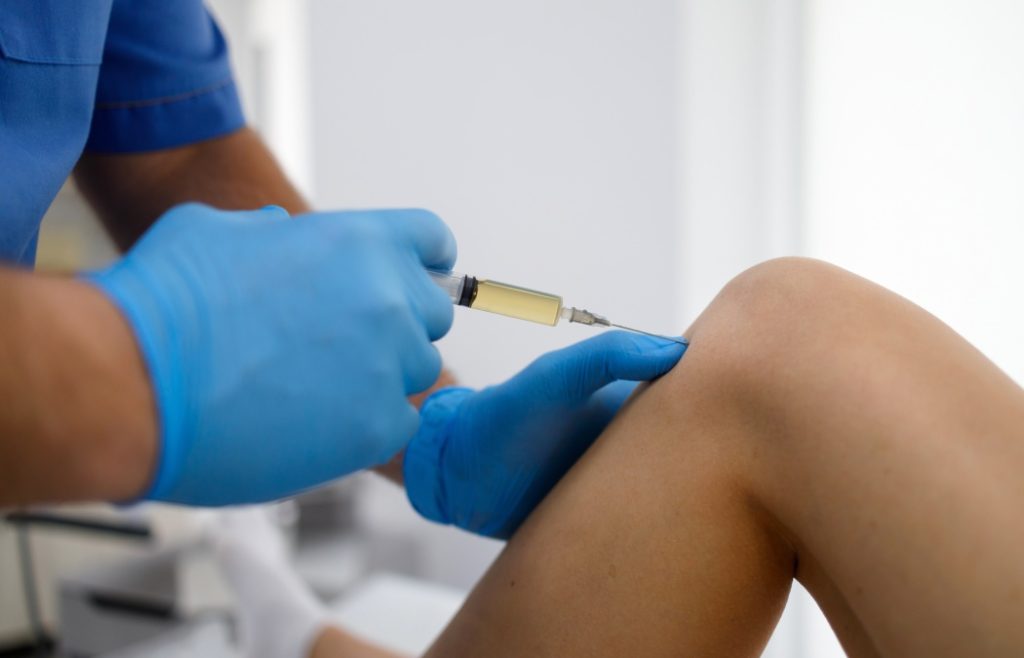
We provide a wide range of targeted stem cell injections, including:
- Knee joint (meniscus tear, arthritis)
- Shoulder (rotator cuff tears, etc.)
- Hip joint
- Spine (facet joints, discs)
- SI joints
- Tendons and ligaments
- Ear area (for TMJ, tinnitus-related issues, etc.)
- Elbow (tennis elbow, etc.)
- Ankle, foot, and hand joints
Schedule a consultation with Dr. Nourparvar to determine the best injection approach tailored to your condition.
Is It Better to Do Stem Cell Therapy When You’re Younger?
Yes — earlier is better.
The sooner you address tissue degeneration, the better your chances of preventing irreversible damage. Younger patients generally have a more robust response, and earlier treatment may prevent the need for surgeries later on.
Undergoing stem cell therapy at a younger age can offer significantly better outcomes because the body’s natural regenerative capacity is stronger and more responsive in youth. When you’re younger, your immune system is more balanced and less likely to overreact to cellular therapies, allowing umbilical cord-derived stem cells—known for their high potency and low immunogenicity—to work more effectively. These stem cells help regulate inflammation, repair damaged tissue, and stimulate the body’s own healing mechanisms, which tend to be more robust in younger individuals.
Moreover, younger patients often have less severe or less advanced damage in joints, soft tissue, or spinal discs, making them more responsive to regenerative interventions. In these cases, stem cells can more easily integrate with existing healthy tissue, accelerate repair, and potentially reverse or halt disease progression.
Using stem cells earlier in life also offers the opportunity to prevent chronic degeneration from worsening. For conditions like early arthritis, ligament damage, or mild disc herniation, early treatment with regenerative medicine can protect the tissue, reduce inflammation, and preserve long-term mobility—potentially avoiding surgeries later in life. The therapy becomes not just reactive, but proactively protective, giving patients a chance to maintain high physical performance and a pain-free lifestyle well into older age.
In short, while stem cell therapy can benefit patients of all ages, starting younger leverages the body’s natural healing systems. It’s a strategic approach to aging—treating issues early, preventing further damage, and maintaining vitality for the future.
Even if you’re not “young,” starting treatment before the condition worsens can make a major difference in outcomes.
Which Stem Cell Source Is Best: Fat, Bone Marrow, Umbilical Cord, or Overseas Options?
We offer all three major sources (adipose (fat) tissue-derived stem cells, bone marrow stem cells, and umbilical cord-derived stem cells) at our clinic, and each has its place depending on your condition, age, and preference. However, umbilical cord stem cells have several key advantages:
Benefits of Umbilical Cord Stem Cells:
- Youthful source – harvested from healthy newborn tissue
- Contain hyaluronic acid (HA) – great for joint lubrication
- Contain collagen – supports tissue rebuilding
- Minimally invasive – no fat or bone marrow extraction needed
- Potentially better genetics – screened for health and potency
What About Stem Cells From Overseas?
Be cautious. Many out-of-country clinics lack regulation and oversight, increasing the risk of:
- Contaminated products
- False labeling
- Genetically unstable or lab-expanded stem cells that are less potent or unsafe
We do not use lab-grown stem cells. All products used at our clinic meet rigorous safety standards and are obtained from FDA-registered laboratories.
Is There a Risk of Rejection?
No. The stem cells we use are immunoprivileged, meaning they are “blank” and do not trigger an immune response. Your body accepts them naturally, with no need for matching or rejection concerns.
How Much Stem Cell Is Enough?
The correct dosage depends on your:
- Condition severity
- Treatment goals
- Age and metabolic activity
- Overall health
While some clinics push high doses, we often see excellent results with lower doses because of Dr. Nourparvar’s precision-guided injection techniques, which place the cells exactly where healing is needed most.
Why Choose Our Clinic?
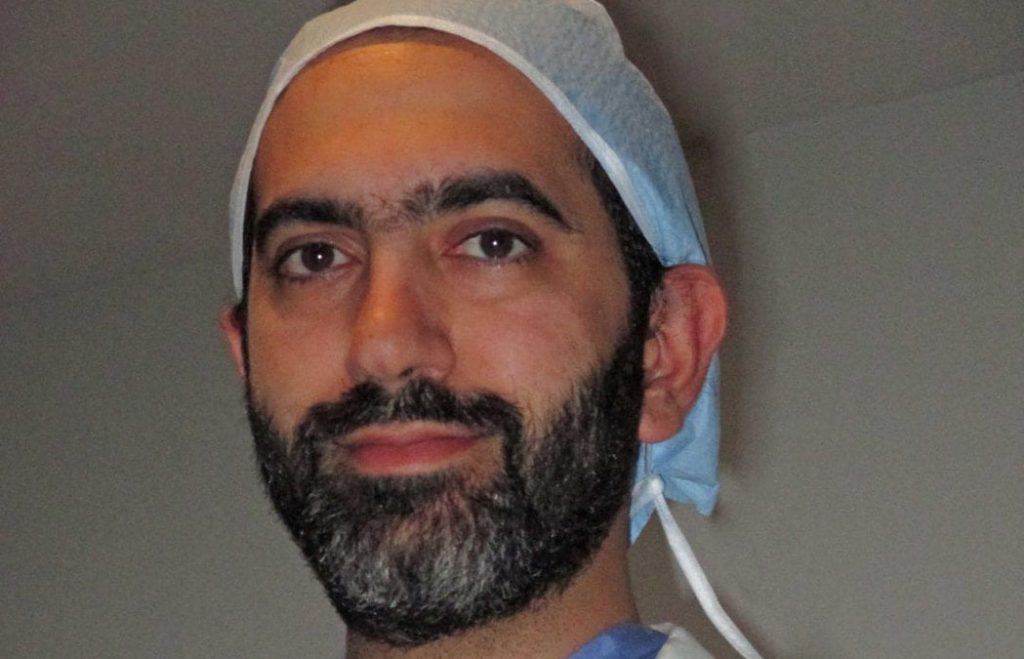
Dr. Nourparvar is a board-certified physician, has over 10 years of experience and has trained at prestigious institutions including NYU, Mount Sinai, UC Irvine, and more. Our clinic also offers both stem cell and regenerative injection options tailored to each patient. Dr. Nourparvar uses ultrasound guidance for accurate, non-surgical treatments.
Ready to Heal Naturally?
Stem cell therapy can help you regain function, reduce pain, and avoid surgery—but only when it’s done right.
Call us today or schedule a consultation online to discuss your condition and discover your best treatment options with Dr. Nourparvar.
Medically reviewed by Padra Nourparvar, DO on
Posted on behalf of
Cedars Sinai Medical Office Towers
8631 West 3rd Street, #545E
Los Angeles, CA 90048
Phone: (310) 361-5480
Mon – Thu: 8:30am – 6:00pm
Friday: 8:30am – 4:30pm