
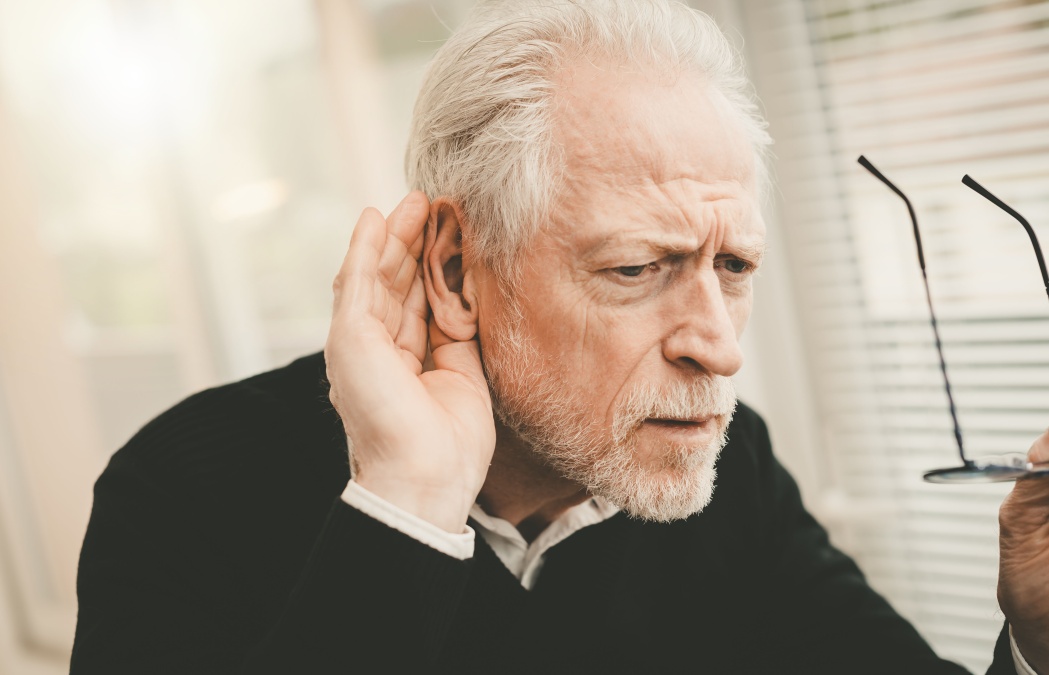
Treating Sensorineural Hearing Loss and Tinnitus using Stem Cell/PRP/ACS
Hearing Loss and Tinnitus: Definitions and Mechanisms
Sensorineural hearing loss (SNHL) occurs when the tiny hair cells of the inner ear or the auditory nerve pathways are damaged. This damage prevents sound signals from reaching the brain as it normally would, causing reduced hearing. Common causes include noise exposure, aging (presbycusis), infections (like meningitis), Meniere’s disease, vascular or autoimmune inner-ear disorders, ototoxic drugs, and acoustic neuromas. For example, autoimmune inner ear disease involves immune attack on cochlear proteins (e.g. β‑tubulin or cochlin), leading to progressive SNHL and tinnitus. In short, anything that causes injury to cochlear hair cells or nerve fibers- from loud noise to microvascular or inflammatory disease- can produce hearing loss and often generates phantom sound perceptions (tinnitus) as the auditory system tries to compensate for lost input. Symptoms of SNHL include difficulty hearing soft sounds, distorted high-frequency sounds (“s” or “th”), trouble following speech (especially in noise), and tinnitus. Tinnitus is often experienced by patients with SNHL and is described as a ringing, whooshing, or buzzing sound in the ears without an external source present. These sounds occur due to the damaged hair cells triggering abnormal neural activity in the auditory cortex. Tinnitus itself can significantly impair quality of life by causing anxiety, sleeplessness, and concentration problems. Tinnitus is a common problem, especially common in older adults. It is estimated that approximately 10 percent of the United States adult population- which is over 25 million Americans– experience some form of tinnitus according to The National Institute on Deafness and Other Communication Disorders (NIDCD). Both SNHL and tinnitus can be chronic, significantly impacting communication, sleep, and quality of life. Thus, most therapies for SNHL aim to recover hearing, as well as, suppress tinnitus if present.
Conventional Treatments
The standard of care for sudden SNHL and related conditions typically begins with corticosteroids. High‑dose oral corticosteroid medication is often given first, based on the belief that many sudden losses involve inflammation. For long-term management of chronic hearing loss or tinnitus, non‑drug therapies are often used. Amplification with hearing aids is essential for most SNHL patients. In cases of severe or profound loss, cochlear implants (electronic implants) can restore significant speech perception – and may even relieve tinnitus in single‑sided deafness. Other supportive measures include assistive listening devices (FM systems, caption phones) and counseling.
Additional conventional treatments include hyperbaric oxygen therapy (HBOT) for acute SNHL. This type of therapy is thought to improve inner‑ear oxygenation and vasodilators/neurotrophics in some centers (though evidence is mixed). For tinnitus specifically, behavioral therapies and neuromodulation are used. Cognitive-behavioral therapy (CBT) is widely recommended to cope with chronic tinnitus. In summary, besides steroids, current treatments focus on amplification (hearing aids/CI), oxygen therapy, and behavioral/neuromodulatory methods, but many patients still have persistent deficits or tinnitus. While helpful for many, these approaches may have limited efficacy—especially in chronic or autoimmune-related cases.
Intratympanic PRP/Stem Cell/Autologous Conditioned Serum Therapies vs. Conventional Treatments
If the response to conventional treatments is poor or to boost local effect, intratympanic injection (injecting through the eardrum into the middle ear) is used. New biologic therapies aim to boost inner‑ear repair rather than just manage symptoms. Platelet-Rich Plasma (PRP), stem cell injections, and Autologous Conditioned Serum therapy (also known as *Regenokine/*Orthokine) (autologous anti‑inflammatory serum) are amongst these therapies. Platelet-Rich Plasma (PRP), stem cells and/or Autologous Conditioned Serum are delivered through intratympanic injections. PRP is made from the patient’s own blood and contains concentrated platelets that release growth factors (like PDGF, VEGF, IGF) to promote tissue repair. Stem cells (usually mesenchymal stem cells) can secrete neurotrophic and anti-inflammatory factors and may differentiate into inner‑ear cell types. Autologous Conditioned Serum (also called Regenokine or Orthokine) is an IL-1 receptor antagonist–rich serum produced by incubating the patient’s blood to increase anti-inflammatory cytokines. All of these are given locally (often via injection) in hopes of regenerating cochlear hair cells/neurons and reducing local inflammation.
The mechanism of action is largely paracrine: PRP and stem cells release growth factors, cytokines and exosomes that can stimulate neuron survival, angiogenesis, and synaptic plasticity in the cochlea. Autologous Conditioned Serum adds additional IL-1Ra and anti-inflammatory cytokines to blunt autoimmune or inflammatory damage. Importantly, delivering these biologics directly to the middle ear bypasses systemic barriers. As one review notes for steroids, intratympanic delivery yields perilymph concentrations ~260 times higher than IV/oral doses (pills). By analogy, intratympanic PRP, Autologous Conditioned Serum, or stem cell injections should likewise achieve much higher local levels of therapeutic factors, with far lower systemic exposure and side effects. For example, a 2022 clinical study found that a single intratympanic PRP injection produced significantly greater audiometric improvement than dexamethasone (corticosteroid medication) in SNHL patients.
Postotic (Postauricular) Injection: A Minimally Invasive Route
Postauricular injection offers another way to deliver these agents locally. In this technique, a needle is inserted through the skin immediately behind the ear (in the postauricular/mastoid region) to inject drugs subperiosteally against the mastoid bone. This avoids puncturing the eardrum entirely, making it less invasive than intratympanic injection. Because the ear canal and drum are not breached, postauricular injections eliminate the risk of tympanic membrane perforation, inner-ear infection, or vertigo caused by middle-ear injection.
Although intratympanic therapy yields more effective results when compared to conventional treatments, it is still considered invasive. Intratympanic injections require puncturing the tympanic membrane (often under local anesthesia), and can cause transient pain, vertigo, or eardrum perforation. Intratympanic shots often cause transient dizziness or ear fullness, and require patients to lie still for 20–30 minutes after injection to allow the steroid to diffuse through the round window. In contrast, postotic injections are considered minimally invasive. The procedure is usually done under local anesthesia or with topical numbing, with the patient sitting up. As one report details, methylprednisolone was injected with a fine needle pressed flat against the mastoid bone about 0.5 cm behind the post-auricular groove, once every 3 days for a series of treatments. Postauricular therapy is generally well-tolerated, with only mild local discomfort reported in some cases.
Evidence for Postauricular Injection Efficacy
Several studies support the effectiveness of postauricular therapy for SNHL. For example, Li et al. (2015) treated 50 sudden deafness patients with subperiosteal methylprednisolone injections every 3 days (5 total injections) and found a 70% overall response rate. Pure-tone thresholds and speech recognition significantly improved after treatment, and no serious side effects were observed.
Importantly, a 2023 meta-analysis of 38 randomized trials (3,600 patients) showed that postauricular injection led to significantly better hearing recovery than systemic steroids alone. The meta-analysis concluded: “Postauricular injection may be a safer and more effective treatment than systemic therapy” for sudden SNHL. In all studies to date, few complications are reported – typically only mild pain or very brief vertigo during injection – and patients can resume normal activity soon after.
By injecting against the periosteum, postauricular therapy still targets the inner ear via vascular and lymphatic channels. It has been used successfully for decades in China as an adjuvant steroid delivery route, and is now being applied to PRP and cell therapies as well. Notably, Chinese treatment guidelines list postauricular injection as an approved salvage treatment for sudden deafness when systemic steroids alone are insufficient.
How Postauricular Injections Reach the Inner Ear
Although the exact pharmacokinetics are still being worked out, studies elucidate how injected treatments spread from the postauricular space into the cochlea. Optical imaging shows that postauricular injections deliver dexamethasone to the inner ear more slowly but more persistently than systemic injection. Peak inner‑ear drug levels were reached later (around 12 hours) and stayed elevated longer (up to 96 hours) after postauricular injection, compared to systemic delivery. Overall the area-under-curve in the cochlea was higher, while blood and organ exposure was lower. In other words, postauricular delivery concentrated the drug in the labyrinth for an extended period, implying enhanced efficacy and reduced systemic risk.
Anatomical studies suggest the following pathways: the posterior auricular artery (branch of the external carotid) and the occipital artery supply the mastoid and nearby tissues; their capillaries and veins (including mastoid emissary veins to the sigmoid sinus) can carry drug into the venous and arterial circulation around the inner ear. From there, the drug may reach the labyrinthine artery via the arterial circle, or flow into the endolymphatic sac via venous connections between the sigmoid sinus and the sac. There is also a stylomastoid artery (from the occipital system) that directly supplies nearby nerve and inner‑ear structures. In short, the injected substance (like PRP, stem cells, or Regenokine) can diffuse into the inner-ear fluids through both arterial and venous routes around the mastoid. The result is higher inner-ear concentration and longer retention of drugs compared to systemic administration, as demonstrated by the optical tracer studies. In the study above, the authors note that “more drugs [from postauricular injection] concentrated in the inner ear for longer therapeutic time, and less systemic delivery implied less risk of side effects.”
Practical Considerations: Injection Scheduling
Protocol typically involves multiple injections over 1–2 weeks. In Li et al.’s study, injections of 40 mg methylprednisolone were given every 3 days for a total of five doses. This spacing allows the drug to maintain elevated inner-ear levels without requiring daily visits. For busy or traveling patients, a “burst” schedule (e.g. every 2–3 days) is practical, whereas local patients might opt for weekly injections depending on physician preference. There are no universal guidelines yet; the optimal frequency likely depends on the agent used (Regenokine/autologous conditioned serum, PRP, stem cells) and patient factors. Generally, 3–6 injections over 2–3 weeks is common in reported series. Between injections patients may resume normal activities. Because systemic steroid exposure is minimal, postauricular therapy can often be repeated even in patients who cannot tolerate oral steroids.
If you’re interested in learning more, we recommend speaking with Dr. Nourparvar at the Stem Cell & PRP Institute of L.A. in Los Angeles, a trusted expert in General & Men’s Health, Pain & Aesthetics. The clinic offers advanced therapies tailored to your unique condition and lifestyle.
IV Stem Cell Therapy as Immune Support for Autoimmune Hearing Loss
In cases where autoimmune inner‑ear disease is suspected, some physicians add systemic stem cell infusions to help rebalance immunity. Intravenous (IV) infusions of mesenchymal stem cells (MSCs) can exert broad immunomodulatory effects – for example, inducing regulatory T cells and anti‑inflammatory cytokines (IL-10) while suppressing Th1/Th17 inflammation.
Dosage: Higher cell doses are thought to increase effect. In clinical stem cell therapies (for e.g. autoimmune or degenerative disorders), protocols often infuse on the order of 10–20 million cells per dose (sometimes even higher) in order to achieve systemic immunomodulation.
Needle-Free Injection Options
To improve patient comfort, novel needle-free injection technologies are being explored for inner‑ear therapy. At the Stem Cell & PRP Institute of L.A. we can use the needle-free technology in combination with any treatment for a much more comfortable patient experience. Such needle-free systems use high-pressure liquid jets or microbubbles to penetrate tissues and could deposit drugs into the postauricular area painlessly. At present, practical administration of these treatments use a very fine needle or tuberculin syringe through anesthetized skin- which can be achieved with our needle-free device.
Final Points
In summary, postauricular subperiosteal injection of biologic therapies offers a compelling balance of efficacy and safety. In practice, studies show that more therapeutic agent enters the inner ear and stays longer after postauricular injection, with correspondingly fewer blood concentrations and side effects. This means patients get the benefit of concentrated local therapy – whether PRP growth factors, Regenokine, or cells – without having to tolerate the downsides of systemic drugs.
Growing evidence supports postauricular injection as an effective alternative to intratympanic or systemic therapy. Comparative trials and meta-analyses find it more convenient and more effective than oral steroids. Mechanistic studies explain why it works: the drugs travel via known vascular pathways to “soak” the inner ear while largely skipping the rest of the body. For patients, this translates into higher cochlear drug concentration and longer action, with fewer systemic effects. When combined with high-dose IV stem cells for immune support, and potentially needle-free delivery systems for comfort, postauricular biologic injection represents a promising frontier in treating refractory hearing loss and tinnitus.
If you’re interested in learning more about these treatments, we recommend speaking with Dr. Nourparvar at the Stem Cell & PRP Institute of L.A. in Los Angeles, a trusted expert in General & Men’s Health, Pain & Aesthetics. Our clinic offers advanced therapies tailored to your unique condition and lifestyle.
📞 Call us today at (310) 361-5480 to book your appointment or click here to schedule a consultation.
Disclaimer: This blog is for informational purposes only and does not constitute medical advice. Always consult a qualified healthcare provider before beginning any new treatment.
*Trademark Disclaimer
Stem Cell & PRP Institute of L.A. and Dr. Nourparvar are not affiliated with, endorsed by, or sponsored by Orthogen AG, Regenokine®, or Orthokine®.
Regenokine® and Orthokine® are registered trademarks of Orthogen AG. Any references to these therapies on our website are for informational purposes only and do not imply any partnership, ownership, or official association with the trademark holders.
Our clinic offers regenerative medicine treatments that may be similar in concept, such as autologous serum or cytokine-based therapies, but we do not claim to offer Regenokine® or Orthokine® specifically.
Medically reviewed by Padra Nourparvar, DO on
Posted on behalf of
Cedars Sinai Medical Office Towers
8631 West 3rd Street, #545E
Los Angeles, CA 90048
Phone: (310) 361-5480
Mon – Thu: 8:30am – 6:00pm
Friday: 8:30am – 4:30pm