Stem Cell & PRP Therapy for Rotator Cuff Tear: A Non-Surgical Alternative
Understanding the Rotator Cuff Tear: Symptoms, Causes, and Conventional Treatments
A rotator cuff tear is one of the most common musculoskeletal injuries affecting adults, particularly those over age 40 or individuals with repetitive overhead arm motions, such as athletes and manual laborers. The rotator cuff is a group of four muscles and tendons that stabilize the shoulder joint and allow for lifting and rotational movements. Tears in this structure can be painful, debilitating, and significantly affect quality of life.
What Is a Rotator Cuff Tear?
A rotator cuff tear occurs when one or more of the rotator cuff tendons are torn, either partially or completely, due to trauma, degeneration, or overuse. Tears can be acute (from a sudden injury) or chronic (due to wear and tear over time).
Muscles and Tendons Commonly Involved in Rotator Cuff Tears, Tendinitis, and Tendinosis
The shoulder joint is one of the most complex and mobile joints in the human body, making it highly susceptible to injuries such as tears, tendinitis, and tendinosis. While the rotator cuff is the most well-known structure involved, other nearby muscles and tendons can also be affected.
1. Rotator Cuff Muscles & Tendons (Primary)
These four muscles stabilize the shoulder and are most frequently involved in tears and degeneration:
- Supraspinatus:
Most commonly torn rotator cuff tendon. It allows for lifting the arm outward (abduction). Tears or tendinosis here often cause pain during overhead activity or at night. - Infraspinatus:
Provides external rotation of the shoulder. Can develop tendinitis, particularly in overhead athletes like pitchers and swimmers. - Teres Minor:
Assists with external rotation and stabilization. Rarely torn in isolation but can be affected in combination tears. - Subscapularis:
Enables internal rotation of the shoulder. Tears may lead to weakness when tucking in a shirt or reaching behind the back.
2. Other Shoulder and Upper Arm Muscles Often Affected
- Deltoid:
While not part of the rotator cuff, overuse or compensation due to a cuff injury can cause strain or inflammation in the deltoid. - Biceps Brachii (Long Head of the Biceps Tendon):
Runs through the bicipital groove of the humerus and inserts near the rotator cuff. Prone to tendinitis, subluxation, or tears—often coexisting with rotator cuff injuries. - Pectoralis Major and Minor:
Can be involved in tendon inflammation or strain, particularly in weightlifters or during high-force activities. - Teres Major:
A muscle used in internal rotation and adduction. Less commonly injured, but can become overworked in shoulder instability or compensatory movement patterns. - Latissimus Dorsi:
A large muscle involved in arm extension and internal rotation. Chronic overuse can lead to tendinitis at its insertion point near the shoulder. - Trapezius (Upper, Middle, Lower Fibers):
While primarily a stabilizer of the scapula, dysfunction or overuse of the trapezius—especially in people with poor posture—can lead to secondary shoulder pain and dysfunction. - Rhomboids (Major and Minor):
Important in scapular retraction and posture. May develop myofascial pain or strain in response to shoulder imbalance. - Levator Scapulae:
Assists in scapular elevation and rotation. Chronic tension here often leads to neck and shoulder pain.
3. Conditions Commonly Affecting These Muscles and Tendons
- Tendinitis:
Acute inflammation of a tendon due to overuse or trauma. Typically painful and tender to touch. - Tendinosis:
A chronic, degenerative condition where the tendon undergoes microscopic breakdown. Unlike tendinitis, it lacks inflammation and tends to result from repetitive strain over time. - Tears:
Can range from microtears to partial or full-thickness tendon ruptures, particularly in the rotator cuff or biceps tendon.
Common Symptoms
Common symptoms include: pain (especially when lifting or rotating the arm), weakness in the shoulder, limited range of motion, night pain (particularly when lying on the affected shoulder), and crackling or popping sensations with movement.
According to the American Academy of Orthopaedic Surgeons (AAOS), approximately 2 million people in the U.S. visit their doctors each year due to rotator cuff-related issues.
Conventional Treatments for Rotator Cuff Tear
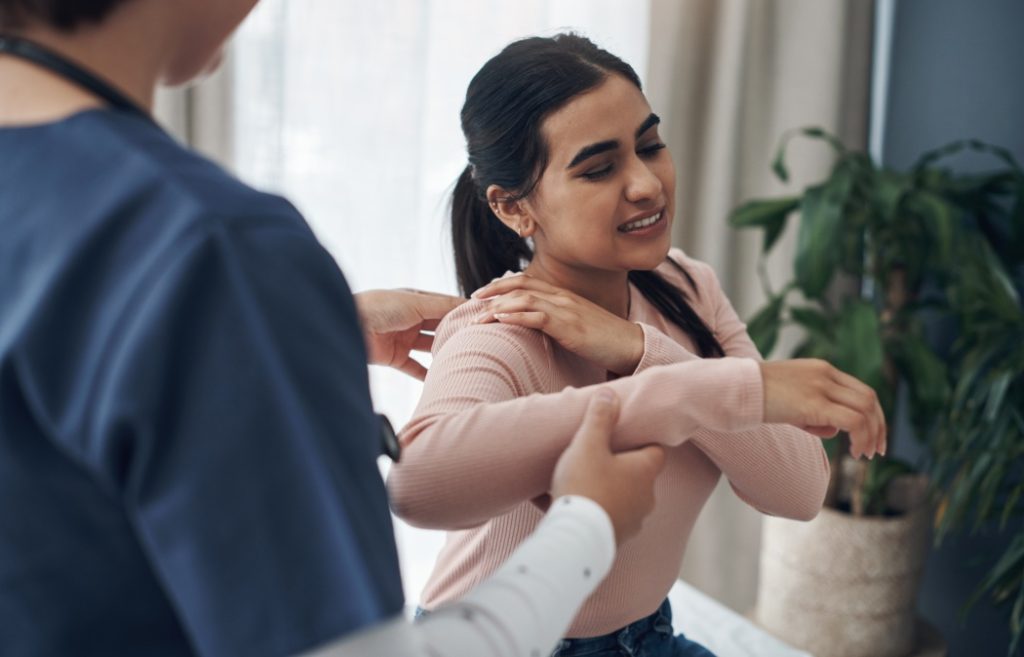
Traditionally, treatment for a rotator cuff tear includes:
- Physical Therapy: To strengthen surrounding muscles and improve range of motion
- Corticosteroid Injections: Temporary relief of inflammation and pain
- Pain Medications: NSAIDs such as ibuprofen or naproxen
- Surgery: Arthroscopic tendon repair or open surgery for larger tears
While surgery is effective for some, it also has risks such as infection, stiffness, prolonged recovery time (up to 6-12 months), and not all patients regain full function post-surgery.
A Modern Approach: Stem Cell and PRP Therapy for Rotator Cuff Tears
At the Stem Cell & PRP Institute of Los Angeles, we offer a cutting-edge, non-surgical solution to rotator cuff tears—regenerative medicine through Stem Cell and Platelet-Rich Plasma (PRP) therapy.
What Is PRP Therapy?
PRP involves drawing a small amount of the patient’s blood, processing it to concentrate platelets, and injecting it into the injured area. Platelets contain growth factors that stimulate healing, reduce inflammation, and improve tissue regeneration.
- Mechanism of Action: PRP works by releasing growth factors like PDGF, TGF-β, and VEGF, which promote cellular repair and new blood vessel formation.
- Applications for Rotator Cuff: PRP has been shown to accelerate healing in partial tendon tears and improve pain and function.
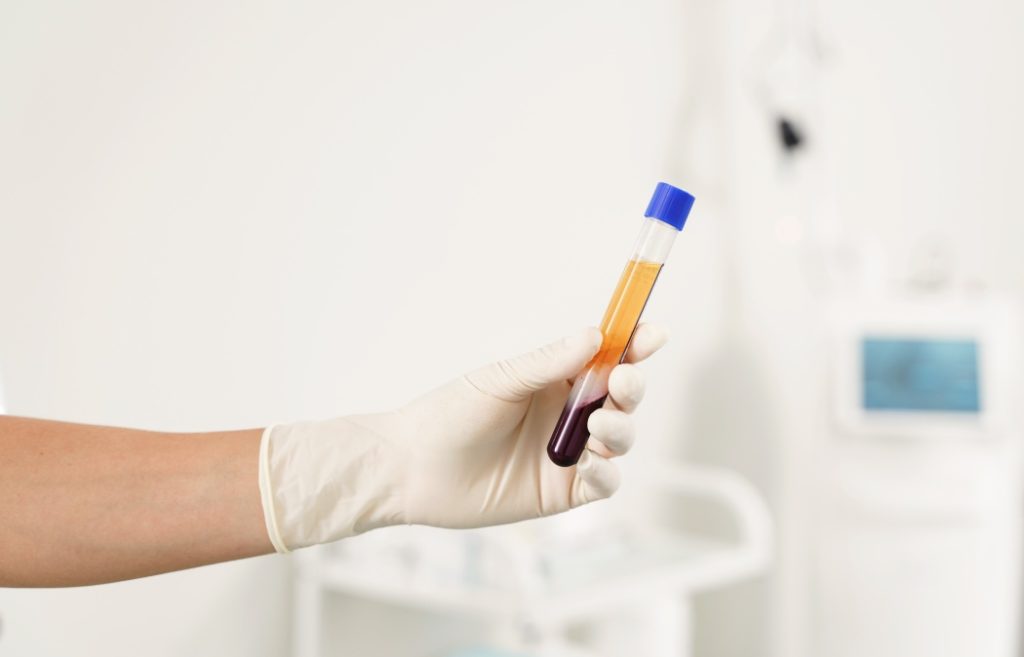
Platelet-Rich Plasma (PRP)
- Hurley ET, et al. (2020) conducted a comprehensive systematic review and meta-analysis titled “Platelet-Rich Plasma Versus Corticosteroid Injection for the Management of Rotator Cuff Disease” published in The American Journal of Sports Medicine. This analysis pooled data from multiple randomized controlled trials and found that PRP provided significantly better long-term outcomes in both pain reduction and functional improvement compared to corticosteroid injections. While corticosteroids can temporarily reduce inflammation, PRP works to promote true tissue healing by delivering concentrated growth factors directly to the damaged tendon tissue. The meta-analysis showed that PRP provided superior pain relief and improved shoulder function compared to corticosteroids.
- Another clinical trial by Rha DW, et al. (2013) showed that patients who received PRP injections for rotator cuff tendinopathy experienced superior improvements in shoulder pain and function at both 6 and 12 weeks compared to those receiving dry needling alone. This supports the hypothesis that PRP not only stimulates tissue repair but also accelerates recovery time.
These studies collectively support PRP as a biologically active, non-surgical intervention that can restore shoulder health and delay or eliminate the need for surgery in appropriate patients.
What Is Stem Cell Therapy?
Stem cell therapy involves harvesting regenerative cells from a patient’s fat (Adipose Tissue), bone marrow, or donated umbilical cord tissue. These cells are then injected directly into the damaged tendon under ultrasound or fluoroscopic guidance.
- Types We Use at Our Clinic:
- Adipose-derived Mesenchymal Stem Cells
- Bone Marrow-Derived Stem Cells
- Umbilical Cord Stem Cells (Allogenic)
- Mechanism of Action: These stem cells reduce inflammation, stimulate local repair, and differentiate into tendon-like cells to promote regeneration.
Stem Cell Therapy
Stem cell therapy, especially with mesenchymal stem cells (MSCs) derived from bone marrow, adipose tissue, or umbilical cord sources, has shown remarkable potential in repairing tendon injuries and restoring function in the shoulder joint.
- Kim YS, et al. (2017) published a prospective clinical study in The American Journal of Sports Medicine titled “Clinical Outcomes of Mesenchymal Stem Cell Injection With Arthroscopic Debridement in Partial-Thickness Rotator Cuff Tears”. The researchers observed that patients who received autologous adipose-derived MSCs in combination with arthroscopic debridement experienced superior clinical outcomes and significant reductions in pain scores compared to patients undergoing surgery alone. The beneficial effects persisted for up to 2 years post-procedure, indicating that stem cells may contribute to long-term tendon regeneration rather than just symptom management.
- A randomized controlled trial by Jo CH, et al. (2018) published in Stem Cells Translational Medicine also validated the efficacy of umbilical cord-derived MSCs in treating degenerative shoulder tendinopathy. This study found that MSC-treated patients had improved tendon quality on MRI and significant pain reduction and strength restoration at 6 and 12 months.
- In another landmark study, Hernigou P, et al. (2014) explored the effects of bone marrow–derived MSCs injected at the site of rotator cuff repair. The study, published in International Orthopaedics, demonstrated that patients treated with MSCs had a healing rate of 87%, compared to just 44% in the control group. Even more compelling, the re-tear rate dropped dramatically in the stem cell group, suggesting that biological augmentation with MSCs not only accelerates recovery but also enhances long-term structural integrity of the tendon.
Why This Matters
These studies validate the growing consensus in orthopedic and sports medicine: Regenerative therapies like PRP and stem cell injections are not just experimental—they are clinically effective tools that can reduce pain, restore function, and promote healing without surgery. Particularly in the case of partial-thickness rotator cuff tears, where traditional surgery might be excessive and conservative care may fall short, these biologic treatments provide a powerful alternative that repairs rather than replaces.
At our clinic, Dr. Nourparvar carefully selects the best type of regenerative therapy based on injury severity, patient health, and desired outcomes, often using ultrasound-guided precision injections to ensure the biologic materials are delivered exactly where they are needed—maximizing healing potential while minimizing downtime.
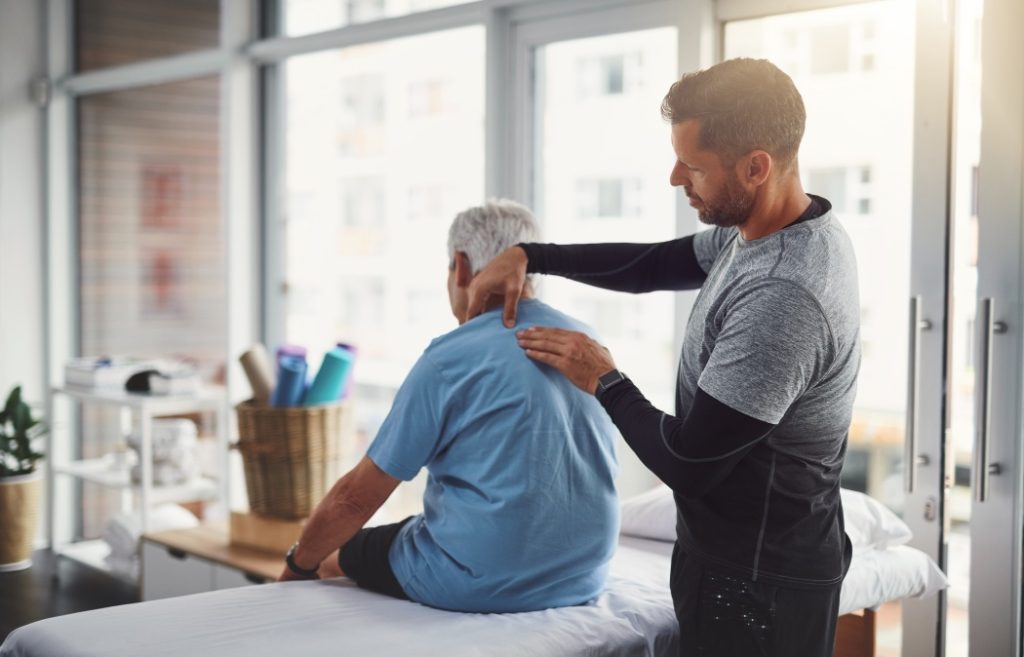
Why Choose Dr. Nourparvar?
Dr. Padra Gad Nourparvar, has over 10 years of experience in regenerative medicine and non-surgical orthopedic care. He holds a medical degree from the New York College of Osteopathic Medicine and is a proud graduate of UCLA. His postgraduate training spans some of the nation’s most prestigious institutions, including UCLA, UC Irvine, Mount Sinai, NYU Langone’s Rusk Rehabilitation, Children’s Hospital Los Angeles (CHLA), NYC Health + Hospitals/Bellevue, and Montefiore/Albert Einstein College of Medicine.
Dr. Nourparvar specializes in Pain Management, Non-surgical Orthopedics, and Physical Medicine & Rehabilitation (PM&R). His expertise includes ultrasound- and X-ray-guided joint and tendon injections, regenerative medicine, and comprehensive musculoskeletal diagnostics. He is also a Qualified Medical Evaluator (QME) for work-related injuries, with deep training in osteopathic and orthopedic evaluation in addition to the standard medical curriculum.
Unlike many providers who rely solely on imaging, Dr. Nourparvar integrates hands-on musculoskeletal and osteopathic assessments with imaging to accurately pinpoint the root cause of pain, avoiding unnecessary procedures and surgeries. His background includes treatment of professional athletes and he is multilingual in four languages, allowing him to connect meaningfully with a diverse patient population.
Our clinic uses the latest in portable ultrasound technology, which enables point-of-care diagnostics, 3D imaging, and a single probe that adapts to multiple uses, ensuring a safe, accurate, and minimally invasive treatment experience.
Shockwave Therapy for Rotator Cuff Tears
In addition to regenerative treatments like stem cell and PRP therapy, Shockwave Therapy is another powerful non-surgical modality we offer at the Stem Cell & PRP Institute of Los Angeles for patients with rotator cuff tears. Shockwave therapy, also known as extracorporeal shockwave therapy (ESWT), involves the application of acoustic waves to targeted areas of damaged tissue. These high-energy waves stimulate the body’s natural healing processes by increasing blood flow, reducing inflammation, breaking down calcifications, and promoting collagen regeneration in tendons and soft tissue. For patients with partial rotator cuff tears, tendinosis, or chronic shoulder pain, shockwave therapy has shown promising results in clinical studies. It can be especially beneficial for individuals who are not ready for injections or want to enhance the effects of PRP or stem cell treatment.
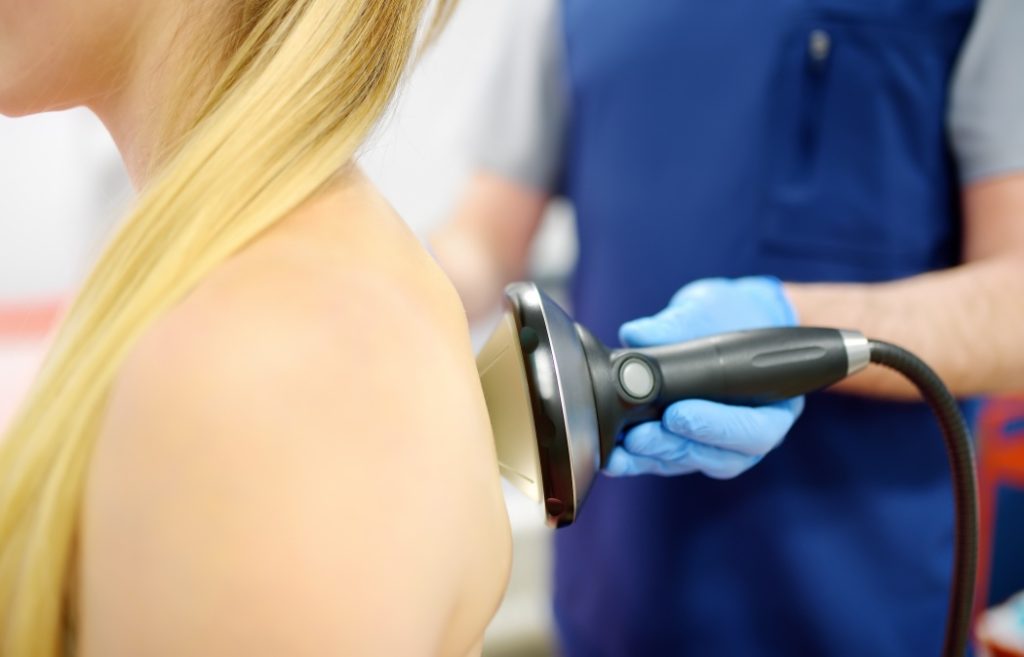
At our clinic, Dr. Padra Nourparvar combines advanced shockwave protocols with his expert knowledge of musculoskeletal anatomy and ultrasound imaging to ensure precision targeting of the injured tendons. This integrative, image-guided approach maximizes healing outcomes while minimizing discomfort. Shockwave therapy is typically administered over a series of short outpatient sessions and requires no anesthesia, making it a convenient and highly effective adjunct or standalone therapy for many rotator cuff conditions.
Frequently Asked Questions (FAQ)
-
Most patients experience only minimal discomfort. We offer needle-free air-jet numbing options and use ultrasound-guided injections for accuracy.
-
Currently, stem cell and PRP therapies are not covered by insurance, but we offer competitive pricing and financing options.
-
A detailed evaluation and consultation by Dr. Nourparvar—including hands-on orthopedic assessment and imaging review—will determine your eligibility.
Schedule a Consultation Today
If you’re suffering from a rotator cuff injury and want to avoid surgery, consider stem cell and PRP therapy at the Stem Cell & PRP Institute of Los Angeles. With Dr. Nourparvar’s advanced training, state-of-the-art technology, and patient-first philosophy, we provide a level of care that is precise, compassionate, and innovative.
Contact us today to schedule your evaluation and explore a future free from shoulder pain—without surgery.
📞 Call us today at (310) 361-5480 to book your appointment or click here to schedule a consultation.
Medically reviewed by Padra Nourparvar, DO on
Posted on behalf of
Cedars Sinai Medical Office Towers
8631 West 3rd Street, #545E
Los Angeles, CA 90048
Phone: (310) 361-5480
Mon – Thu: 8:30am – 6:00pm
Friday: 8:30am – 4:30pm