Stem Cell, PRP, and ACS Therapy for Knee Meniscus Tears: A Non-Surgical Alternative
A knee meniscus tear stands out as one of the most prevalent orthopedic injuries, impacting not only athletes but also the general population. Historically, surgical intervention has been considered the standard for severe cases; however, in recent years, advanced non-surgical regenerative treatments—such as Stem Cell Therapy, Platelet-Rich Plasma (PRP), and Autologous Conditioned Serum (ACS), also known as *Regenokine or *Orthokine—have emerged as viable alternatives. These modalities offer patients the possibility of avoiding surgery, expediting recovery, and restoring joint function.
At our Los Angeles-based regenerative medicine clinic, under the direction of Dr. Nourparvar, we provide these state-of-the-art therapies, carefully tailored to each patient’s individual pathology. With over a decade of experience in regenerative medicine, Dr. Nourparvar integrates innovative techniques, advanced technology, and a comprehensive diagnostic strategy to achieve optimal clinical outcomes.
Definition of a Knee Meniscus Tear
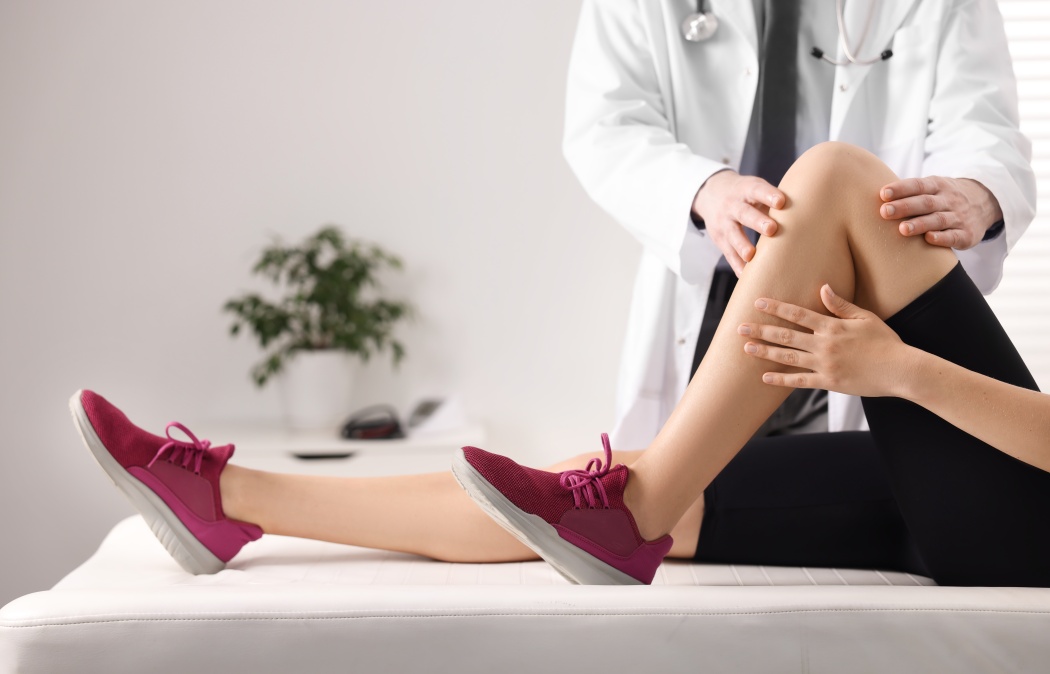
The meniscus is a C-shaped cartilaginous structure that serves to cushion and stabilize the knee joint. Each knee contains two menisci—medial and lateral—functioning as shock absorbers between the femur and tibia. Tears of the meniscus may arise from acute trauma, sports injuries, age-related degeneration, or chronic joint pathology.

Common causes include:
- Sudden twisting or pivoting of the knee (especially in athletic activities)
- Improper lifting of heavy objects
- Deep squatting or prolonged kneeling
- Degenerative changes associated with aging
Symptoms associated with a meniscus tear encompass:
- Acute or persistent knee pain
- Swelling or stiffness
- Sensations of clicking, locking, or catching within the joint
- Restricted range of motion
- Difficulty walking or weight-bearing
- Perceived instability or “giving way” of the knee
According to the American Academy of Orthopaedic Surgeons (AAOS), over 850,000 meniscal surgeries are performed annually in the United States alone, making it one of the most frequently performed orthopedic procedures. However, studies have shown that in many cases, especially degenerative tears, surgery may offer little long-term benefit over non-surgical approaches.
Conventional Management Strategies for Meniscus Tears
Traditional treatments include:
- R.I.C.E. (Rest, Ice, Compression, Elevation)
- NSAIDs (Non-steroidal anti-inflammatory drugs)
- Physical therapy
- Corticosteroid injections
- Arthroscopic surgery (partial meniscectomy or repair)
While these approaches may afford temporary symptom relief, they frequently fail to address underlying tissue degeneration, particularly in older adults. Surgical removal of meniscus tissue can also increase the risk of early-onset osteoarthritis.
Advances in Regenerative Medicine
At our Los Angeles regenerative clinic, we specialize in:
- Stem Cell Therapy
- Platelet-Rich Plasma (PRP)
- Autologous Conditioned Serum (ACS), marketed as Regenokine or Orthokine
These innovative therapies aim to facilitate meniscal repair, reduce inflammation, and stimulate the body’s intrinsic healing mechanisms—without the need for surgery.
How Each Treatment Works
Stem Cell Therapy
Stem cells possess the remarkable capacity to differentiate into diverse cell types and contribute to tissue regeneration. Our clinic utilizes sources including adipose-derived cells (Nano-fat, Stromal Vascular Fraction), bone marrow aspirate, and umbilical cord-derived stem cells. Dr. Nourparvar employs ultrasound and X-ray guidance to ensure precise injection of stem cells into the meniscal tear and adjacent structures.
Reported benefits:
- Promotion of meniscal tissue regeneration
- Reduction in inflammation and pain
- Enhancement of joint function and lubrication
- Potential avoidance of surgery and associated downtime
Platelet-Rich Plasma (PRP) Therapy
PRP is an autologous product concentrated from the patient’s own blood, rich in platelets and growth factors vital for tissue repair. The process involves blood collection, centrifugation, and guided injection into the affected meniscus.
Clinical advantages:
- Decreased pain and inflammation
- Augmented cellular-level healing
- Fully autologous, minimizing risk of adverse reactions
- Safe with minimal risk of rejection or infection
Autologous Conditioned Serum (ACS)
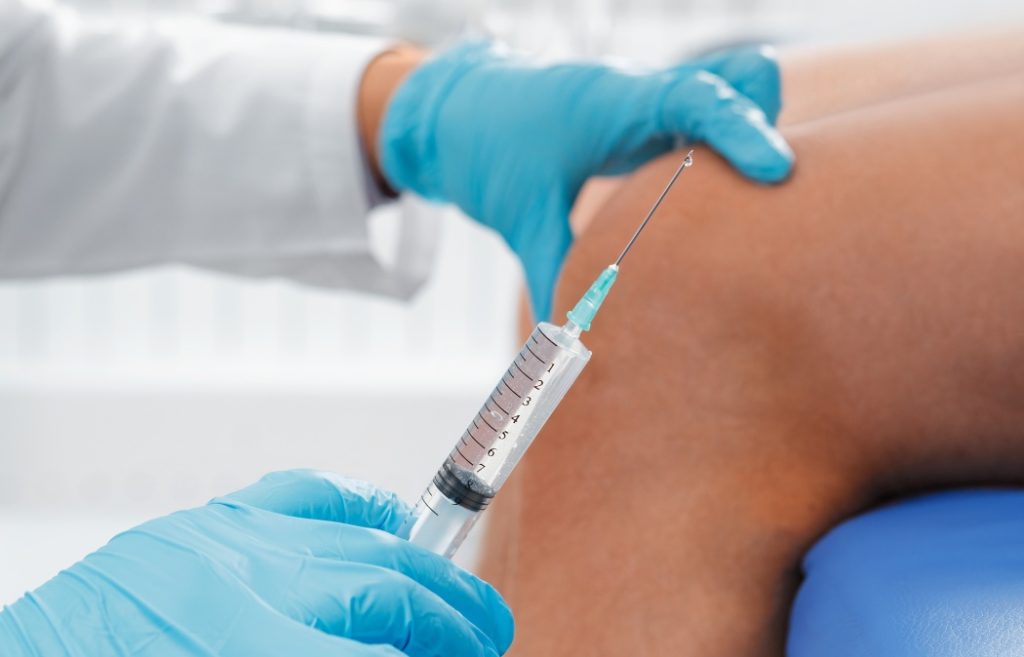
Also referred to as Regenokine or Orthokine, ACS is derived from the patient’s blood, incubated to elevate anti-inflammatory cytokines, notably Interleukin-1 Receptor Antagonist (IL-1Ra), which counteracts destructive inflammatory processes in joint pathology.
Process overview:
- Blood draw and incubation
- Serum extraction and intra-articular injection
- Typically administered in a series of sessions
Therapeutic benefits:
- Mitigation of chronic inflammation
- Slowing of cartilage degeneration
- Support of sustained joint healing
- Applicability to both acute and degenerative meniscal injuries
Why Select Dr. Nourparvar’s Regenerative Clinic?
Dr. Nourparvar’s extensive experience in regenerative and non-surgical orthopedic medicine, exceeding a decade, underpins his commitment to delivering evidence-based, individualized care. His areas of expertise include pain management, non-surgical orthopedics, and musculoskeletal medicine. As a Qualified Medical Evaluator (QME), he brings a rigorous, patient-centered approach to every case.
His training includes:
- Harvesting and using stem cells from adipose tissue, bone marrow, and umbilical cord sources
- Precision-guided joint and tendon injections
- Administration of therapies via intravenous, intranasal, intrathecal, and intratympanic routes
Frequently Asked Questions (FAQ)
-
Yes. Many patients, especially with early to moderate tears, see substantial improvement with Stem Cell, PRP, or ACS therapy — often avoiding surgery entirely.
-
Some patients feel better in a few weeks, while full healing may take a few months depending on the severity of the tear.
-
Most treatments involve minimal discomfort, especially with ultrasound-guided precision and numbing options.
-
These advanced biologic therapies are not typically covered by insurance, but our clinic offers payment plans and flexible options.
-
Dr. Nourparvar performs comprehensive musculoskeletal and osteopathic evaluations, corroborated by imaging, to determine the most effective treatment tailored to your needs.
In summary, for patients experiencing knee meniscus tears and wishing to avoid surgical intervention, regenerative therapies such as Stem Cell Therapy, Platelet-Rich Plasma (PRP), and Regenokine/Orthokine (ACS) offer minimally invasive alternatives. Supported by advanced credentials and innovative diagnostic technologies, Dr. Nourparvar’s clinic in Los Angeles stands as a trusted provider of advanced orthopedic care.
📞 Call us today at (310) 361-5480 to book your appointment or click here to schedule a consultation.
*Trademark Disclaimer
Stem Cell & PRP Institute of L.A. and Dr. Nourparvar are not affiliated with, endorsed by, or sponsored by Orthogen AG, Regenokine®, or Orthokine®.
Regenokine® and Orthokine® are registered trademarks of Orthogen AG. Any references to these therapies on our website are for informational purposes only and do not imply any partnership, ownership, or official association with the trademark holders.
Our clinic offers regenerative medicine treatments that may be similar in concept, such as autologous serum or cytokine-based therapies, but we do not claim to offer Regenokine® or Orthokine® specifically.
Medically reviewed by Padra Nourparvar, DO on
Posted on behalf of
Cedars Sinai Medical Office Towers
8631 West 3rd Street, #545E
Los Angeles, CA 90048
Phone: (310) 361-5480
Mon – Thu: 8:30am – 6:00pm
Friday: 8:30am – 4:30pm