
Regenerating the Eardrum: Treatments for Tympanic Membrane Rupture
Understanding Tympanic Membrane Rupture
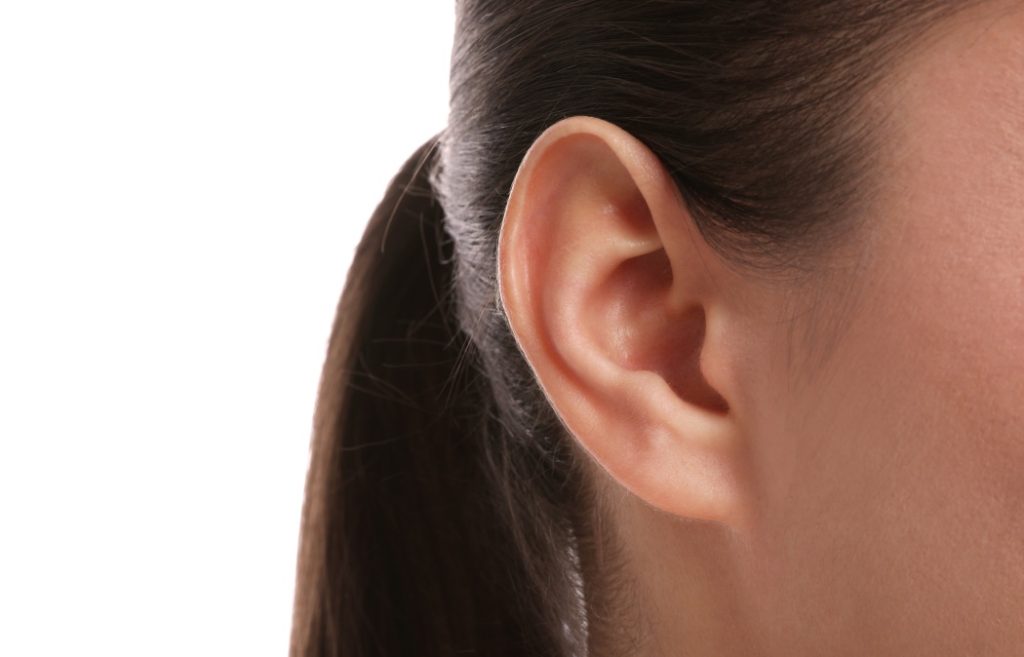
A tympanic membrane rupture, commonly known as a perforated eardrum, is a tear or hole in the thin tissue separating the external ear canal from the middle ear. This delicate membrane vibrates in response to sound waves, transmitting auditory information to the ossicles and inner ear; any breach disrupts this process, leading to conductive hearing loss and exposing the middle ear to potential infection.
Common Symptoms
Patients with tympanic membrane perforation often experience:
- Ear pain that may subside rapidly after the rupture.
- Hearing loss, which is usually conductive and proportional to the size and location of the perforation.
- Tinnitus (ringing or buzzing in the ear).
- Vertigo or dizziness, sometimes accompanied by nausea or vomiting due to inner ear involvement.
- Otorrhea, a discharge that can range from clear fluid to pus or blood.
Conventional Treatment Approaches
Traditionally, many small perforations heal spontaneously within weeks with conservative management—keeping the ear dry, avoiding forceful nose-blowing, and treating any underlying infection. Larger or chronic perforations often require surgical intervention (myringoplasty or tympanoplasty), where graft materials (fascia, cartilage, fat) are used to close the defect. While surgical success rates are generally good, failure can occur due to graft rejection, infection, or poor vascularization of the repair site.
Regenerative Medicine: A New Frontier
Recent advances in regenerative therapies offer minimally invasive alternatives or adjuncts to surgery, harnessing the body’s own healing mechanisms through:
- Platelet‑Rich Plasma (PRP)
- Stem Cells (Mesenchymal Stem Cells, Hematopoietic, Umbilical Cord)
- Exosomes
These biologics deliver growth factors, cytokines, and extracellular vesicles that promote tissue regeneration, angiogenesis, and modulation of inflammation.
Platelet‑Rich Plasma (PRP)
PRP is an autologous blood derivative with platelet concentrations several-fold higher than baseline, rich in growth factors such as PDGF, TGF‑β, and VEGF. When applied to wound beds, PRP accelerates hemostasis, reduces scar formation, and enhances cell proliferation.
Clinical Evidence for PRP in Tympanic Membrane Repair
In a prospective, randomized study of 68 patients with chronic tympanic membrane perforations undergoing myringoplasty, the PRP‑augmented group demonstrated a graft uptake of 94.1% at 6 weeks versus 67.6% in the standard myringoplasty group (p = 0.011). At 3 months, uptake rates were 97.1% versus 85.3%, respectively. Additionally, significant improvements in audiometric outcomes were observed in the PRP group.
Applications
Beyond surgical augmentation, PRP can be administered as:
- Intratympanic injections under local anesthesia, delivering growth factors directly to the middle ear mucosa.
- Topical drops containing PRP, minimizing discomfort and recovery time.
- Postauricular Injection offers another way to deliver these agents locally. In this technique, a needle is inserted through the skin immediately behind the ear (in the postauricular/mastoid region) to inject drugs subperiosteally against the mastoid bone. This avoids puncturing the eardrum entirely, making it less invasive than intratympanic injection. Because the ear canal and drum are not breached, postauricular injections eliminate the risk of tympanic membrane perforation, inner-ear infection, or vertigo caused by middle-ear injection.
Mesenchymal Stem Cells (MSCs)
MSCs are multipotent progenitor cells capable of differentiating into various cell types (osteoblasts, chondrocytes, adipocytes) and secreting trophic factors that modulate immune responses and extracellular matrix remodeling. Sources include fat (nano‑fat, stromal vascular fraction), bone marrow, and umbilical cord tissues.
MSCs in Tympanic Membrane Regeneration
Preclinical and early clinical studies have demonstrated that MSCs can:
- Promote epithelialization of the perforation edge.
- Enhance collagen deposition and scaffold integrity.
- Secrete bioactive exosomes that further stimulate resident cell proliferation.
Animal models show accelerated closure rates and improved membrane thickness when MSCs are applied either via scaffold implantation or via intralesional injections.
Exosome‑Based Therapy
Exosomes are nano‑sized (30–150 nm) extracellular vesicles released by cells, carrying proteins, lipids, and microRNAs that orchestrate intercellular communication and tissue repair. Stem cell‑derived exosomes have emerged as a cell‑free regenerative modality with lower immunogenic risk than whole‑cell therapies.
Mechanisms of Action
- Angiogenesis: Exosomal miRNAs upregulate VEGF pathways.
- Anti‑inflammation: Delivery of miRNAs that suppress pro‑inflammatory cytokines.
- Fibroblast activation: Promotion of collagen synthesis and wound contraction.
Delivery Strategies
- Intratympanic exosome, stem cell and PRP injections under guidance.
- Topical exosome or PRP‑infused drops in a gel carrier.
- Systemic administration (intravenous) for chronic otologic conditions with bilateral involvement.
- Postauricular injection offers another way to deliver these agents locally.
Advanced Delivery Methods at Stem Cell & PRP Institute of L.A.
At our clinic, we integrate cutting‑edge delivery techniques to maximize regenerative potential:
- Intratympanic: Direct local delivery minimizes systemic exposure and concentrates bioactives at the perforation site.
- Intravenous: For systemic distribution of exosomes or MSC‑derived factors.
- Postauricular injection offers another way to deliver these agents.
- Topical Drops: Combining PRP, MSC‑derived exosomes, in a patient‑friendly drop formulation for in‑office or at home use.
Why Choose Our Clinic?
Stem Cell & PRP Institute of L.A. stands at the forefront of regenerative otology, led by Dr. Padra G. Nourparvar, DO. With over 10 years of experience in regenerative medicine and non‑surgical orthopedics, Dr. Nourparvar holds a Medical Degree from the New York College of Osteopathic Medicine and is a proud UCLA graduate. His extensive training includes fellowships and rotations at: UCLA, UC Irvine, Mount Sinai, NYU Langone’s Rusk Rehabilitation, Children’s Hospital Los Angeles (CHLA), NYC Health + Hospitals/Bellevue, Montefiore Medical Center, and Albert Einstein College of Medicine.
Our clinic offers comprehensive sourcing of stem cells—adipose, bone marrow, umbilical cord—and state‑of‑the‑art processing for nano‑fat, stromal vascular fraction, and exosomal isolation. We combine these therapeutics with advanced imaging and robotic‑assisted delivery to ensure precise, effective treatment.
Conclusion
Tympanic membrane rupture, once managed solely by surgery, now benefits from the transformative power of regenerative medicine. Through the synergistic use of PRP, mesenchymal stem cells, and exosomes, delivered via intralesional, topical, and systemic routes, we can:
- Accelerate healing
- Enhance structural integrity
- Reduce the need for invasive surgery
At the Stem Cell & PRP Institute of L.A., under the expertise of Dr. Nourparvar, we offer personalized, evidence‑based regenerative treatments that restore your hearing and quality of life. Contact us today to schedule a consultation and discover how modern otologic care is evolving beyond the scalpel.
Medically reviewed by Padra Nourparvar, DO on
Posted on behalf of
Cedars Sinai Medical Office Towers
8631 West 3rd Street, #545E
Los Angeles, CA 90048
Phone: (310) 361-5480
Mon – Thu: 8:30am – 6:00pm
Friday: 8:30am – 4:30pm