
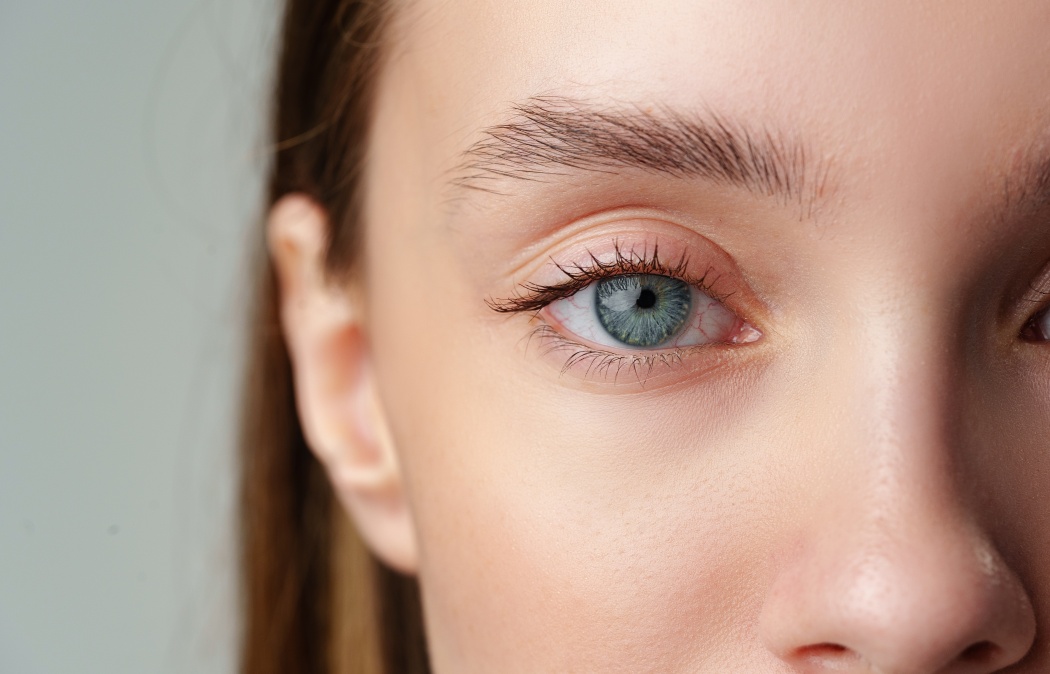
PRP Eye Drops—Stem Cell & PRP Institute of L.A.
At the Stem Cell & PRP Institute of L.A., we offer autologous platelet-rich plasma (PRP) eye drops as part of our regenerative medicine services for patients with dry eye, persistent corneal epithelial defects, recurrent erosions, post-surgical surface problems, and other ocular surface disorders. Below is a clear, clinically grounded explanation of what PRP eye drops are, how they work, what they can help, what the research shows, and what you can expect when you get them at our clinic.
What are PRP eye drops?
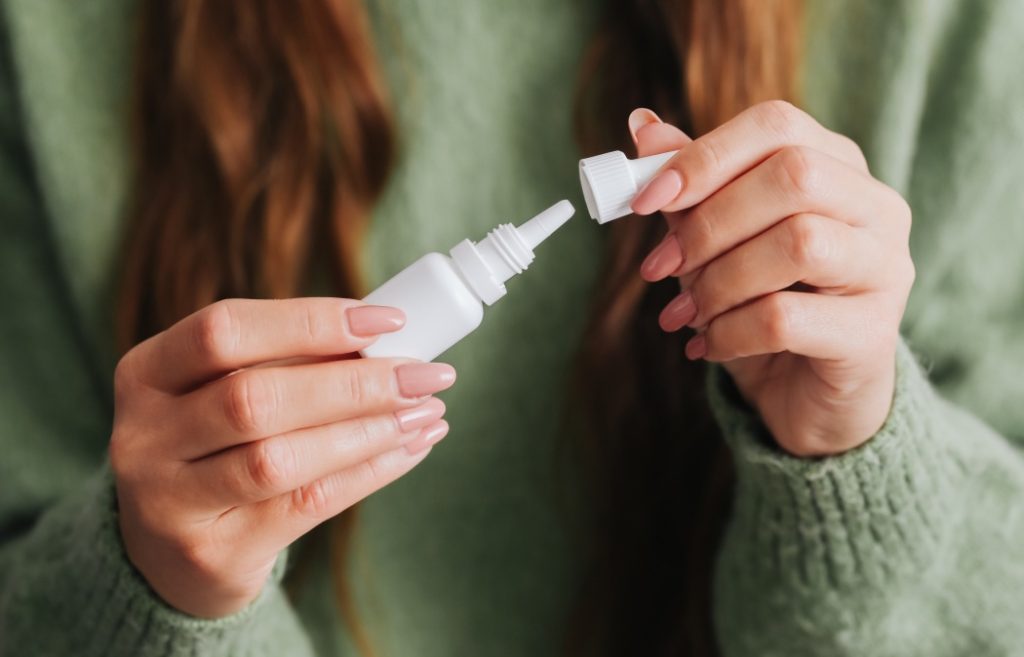
PRP eye drops are a blood-derived, autologous (your own blood) topical therapy made from your platelets. Platelets are tiny blood cells that store dozens of growth factors and signaling molecules (VEGF, PDGF, EGF, TGF-β, etc.). When prepared as an eye drop, PRP delivers a concentrated “cocktail” of these factors directly to the ocular surface to stimulate healing, reduce inflammation, and support regeneration of corneal and conjunctival tissues. Multiple academic groups and reviews now consider PRP a valuable biologic topical for difficult-to-treat ocular surface disease.
How does PRP actually help the eye? (Simple biology)
- Provides growth factors that promote epithelial (surface cell) growth and migration — important for healing corneal defects.
- Reduces local inflammation and modulates cytokines that perpetuate dry eye and chronic surface disease.
- Encourages new micro-blood vessel support and cell recruitment, improving tissue nutrition and repair in areas with poor healing.
- Supports epitheliotrophic factors at higher concentrations than normal tears (and in many cases higher than autologous serum), which is why PRP can be especially useful when simple lubricants fail.
What conditions can PRP eye drops help?
Clinical studies and case series support PRP topical use for:
- Dry eye disease (moderate→severe), including Sjögren-related dry eye. Randomized and prospective studies show improved symptoms (OSDI), tear breakup time (TBUT), and corneal staining after PRP.
- Persistent epithelial defects — PRP accelerates re-epithelialization and improves corneal clarity in many case series and controlled studies.
- Recurrent corneal erosions (RCE) — PRP reduces recurrence and promotes durable healing in published reports.
- Post-operative ocular surface healing (after refractive surgery, keratoplasty, etc.) — PRP can speed recovery when standard care is insufficient.
- Adjunct for chemical injuries, neurotrophic keratitis, ocular surface inflammation and some cases of meibomian gland / lacrimal dysfunction — evidence is emerging and promising, though protocols vary.
Bottom line: PRP is most often considered when conventional lubricants, anti-inflammatories, or serum drops haven’t produced adequate healing or symptom relief.
What does the research say about effectiveness?
- Several randomized, prospective, and comparative studies report significant symptomatic and objective improvements (OSDI score, TBUT, staining) with PRP drops in dry eye and corneal surface disease.
- Systematic reviews of blood-derived topical therapies conclude that PRP is one of the more widely used and promising options for moderate-to-severe ocular surface disease.
PRP vs Autologous Serum — which is better?
Both are blood-derived biologic eye drops. Key differences:
- Autologous serum (AS) is blood serum processed without concentrating platelets; it supplies tear-like proteins and vitamins.
- PRP concentrates platelets and therefore delivers higher levels of platelet-derived growth factors and epitheliotrophic factors, which can be especially useful for promoting epithelial repair and angiogenesis. Several studies show PRP to be at least as effective as AS and sometimes superior for certain endpoints. Still, head-to-head evidence is evolving and clinical choice is individualized.
What to expect at Stem Cell & PRP Institute of L.A.
- Consultation & exam. Dr. Nourparvar will examine and evaluate you to determine if PRP drops are appropriate.
- Blood draw & lab processing. We prepare PRP on-site in a controlled sterile environment.
- Treatment plan. We’ll recommend a dosing schedule (typically several weeks) and provide written handling/storage instructions. Severe corneal defects may require more intensive application and close monitoring.
- Follow-up. Follow-ups let us track healing and adjust therapy; many patients notice symptomatic improvement in days to weeks and objective healing over weeks.
Can PRP be combined with other regenerative treatments?
Yes. Because we specialize in PRP and stem cell therapies, we often consider multimodal approaches when appropriate.

Ready to learn more or schedule a consultation?
If you’re dealing with persistent dry eye, a non-healing corneal defect, or want to explore regenerative options after ocular surgery, PRP eye drops may be a powerful, evidence-based option. At the Stem Cell & PRP Institute of L.A., we provide careful ophthalmic assessment, sterile preparation, patient education on storage/handling, and structured follow-up to maximize safety and outcomes.
To schedule a consultation, call our clinic or use our online booking. We’ll review your case, explain the risks and benefits, and tell you exactly what to expect from PRP eye drop therapy.
📞 Call us today at (310) 361-5480 to book your appointment or click here to schedule a consultation.
Medically reviewed by Padra Nourparvar, DO on
Posted on behalf of
Cedars Sinai Medical Office Towers
8631 West 3rd Street, #545E
Los Angeles, CA 90048
Phone: (310) 361-5480
Mon – Thu: 8:30am – 6:00pm
Friday: 8:30am – 4:30pm