Introduction to Peptide Therapies
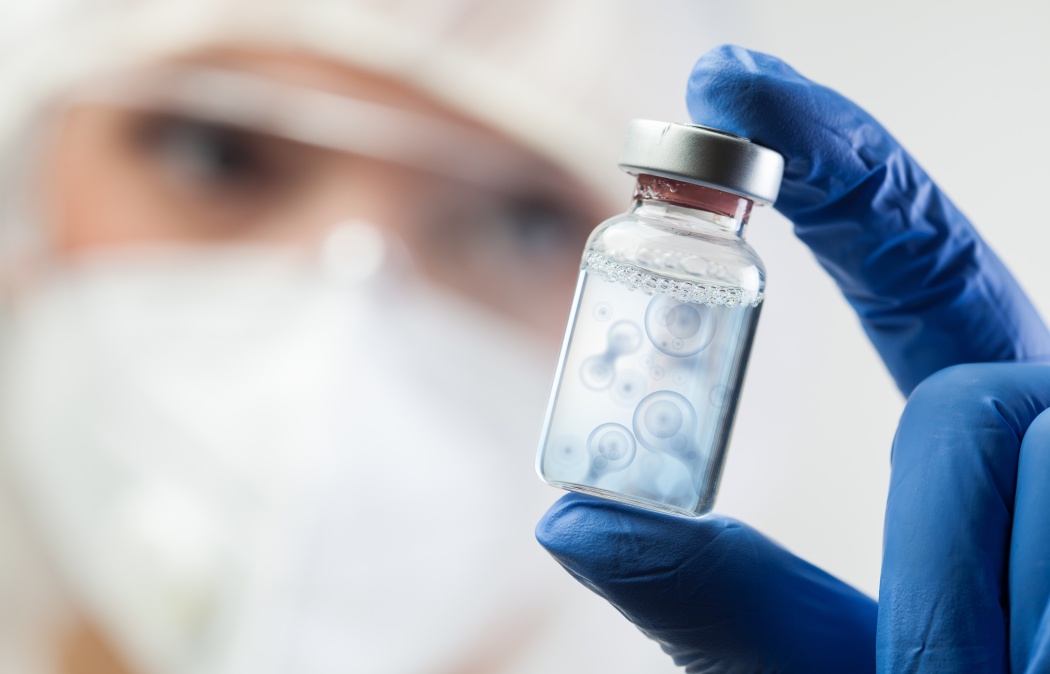
Peptides are short chains of amino acids – essentially mini-proteins – that act as biological signals in the body. They play natural roles in healing, metabolism, immunity, mood, and more. In recent years, medical research has harnessed these molecules as therapeutic agents. By supplementing or mimicking the body’s own peptides, doctors can enhance the body’s regenerative processes. For example, peptides can signal cells to produce more collagen in the skin, speed the repair of injured tissues, or boost hormone levels that decline with age. This makes peptide therapies a powerful tool in regenerative medicine and wellness.
At the Stem Cell & PRP Institute of L.A., we offer cutting-edge peptide treatments performed by Dr. Padra Nourparvar, DO. Dr. Nourparvar brings over a decade of experience in regenerative medicine. He earned his medical degree from the New York College of Osteopathic Medicine and is a UCLA graduate. His advanced training spans top institutions – including UCLA, UC Irvine, Mount Sinai, and NYU Langone’s Rusk Rehabilitation (the largest physical medicine program in the U.S.), as well as NYC H+H Bellevue and Montefiore/Albert Einstein in New York. Dr. Nourparvar is a board-certified family medicine physician with fellowship training in non-surgical orthopedics, PM&R, and pain management. He is an expert in ultrasound- and X-ray–guided injections, stem cell techniques (fat grafting, bone marrow, umbilical stem cells), and novel delivery methods (intratympanic, intranasal, intravenous, intrathecal). He has treated professional athletes (NBA, NFL, Olympic) and celebrities, and speaks four languages, ensuring the highest level of personalized care. Using the latest portable ultrasound with AI guidance for precision, our clinic tailors peptide and regenerative treatments to each patient’s needs.
Below, we explore common peptides by their therapeutic categories, highlighting the science behind their benefits.
Peptides for Anti-Aging and Skin Repair
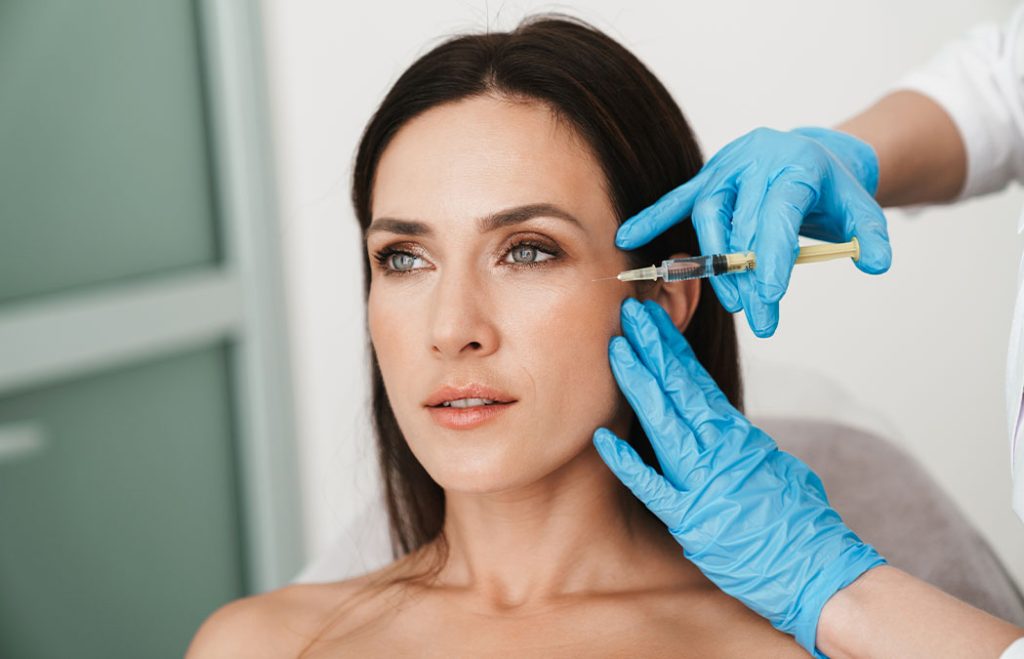
Aging skin often shows fine lines, wrinkles, and laxity due to declining collagen and elastin. Certain peptides help reverse these changes by stimulating skin repair at the molecular level. Two of the most popular anti-aging peptides are GHK-Cu and Matrixyl (Palmitoyl Pentapeptide-4).
- GHK-Cu (Copper Peptide) – GHK-Cu naturally occurs in young blood and binds copper to act as a cell signal. Research shows GHK-Cu boosts collagen and elastin production, modulates enzymes that remodel skin, and even increases hair follicle growth. In clinical tests, topical GHK-Cu dramatically improved skin appearance: one trial found that applying a GHK-Cu cream for 12 weeks increased skin density and thickness and strongly reduced wrinkles and pigmentation. In another study, GHK-Cu cream on the thigh raised collagen production in ~70% of women treated (versus 40% with retinoic acid) and improved skin elasticity. A randomized trial showed GHK-Cu reduced wrinkle volume by over 50% compared to placebo. These effects are thought to arise because GHK-Cu reactivates youthful gene expression patterns in skin cells. Clinically, we use GHK-Cu to smooth fine lines, firm the skin, and enhance wound healing, often combining it with other cosmetic therapies.
- Matrixyl (Palmitoyl Pentapeptide-4) – Marketed in many anti-wrinkle creams, Matrixyl mimics part of the collagen molecule to trigger collagen repair. Studies in humans (similar to GHK-Cu trials) report that daily Matrixyl cream reduces wrinkles and boosts collagen levels. In fact, GHK-Cu outperformed a leading Matrixyl formula in one head-to-head trial(GHK-Cu cut wrinkle volume ~55% vs ~32% vs control serum). Nonetheless, Matrixyl remains a popular peptide in skincare products, helping rebuild the dermal matrix and smooth skin.
These peptides are best delivered in formulations or injections under a physician’s care. Our clinic offers anti-aging peptide therapies (GHK-Cu, Matrixyl, and others) to rebuild collagen and heal sun damage. Paired with our advanced diagnostics and nutrient-rich PRP (platelet-rich plasma), these peptides can dramatically improve skin repair and youthful appearance.
Peptides for Muscle Growth and Injury Recovery
Athletes and active patients often seek ways to recover faster and build strength. Certain peptides target muscle and connective tissue repair, growth hormone release, and pain reduction. Key examples include BPC-157, Thymosin β4 (TB-500), and growth hormone secretagogues like CJC-1295 and Ipamorelin.
- BPC-157 (Body Protective Compound-157) – This 15-amino-acid peptide, derived from a naturally occurring gastric protein, has shown powerful tissue-healing effects in research. In preclinical models, BPC-157 accelerates tendon and ligament healing, muscle regeneration, and even recovery in models of nerve or brain injury. For example, studies in rats with torn tendons found that BPC-157 promoted tendon-to-bone healing and reduced inflammation at the injury site. It also enhances blood vessel growth (angiogenesis) in healing muscle and tendon injuries. Importantly, BPC-157 has a strong safety record in animals. Many patients report that BPC-157 therapy speeds recovery from strains, sprains, and surgeries.
- Thymosin β4 (TB-500) – TB-500 is a peptide fragment of the naturally-occurring thymosin β4 protein. It is well-studied for its role in tissue regeneration. Research shows TB-500 promotes angiogenesis and cell proliferation while inhibiting fibrosis (scar formation). In practical terms, TB-500 can enhance muscle and ligament repair by growing new blood vessels and reducing inflammation. In animal models, TB-500-treated wounds and injuries demonstrate faster healing, more organized connective tissue, and better tissue strength. Clinically, we use TB-500 injections alongside other therapies (like PRP or stem cells) to enhance deep tissue healing in muscles, tendons, and joints.
- Growth Hormone Releasing Peptides (CJC-1295, Ipamorelin) – These peptides are safe mimetics of the body’s growth hormone (GH) axis. CJC-1295 is a long-acting analog of growth-hormone releasing hormone, while Ipamorelin is a ghrelin-mimicking secretagogue. Both cause the pituitary to release more GH and IGF-1. In human trials, CJC-1295 injections produced dose-dependent 2–10× increases in GH for over a week, and 1.5–3× increases in IGF-1. Such sustained GH release can support muscle protein synthesis, recovery from workouts, and reduced body fat. Patients often combine CJC-1295 with Ipamorelin (which has a similar effect) to maximize hormone benefits while avoiding spikes in cortisol or hunger. In our practice, we use these peptides for patients needing improved muscle mass, energy, and recovery (especially those in their 40s+ whose GH levels decline).
Overall, peptides in this category (BPC-157, TB-500, CJC-1295/Ipamorelin) help the body heal itself after injury or strain. They are most popular among athletes and orthopedic patients at our institute. Backed by both laboratory studies and emerging clinical data, these peptides complement traditional therapies. Patients report quicker recovery from strains and orthopedic procedures. We administer them via precise injections under ultrasound guidance, ensuring targeted delivery to injured ligaments, muscles, or joints.
Peptides for Fat Loss and Metabolism
Metabolic peptides can increase fat burning, improve insulin sensitivity, and help manage weight. Two notable peptides are AOD-9604 and MOTS-c.
- AOD-9604 – AOD-9604 is a fragment of human growth hormone designed specifically for fat metabolism. It stimulates the breakdown of fat without affecting blood sugar or growth of lean mass. In clinical trials, obese subjects receiving AOD-9604 lost significantly more weight than placebo. For instance, in a 12-week study, the group given 1 mg daily of AOD-9604 lost an average of 2.8 kg, compared to just 0.8 kg in the placebo group. This fat loss occurred without the appetite suppression or side effects of conventional weight-loss drugs. Patients also saw modest cholesterol improvements and better glucose tolerance in that trial. These findings support AOD-9604’s reputation as a “HGH-fat-burning peptide.” At our clinic, we use AOD-9604 for carefully selected patients as part of a comprehensive weight-management program (alongside nutrition and exercise).
- MOTS-c – MOTS-c is a newly discovered peptide encoded by mitochondrial DNA. Research has shown it acts like an “exercise-mimetic,” improving metabolic health. In animal studies, MOTS-c prevented weight gain and insulin resistance in mice on a high-fat diet. It enhances glucose uptake in muscle and boosts insulin sensitivity, effectively mimicking some benefits of exercise. Though human data are early, these results suggest MOTS-c could help obese or pre-diabetic patients improve energy balance. At our institute, we discuss MOTS-c in the context of metabolic support. Though it’s still experimental, knowing these science insights helps patients understand how peptides can target metabolic pathways.
Peptides for Cognitive Enhancement
Peptides can also influence brain health, mood, and cognition. Two peptides developed in neuroscience research are Semax and Selank.
- Semax – Semax is a synthetic analog of a short fragment of adrenocorticotropic hormone (ACTH). It is given nasally and acts centrally. In animal studies, Semax significantly boosts brain-derived neurotrophic factor (BDNF), a protein that supports neuron growth and learning. For example, one study found a single dose of Semax caused a 1.4-fold rise in hippocampal BDNF protein and upregulated its receptor (trkB). Semax-treated rats also showed better performance on learning tasks. In clinical use (mostly in Russia/Eastern Europe), Semax is reported to improve memory, attention, and recovery from stroke or brain injury. We offer Semax to patients seeking sharper focus or cognitive support, especially under high stress or fatigue. Its safety profile is very good, with minimal side effects.
- Selank – Selank is a stabilized analog of the endogenous peptide tuftsin. It has anxiolytic and nootropic effects. Laboratory work suggests Selank modulates the GABAergic system (the brain’s main inhibitory neurotransmitter) similarly to low-dose benzodiazepines. Clinical studies note that Selank can reduce anxiety without sedation, and improve memory and learning processes. Importantly, unlike many anxiety medications, Selank does not cause dependence or significant cognitive dulling. It’s also reported to have mood-lifting effects. Patients often use Selank as-needed before stressful events or daily for chronic anxiety and mental clarity. We find Selank useful for patients who need mood balancing and cognitive support, especially as part of a holistic wellness plan (often in conjunction with nutritional and lifestyle changes).
Both Semax and Selank illustrate how peptides can directly modulate brain chemistry to enhance cognition, focus, and emotional wellness. Our clinic tracks outcomes with cognitive tests and patient feedback to ensure these therapies are delivering real-world benefits.
Peptides for Sleep Regulation
Good sleep is crucial for recovery and health. One peptide known specifically for sleep is DSIP (Delta Sleep-Inducing Peptide).
- DSIP (Delta Sleep-Inducing Peptide) – DSIP was originally discovered in the 1970s as a regulator of slow-wave (deep) sleep. Research in humans shows DSIP can help normalize sleep patterns in severe insomnia. In a double-blind trial of chronic insomniacs, nightly DSIP injections for one week substantially improved sleep quality. Patients fell asleep faster and achieved normal sleep efficiency, and these benefits persisted even after stopping DSIP. Daytime alertness and performance also rose to normal levels with DSIP treatment. In practical terms, DSIP can help patients who have non-restorative sleep despite other treatments. At our institute, DSIP therapy is considered when conventional sleep aids fail or are contraindicated. We emphasize that DSIP should be part of a comprehensive sleep optimization plan, including sleep hygiene, stress management, and possibly other supplements. Studies suggest DSIP’s effects on sleep and circadian rhythms are real and clinically meaningful, making it a valuable tool in our regenerative sleep medicine offerings.
Because sleep underpins many aspects of health (cognitive function, hormone balance, immune function), improving sleep with peptides can amplify the benefits of all other therapies. Patients who respond well to DSIP often find their energy, mood, and healing capacity all improve.
Peptides for Immune Support
A strong immune system is central to overall health. Thymosin α1 is a peptide with well-documented immune-modulating effects.
- Thymosin Alpha-1 (Thymalfasin) – Thymosin α1 is a 28-amino-acid peptide originally isolated from the thymus gland. It is an FDA-approved drug in many countries for treating hepatitis and as an immune adjuvant. In fact, over 35 countries use thymalfasin to boost immunity in cancer, chronic infections, and immunodeficiency. Thymosin α1 “modifies, enhances, and restores immune function,” especially by increasing T-cell numbers and activity. Clinical studies have shown it can improve vaccine responses, reduce infections in immunocompromised patients, and even aid recovery in sepsis or severe viral illnesses. During the COVID-19 pandemic, thymosin α1 was investigated for helping severe cases by rebalancing overactive immune responses.
Peptides for Intimate Health (Libido and Arousal)
Finally, certain peptides can enhance intimate drive and function. For example, PT-141 (Bremelanotide) is an FDA-approved peptide for low libido in women.
- PT-141 (Bremelanotide) –an injectable peptide that acts on melanocortin receptors in the brain to increase desire and arousal. Importantly, it works through a different pathway than hormones like estrogen or testosterone. In clinical trials for premenopausal women with hypoactive desire disorder (HSDD), bremelanotide significantly increased libido scores and reduced personal distress about low desire. The FDA summary notes it is “clinically proven to increase your interest..” and is safe when used as directed.
While PT-141 is FDA-approved for women, it is sometimes used off-label for men with arousal issues. At our clinic, we discuss PT-141 as part of comprehensive intimacy wellness (always respecting patient comfort and language). We do not advertise it for dysfunction directly, but emphasize its use for enhancing intimacy and desire. Many patients find that improving blood flow and neurotransmitter signaling (the mechanism of PT-141) also enhances overall intimate health and confidence.
Why Choose Peptide Therapy at Stem Cell & PRP Institute of L.A.?
All of the above peptide treatments reflect the broader field of regenerative medicine. By working with the body’s own signaling molecules, we aim to regenerate healthier tissues, not just mask symptoms. In our practice, peptide therapy is never one-size-fits-all. Dr. Nourparvar carefully evaluates each patient’s history, lifestyle, and goals. This includes comprehensive musculoskeletal and neurological exams (leveraging his osteopathic training), imaging reviews, and sometimes lab tests. Our use of advanced portable ultrasound with AI aids allows us to guide peptide injections (and other therapies) with maximum precision and safety.
Because Dr. Nourparvar trained in premier rehabilitation programs (UCLA, NYU/Rusk, Montefiore/Einstein, etc.), he has a unique expertise in non-surgical orthopedic care. He believes in treating the whole person, not just a torn ligament on an MRI. For example, for a patient with shoulder pain, he will perform a hands-on osteopathic evaluation, correlate it with the ultrasound imaging, and tailor a treatment plan that may include PRP, peptides (like TB-500 or BPC-157), physical therapy, and supplements – rather than jumping to surgery. This comprehensive approach helps many patients avoid unnecessary procedures.
Our clinic’s experience with professional athletes and high-stress individuals means we understand performance and recovery needs at the highest level. We also utilize all available delivery routes: injections (joint, tendon, IV, intranasal, intrathecal, intratympanic), depending on the peptide and condition. Every peptide we use has peer-reviewed support for its effects (as cited above), and we stay up-to-date with new research so our patients benefit from evidence-based medicine.
Below is a summary of frequently asked questions (FAQs) that relate to peptide treatments and how our expertise supports them.
Frequently Asked Questions (FAQ)
-
Peptide therapies are biologically active molecules that mimic signals your body naturally uses. Unlike vitamins or hormones, peptides bind to specific receptors on cells and trigger targeted processes (like collagen production or growth hormone release). They are not just general nutrients; they are precise signaling tools. Because of this, peptides can offer highly specific effects (e.g. wound healing in a tendon) with relatively few side effects. Our clinic often combines peptides with other regenerative treatments (like PRP or stem cells) to amplify the effect in a safe, controlled way.
-
Yes, many peptides on this page have been studied in peer-reviewed research. For example, GHK-Cu’s ability to improve skin quality and reduce wrinkles is documented in multiple human trials. AOD-9604’s fat-burning effect was proven in a 300-patient trial. Even when human data are limited, robust animal and cell studies (like for BPC-157 or MOTS-c) provide strong evidence of their mechanisms. Safety is a priority: we monitor patients, and use peptides with established safety records. In fact, many peptides cause fewer side effects than long-term pharmaceuticals.
-
Most peptides are given by injection (subcutaneously or intramuscularly) or intranasally. At our clinic, we use ultrasound or imaging guidance for precise injections when needed. Your protocol (dose and frequency) will depend on the peptide and your condition. It’s important to have realistic expectations: peptides aid regeneration, but they work best as part of a comprehensive treatment plan.
-
Candidates include anyone with conditions that could benefit from enhanced healing or hormonal support. This ranges from older adults wanting to slow aging, to athletes recovering from injury, to patients with chronic fatigue, insulin resistance, cognitive fog, or immunodeficiency. That said, peptide therapy is highly personalized. Some peptides (like AOD-9604 or CJC-1295) are chosen for metabolic or fitness goals, while others (like Selank or Semax) are for brain support. We evaluate each patient’s medical history and goals carefully. We do not use peptides in place of necessary medications or surgeries when those are truly needed. Instead, we often help patients avoid or delay invasive procedures by bolstering the body’s own repair mechanisms.
-
During your first visit, Dr. Nourparvar will conduct a detailed consultation and physical exam, including any pertinent imaging. He may discuss lifestyle factors and perform osteopathic maneuvers to diagnose the root cause of your issues. We’ll go over blood tests or imaging if needed. From there, a treatment plan is developed. If peptide therapy is recommended, we explain the regimen, evidence, and expected outcomes. We may adjust doses or add complementary therapies (e.g. nutritional supplements, exercise, PRP) based on your response. Your safety is our priority, so we monitor any effects closely.
-
Because peptides work by triggering natural processes, their benefits can be lasting. For example, increasing collagen production leads to new matrix formation that remains after treatment. Improved muscle repair can prevent re-injury. Enhanced hormone levels can jump-start metabolism and the effects often persist as long as the levels stay up. However, many patients benefit from “maintenance” peptide injections (e.g. monthly) or from periodic booster courses. We design protocols to sustain gains, much like an athlete continues training. In regenerative care, it’s understood that building a healthier baseline often means supporting the body consistently.
-
Our institute uniquely combines expertise, technology, and a holistic philosophy. Dr. Nourparvar’s background – from UCLA to NYU Rusk Rehabilitation – means he understands a wide range of conditions and has treated thousands of patients non-surgically. We also have full in-house capabilities (advanced ultrasound, IV infusion, on-site lab) so you get integrated care without referrals. Many clinics may inject peptides blindly or without a thorough plan; we pride ourselves on precision. In short, we treat every peptide patient as an individual, grounded in science and refined by years of clinical experience.
-
Peptides can strengthen your body’s resilience. For example, building better muscle and tendon integrity can reduce future sprains. Improving immune function can help fend off infections more effectively. Enhancing metabolic health might lower the risk of diabetes or cardiovascular disease. In all cases, peptides work by optimizing normal physiology. When used preventively – say, starting GHK-Cu in middle-age or using MOTS-c during weight gain – they may slow or counteract degenerative changes. Our approach is proactive: we often recommend starting treatments when early signs appear (mild skin sagging, borderline insomnia, slight joint discomfort) rather than waiting for a crisis.
-
You can schedule a consultation at the Stem Cell & PRP Institute of L.A. either by phone or online. In your first visit, we’ll discuss your health goals, review any existing tests, and possibly do an ultrasound exam. We are in Los Angeles, serving patients throughout CA and beyond. If we proceed, the team will create a personalized peptide protocol for you. Many patients find that the investment in these advanced therapies is worthwhile due to the significant quality-of-life improvements.
-
Regenerative therapies like peptides are usually not covered by insurance, as they are considered experimental or off-label for many uses. We are transparent about costs upfront. The benefit is that these treatments can often reduce the need for expensive surgeries or long-term drugs. We also offer package pricing and payment plans in some cases. Ultimately, we view peptide therapy as an investment in your long-term health.
📞 Call us today at (310) 361-5480 to book your appointment or click here to schedule a consultation.
Medically reviewed by Padra Nourparvar, DO on
Posted on behalf of
Cedars Sinai Medical Office Towers
8631 West 3rd Street, #545E
Los Angeles, CA 90048
Phone: (310) 361-5480
Mon – Thu: 8:30am – 6:00pm
Friday: 8:30am – 4:30pm