
Avoiding Surgery with Stem Cell, PRP, and ACS for Piriformis Syndrome
Piriformis syndrome is a lesser-known yet painful condition that can significantly disrupt daily life. Fortunately, regenerative medicine—particularly Stem Cell Therapy, Platelet-Rich Plasma (PRP), and Autologous Conditioned Serum (ACS), marketed under names like *Regenokine or *Orthokine—offers new hope for patients looking to avoid surgery. At our clinic in Los Angeles, California, under the care of Dr. Nourparvar, we specialize in advanced non-surgical orthopedic treatments to help patients heal and regain function naturally.
What is Piriformis Syndrome?
Piriformis syndrome is a neuromuscular disorder that occurs when the piriformis muscle, located deep in the buttock region, compresses the sciatic nerve. This can lead to a variety of symptoms including:
- Buttock pain that may radiate down the leg (sciatica-like symptoms)
- Tingling or numbness in the legs
- Difficulty sitting for prolonged periods
- Pain with hip movement or climbing stairs
Diagnosing piriformis syndrome can be challenging and primarily relies on a thorough clinical history and physical examination. Several other conditions may present with similar symptoms, such as lumbar spinal stenosis, disc-related inflammation, or pelvic disorders. (Source: NCBI) Therefore, it is often underdiagnosed or misdiagnosed.
Causes and Risk Factors:
- Muscle overuse or trauma (sports injuries, long-distance running)
- Anatomical variations of the sciatic nerve or piriformis muscle
- Sedentary lifestyle or prolonged sitting
- Previous pelvic or hip surgery
Conventional Treatments and Their Limitations
Traditional treatments for piriformis syndrome include:
- Physical Therapy: Stretching and strengthening exercises can help relieve muscle tension but often take weeks or months to be effective.
- NSAIDs and Pain Medications: These only mask symptoms and do not address the root cause.
- Corticosteroid Injections: While effective short-term, repeated use can weaken surrounding tissues.
- Botox Injections: Can relax the muscle but carry risks and need repeat treatments.
- Surgical Release: A last-resort option with associated risks (infection, bleeding, nerve injury), recovery time, and uncertain outcomes.
Piriformis Syndrome vs. Sciatica from a Disc: Avoiding Misdiagnosis and Unnecessary Surgery
Piriformis syndrome and sciatic pain from a lumbar disc problem can mimic each other so closely that misdiagnosis is common—often leading patients down the wrong treatment path, including unnecessary spinal surgeries or epidural steroid injections. Here’s why:
Overlap in Symptoms
Both conditions affect the sciatic nerve, causing very similar symptoms:
- Radiating pain from the lower back or buttock down the leg
- Tingling, numbness, or burning sensations
- Difficulty sitting or standing for long periods
- Leg weakness or altered gait
Because these symptoms are hallmark signs of lumbar disc herniation or spinal stenosis, many healthcare providers immediately suspect a disc issue—especially when imaging shows any disc bulge or degeneration (which is common, even in asymptomatic individuals).
The Problem with Over-Reliance on Imaging
MRI findings can show disc protrusions that are incidental—not the actual cause of pain.
When piriformis syndrome is misdiagnosed as a disc issue:
- Patients may be referred for lumbar epidural steroid injections, which don’t target the piriformis muscle and are therefore ineffective.
- Some patients may even undergo lumbar spine surgery (like discectomy or laminectomy), only to find no relief—because the real problem lies in the pelvic musculature, not the spine.
The Value of a Proper Diagnosis
At Dr. Nourparvar’s clinic in Los Angeles, we use:
- Detailed hands-on physical exams to assess muscle tension, joint alignment, and sciatic nerve irritation
- Ultrasound-guided diagnostic injections to pinpoint the source of pain
- Comprehensive osteopathic evaluation to distinguish between spinal and muscular causes
This holistic, musculoskeletal-focused approach prevents misdiagnosis, helping patients avoid unnecessary procedures and receive targeted regenerative treatments—like Stem Cell Therapy, PRP, or Autologous Conditioned Serum (Regenokine)—that actually address the source of the pain.
Regenerative Medicine for Piriformis Syndrome
1. Stem Cell Therapy
Stem cells are the body’s master cells, capable of differentiating into various tissue types. For piriformis syndrome, mesenchymal stem cells (MSCs) derived from:
- Bone Marrow Aspiration
- Fat (Nano-fat or Stromal Vascular Fraction)
- Umbilical Cord Tissue
are used to repair damaged tissues, reduce inflammation, and support healing at the cellular level. These cells are injected directly under ultrasound guidance into the piriformis muscle and surrounding tissues.
Benefits:
- Tissue Regeneration: Stem cells help regenerate muscle fibers, ligaments, and surrounding soft tissues.
- Anti-inflammatory Action: MSCs secrete bioactive molecules that modulate the immune response and reduce chronic inflammation.
- Pain Reduction: By targeting the root cause of pain, stem cells provide longer-lasting relief compared to temporary fixes.
- Minimally Invasive Alternative to Surgery: Patients avoid risks and recovery time associated with surgery.
- Reduced Scar Tissue Formation: Encouraging true healing instead of fibrotic scarring common after invasive procedures.
- Improved Function and Mobility: Stem cells support restoration of normal biomechanics in the hip and pelvis.
2. Platelet-Rich Plasma (PRP) Therapy
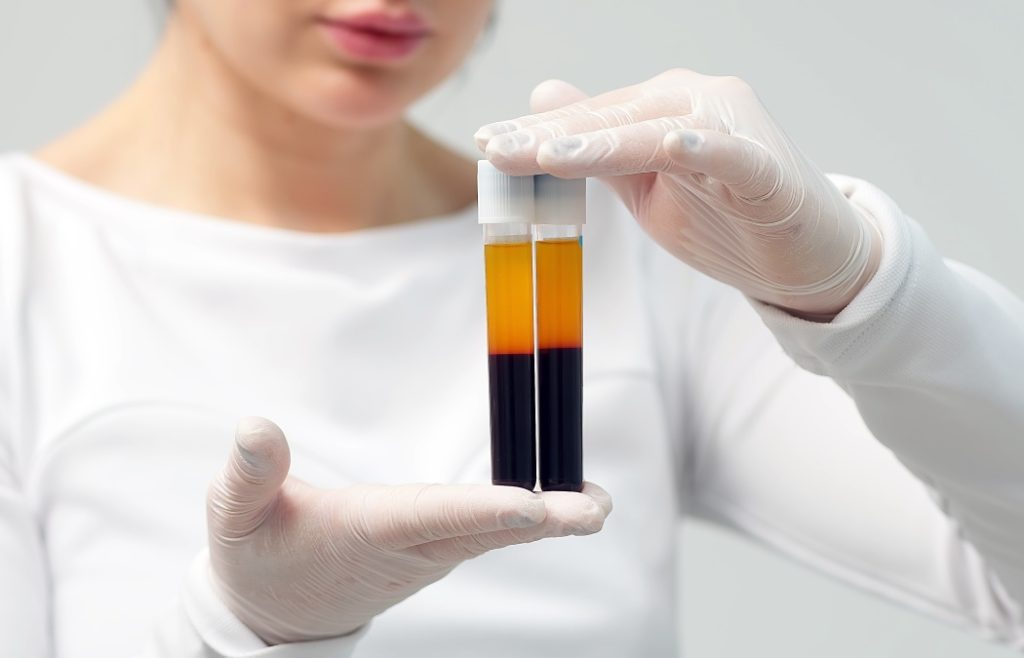
PRP uses a patient’s own blood, spun in a centrifuge to concentrate platelets and growth factors. This enriched plasma is then injected into the affected area to promote healing.
Benefits:
- Accelerated Healing: Growth factors stimulate tissue repair and new blood vessel formation.
- Natural & Safe: Since PRP is derived from your own blood, there is minimal risk of allergic reaction or rejection.
- Reduced Inflammation: PRP injections modulate inflammatory pathways and support long-term recovery.
- Versatile Application: Effective for muscle strains, tendon inflammation, and ligament injuries surrounding the piriformis.
- Repeatable Therapy: Can be administered as needed for ongoing maintenance.
- Enhanced Pain Relief: By addressing microtears and degeneration, PRP alleviates pain at its source.
3. Autologous Conditioned Serum (ACS)
Also marketed as Regenokine or Orthokine, ACS is derived from the patient’s blood and incubated to enhance anti-inflammatory proteins like IL-1 receptor antagonist. It is then reinjected into the affected area.
Benefits:
- Targeted Inflammation Control: Specifically blocks interleukin-1 (IL-1), a major contributor to chronic pain and inflammation.
- Non-Steroidal Solution: Unlike corticosteroids, ACS offers a regenerative, biologic approach without tissue degradation.
- Custom Therapy: Tailored to the patient’s own biochemistry, reducing side effects.
- Rapid Symptom Relief: Often leads to noticeable improvement within days of injection.
- Proven Track Record: Used extensively in Europe and by elite athletes for musculoskeletal and joint issues.
- Prolonged Anti-inflammatory Effect: Helps reset inflammatory cascades rather than masking symptoms.
Why Choose Our Clinic in Los Angeles?
Dr. Nourparvar’s Background:
- Medical Degree from New York College of Osteopathic Medicine
- UCLA Graduate
- Trained at prestigious institutions: UCLA, UC Irvine, Mount Sinai, NYU, Children’s Hospital Los Angeles (CHLA)
- Specialized in: Pain Management, Non-Surgical Orthopedics, Musculoskeletal and PMR Medicine
Advanced Expertise:
- Qualified Medical Evaluator (QME) for work injuries
- Over 10 years of experience in regenerative medicine
- Training in Fat Harvesting, Bone Marrow Aspiration, and Umbilical Cord Stem Cell therapies
- Expertise in Ultrasound- and X-ray-guided precision injections
Cutting-Edge Diagnostic Technology:
We use the latest ultrasound technology, offering:
- Two simultaneous ultrasound views
- Needle Enhancement: Better visualization in tight spaces
- Integrated AI for faster, more accurate diagnosis
- Handheld Portability: Point-of-care access at bedside
Comprehensive Evaluations:
Unlike conventional practices that rely heavily on imaging, Dr. Nourparvar performs hands-on osteopathic and musculoskeletal evaluations during each visit to pinpoint the true source of pain. This approach helps:
- Identify overlooked causes
- Avoid unnecessary surgeries
- Deliver personalized, effective care
Elite and Multilingual Care:
- Treated NBA, NFL, and Olympic athletes
- Provided care to celebrities and artists
- Fluent in four languages, enhancing communication across diverse populations
Conclusion
Piriformis syndrome doesn’t have to be a life sentence of pain or surgery. Regenerative treatments like Stem Cell Therapy, PRP, and Autologous Conditioned Serum (Regenokine/Orthokine) offer natural, minimally invasive solutions to restore function and improve quality of life.
With over a decade of experience and training at the nation’s leading PMR and orthopedic institutions, Dr. Nourparvar offers an unparalleled approach to non-surgical care. If you’re struggling with piriformis syndrome or similar musculoskeletal conditions, contact our Los Angeles clinic to schedule a consultation today.
📞 Call us today at (310) 361-5480 to book your appointment or click here to schedule a consultation.
*Trademark Disclaimer
Stem Cell & PRP Institute of L.A. and Dr. Nourparvar are not affiliated with, endorsed by, or sponsored by Orthogen AG, Regenokine®, or Orthokine®.
Regenokine® and Orthokine® are registered trademarks of Orthogen AG. Any references to these therapies on our website are for informational purposes only and do not imply any partnership, ownership, or official association with the trademark holders.
Our clinic offers regenerative medicine treatments that may be similar in concept, such as autologous serum or cytokine-based therapies, but we do not claim to offer Regenokine® or Orthokine® specifically.
Medically reviewed by Padra Nourparvar, DO on
Posted on behalf of
Cedars Sinai Medical Office Towers
8631 West 3rd Street, #545E
Los Angeles, CA 90048
Phone: (310) 361-5480
Mon – Thu: 8:30am – 6:00pm
Friday: 8:30am – 4:30pm