Avoiding Surgery with Regenerative Medicine for LCL & MCL Tears
Understanding Lateral and Medial Collateral Ligament (LCL/MCL) Injuries
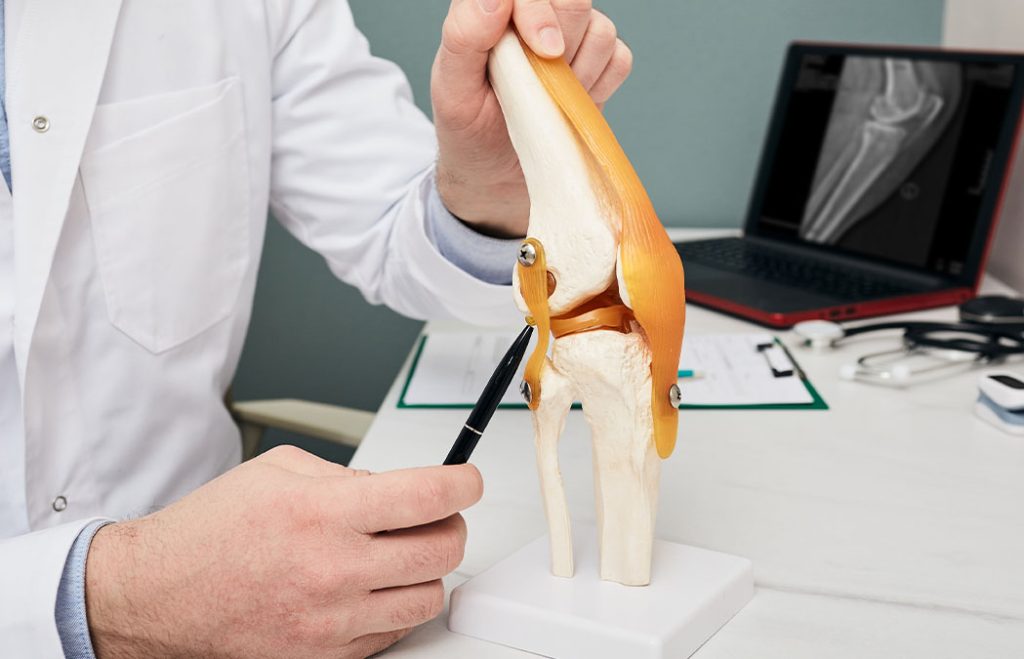
The knee is one of the most utilized and complex joints in the body, stabilized by a network of ligaments. Two of the most commonly injured are the medial collateral ligament (MCL) and the lateral collateral ligament (LCL). These ligaments provide side-to-side stability and are critical in supporting the knee during movement and weight-bearing.
What are MCL and LCL Tears?
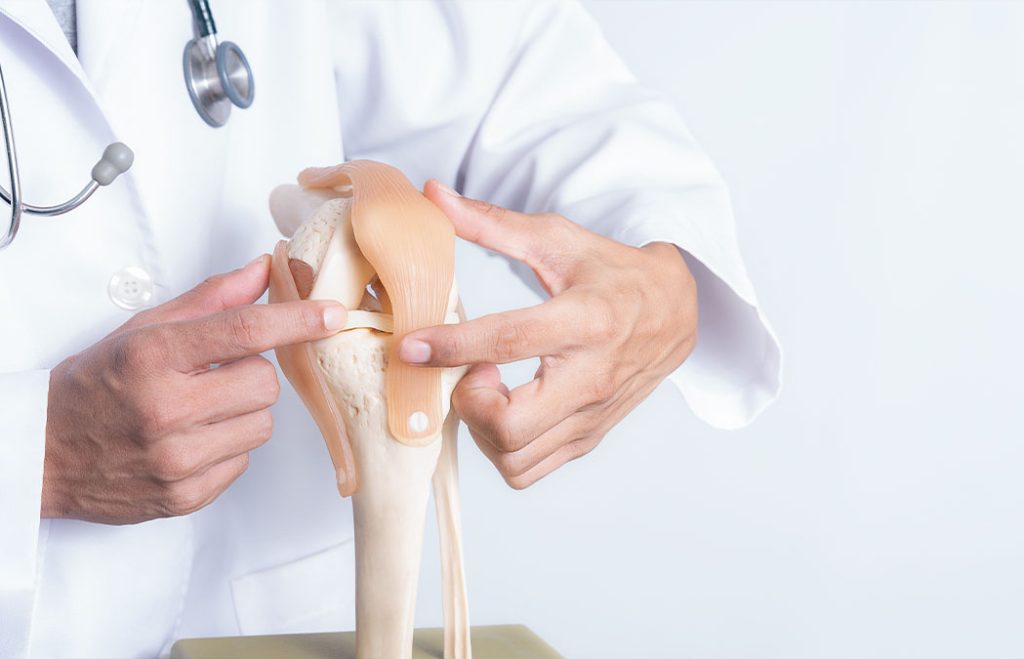
The MCL runs along the inner aspect of the knee and resists forces that are pushing the knee inward. This ligament is usually injured more than the LCL, especially in contact sports or activities as they require some twisting movements.
The LCL is a lateral ligament. It prevents the knee from buckling outward. LCL injuries commonly occur from a direct blow to the inside of the knee.
Common Symptoms of an MCL or LCL Tear
- Pain along the inside (MCL) or outside (LCL) of the knee
- Swelling and stiffness
- Instability or feeling that the knee may give out
- Bruising around the affected site
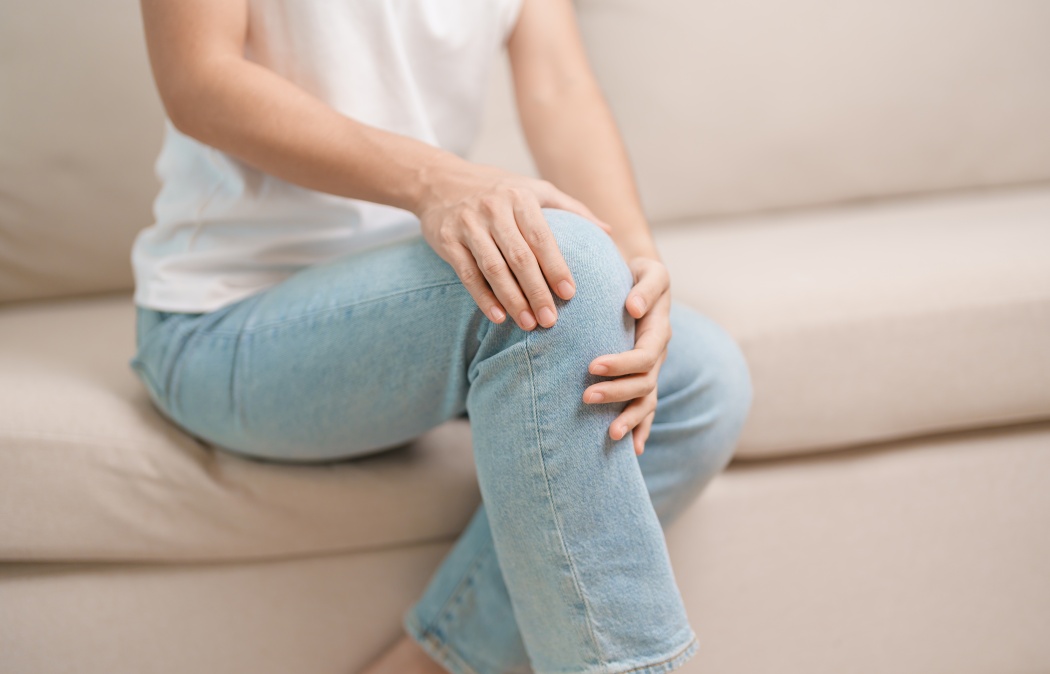
- Difficulty walking or bending the knee
According to the American Academy of Orthopaedic Surgeons (AAOS), MCL injuries account for approximately 24% of all knee ligament injuries, while LCL injuries are less common but often more severe when they occur in combination with other ligament damage.
Conventional Treatment Options
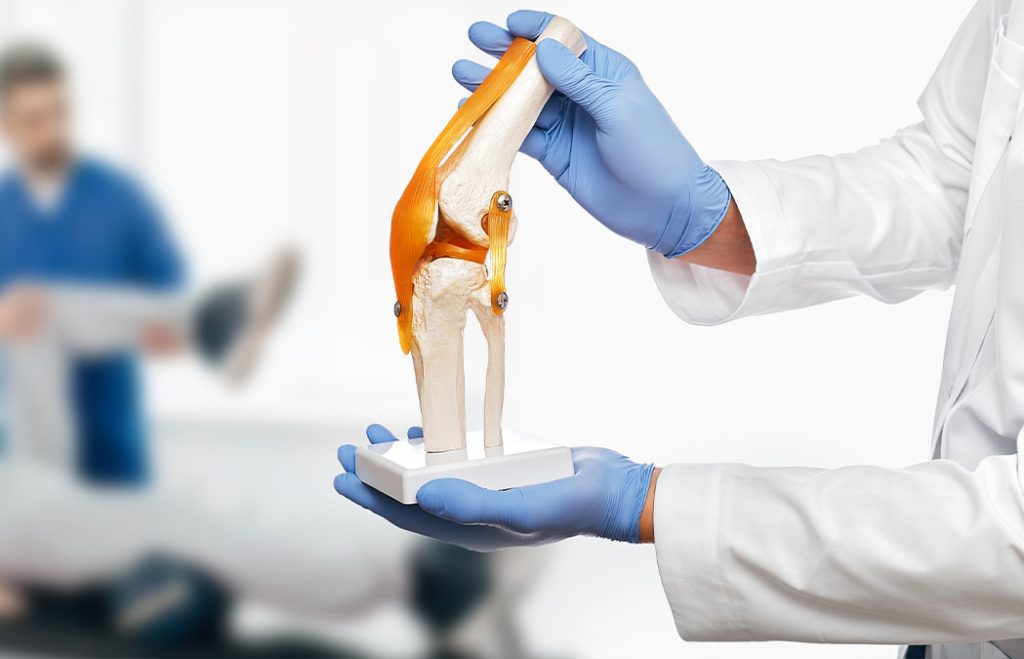
The treatment course of MCL and LCL tears depends on the severity of each case:
- Grade I (Mild): Rest, Ice, Compression, Elevation (RICE), physical therapy
- Grade II (Moderate): Bracing and rehabilitation, sometimes corticosteroids injections
- Grade III (Severe or Complete Tear): May require surgical repair, especially in LCL injuries or when multiple ligaments are involved
Although conservative treatment is good for minor injuries, surgical treatment for ligament tears can result in complications like infection, long downtime, scar tissue accumulation, and incomplete healing.
Cutting-Edge Regenerative Treatment: Stem Cell, PRP, and Autologous Conditioned Serum Injections
Modern regenerative therapies offer powerful alternatives to surgery for ligament injuries. These include:
- Platelet-Rich Plasma (PRP)
PRP comes from the blood of the patient. Upon processing, the plasma will have concentrated levels of growth factors and cytokines that help in healing and tissue regeneration.
Benefits for LCL/MCL Tears:
Basically stimulates the body to heal itself, reduces pain and inflammation, leads to faster recovery when combined with physical therapy, and is particularly effective in partial tears and chronic ligament strains
- Stem Cell Therapy
Stem cells are powerful, undifferentiated cells capable of regenerating damaged tissues. At our clinic, we use:
- Fat-derived stem cells (Nano-fat, Stromal Vascular Fraction)
- Bone marrow aspiration-derived stem cells
- Umbilical cord-derived mesenchymal stem cells
How They Work:
Stem cells not only hone in on damaged tissue but they differentiate into ligament cells and promote collagen remodeling. They also release anti-inflammatory molecules and growth factors to the affected area.
- Autologous Conditioned Serum (ACS)
Also known as *Regenokine or *Orthokine. ACS is prepared by drawing blood from the patient and incubating it for several hours. This leads to the production of anti-inflammatory proteins, principally interleukin-1 receptor antagonists (IL-1Ra).
Benefits:
- Powerfully reduces inflammation
- Helps relieve pain and promote tissue healing
- Is used frequently for injuries sustained by elite-level athletes
Why Choose Our Clinic for Regenerative Treatment?
Our regenerative medicine program is led by Dr. Nourparvar, a UCLA graduate with a medical degree from New York College of Osteopathic Medicine. With over 10 years of experience performing regenerative treatments, he provides unique, non-invasive orthopedic and PM&R (Physical Medicine and Rehabilitation) expertise.
Dr. Nourparvar Specializes In:
- Pain management
- Ultrasound- and X-ray-guided joint and tendon injections
- Evaluation and diagnosis by comprehensive musculoskeletal and osteopathic hands-on examination, not solely dependent on imaging
- The reduction of unnecessary operations and procedures
New Stem Cell & Injection Delivery Technologies:
- Intravenous, Intrathecal, Intranasal, Intratympanic delivery
- New Ultrasound Innovations:
- Needle enhancement, AI guidance, Biplane Imaging for precise injections
- Ultrasound, Handheld/portable devices for bedside diagnosis
Dr. Nourparvar is also a Qualified Medical Evaluator (QME) for work-related injuries, providing expert evaluations and treatments.
Frequently Asked Questions (FAQ)
-
Yes. For many patients, particularly those with partial or moderate ligament injuries, regenerative injections like PRP, stem cells, and ACS can significantly improve healing, stability, and pain, often eliminating the need for surgery.
-
Injections are guided using advanced ultrasound or fluoroscopy (X-ray), ensuring pinpoint accuracy to the injured ligament. This improves safety and outcomes.
-
Discomfort is minimal and usually resolves within a day. Dr. Nourparvar uses precise, minimally invasive techniques.
-
Yes. These are autologous or ethically sourced biological treatments with an extremely low risk for adverse effects.
-
Many athletes return to full activity post-regenerative treatment, often faster than surgical routes.
Schedule a Consultation Today
If you’re suffering from a lateral or medial collateral ligament injury and want to explore cutting-edge, non-surgical options, contact Dr. Nourparvar’s clinic in Los Angeles, California. We specialize in regenerative solutions tailored to your condition, offering a path to healing and recovery without the risks of surgery.
Experience personalized care with leading expertise and new technology.
📞 Call us today at (310) 361-5480 to book your appointment or click here to schedule a consultation.
*Trademark Disclaimer
Stem Cell & PRP Institute of L.A. and Dr. Nourparvar are not affiliated with, endorsed by, or sponsored by Orthogen AG, Regenokine®, or Orthokine®.
Regenokine® and Orthokine® are registered trademarks of Orthogen AG. Any references to these therapies on our website are for informational purposes only and do not imply any partnership, ownership, or official association with the trademark holders.
Our clinic offers regenerative medicine treatments that may be similar in concept, such as autologous serum or cytokine-based therapies, but we do not claim to offer Regenokine® or Orthokine® specifically.
Medically reviewed by Padra Nourparvar, DO on
Posted on behalf of
Cedars Sinai Medical Office Towers
8631 West 3rd Street, #545E
Los Angeles, CA 90048
Phone: (310) 361-5480
Mon – Thu: 8:30am – 6:00pm
Friday: 8:30am – 4:30pm